There are creatures in folklore that look completely unlike humans. And then some legends become unsettling precisely because they resemble us. The Nasnas belongs to the second category. Described in medieval Arabic literature as a strange, incomplete, human-like creature, the Nasnas became one of the more unusual beings to appear in traditions about the wonders and mysteries of distant lands.
Also Read: The Enchanting Legend of the White Snake
Are they real creatures? Or was it a story created from tales, imagination, and the medieval fascination with unexplored parts of the world? The answer remains buried somewhere between folklore and history.
What is Nasnas?
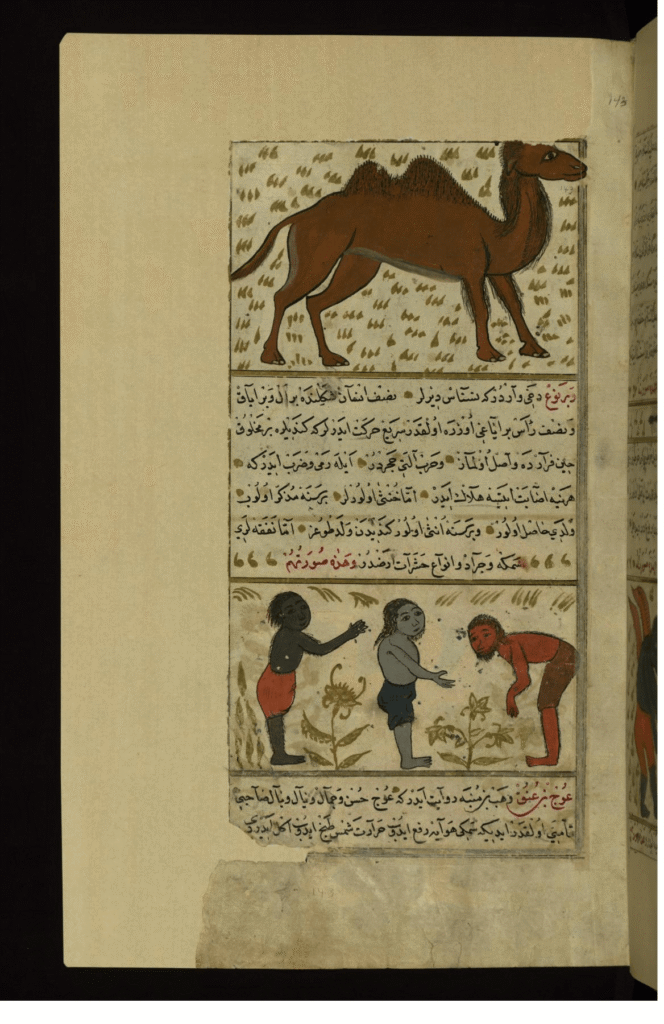
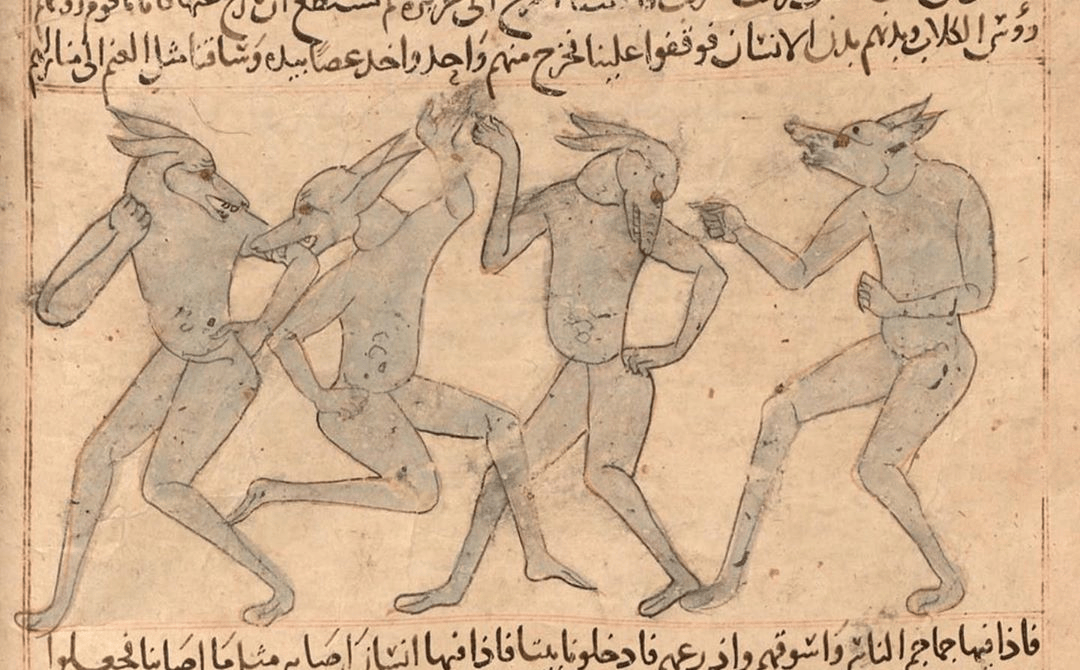
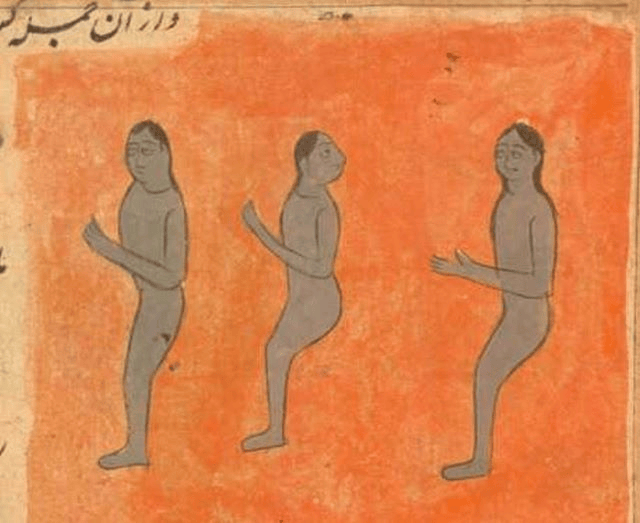
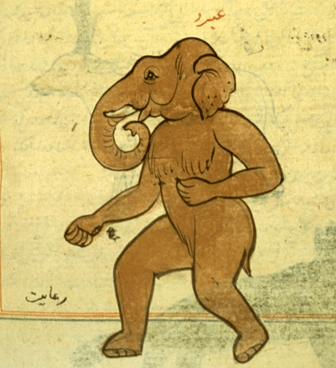
The Nasnas (النِّصْنِص) is a legendary creature appearing in Arabic folklore and medieval literature. Descriptions differ between sources. But the creature is commonly portrayed as being partly human and physically incomplete, with some accounts describing it as having only part of a normal human form. Its very name is associated with the idea of something being “half” or divided.
Source: The Legend of the Nasnas (Half-Human Monster)
This Creature is primarily a figure of Arabic folklore and medieval wonder literature. Writers of the medieval Islamic world recorded numerous accounts of unusual animals, peoples, monsters, and supernatural beings, particularly in works concerned with geography and the marvels of creation. The Nasnas found its place among them.
The Medieval Wonders
Medieval scholars and travelers lived in an age when vast portions of the world were poorly understood by people living far from them. Reports from distant deserts, islands, mountains, and unfamiliar kingdoms could take on extraordinary qualities as they traveled from one storyteller to another. Books describing “wonders” or marvels became popular forms of literature. They contained descriptions of unusual animals, strange peoples, distant lands, enormous creatures, and phenomena that seemed impossible. Not every writer necessarily presented these stories as fact. The Nasnas emerged within this fascinating literary environment.
Source: Nasnas; The Halved Demon
An Almost Human Creature
What makes this creature particularly memorable is its connection to the human form. Rather than being imagined simply as a monstrous animal, it was described in ways that made it resemble a distorted or incomplete person. Different accounts vary, and later retellings often changed the creature’s appearance. This uncertainty is important. There isn’t one universally consistent medieval description of the Nasnas. Instead, the legend evolved through different texts and traditions.
The Mystery Behind the Legend
During medieval times, there was a fascination with what existed beyond the known world. Maps contained blank spaces. Distant regions were difficult to reach. Information traveled slowly. The unknown created room for imagination. A strange creature living somewhere beyond familiar lands fit perfectly into this world of mystery. Medieval writers frequently preserved extraordinary stories because they were remarkable, entertaining, or considered worthy of recording. The purpose was not necessarily to prove that every creature existed.
Today, a story about a half-human creature might immediately be classified as fantasy. For medieval audiences, however, the boundary between documented knowledge, folklore, and unexplored nature was much less rigid. Over time, the Nasnas became increasingly detached from the original literary environment in which such stories were recorded.
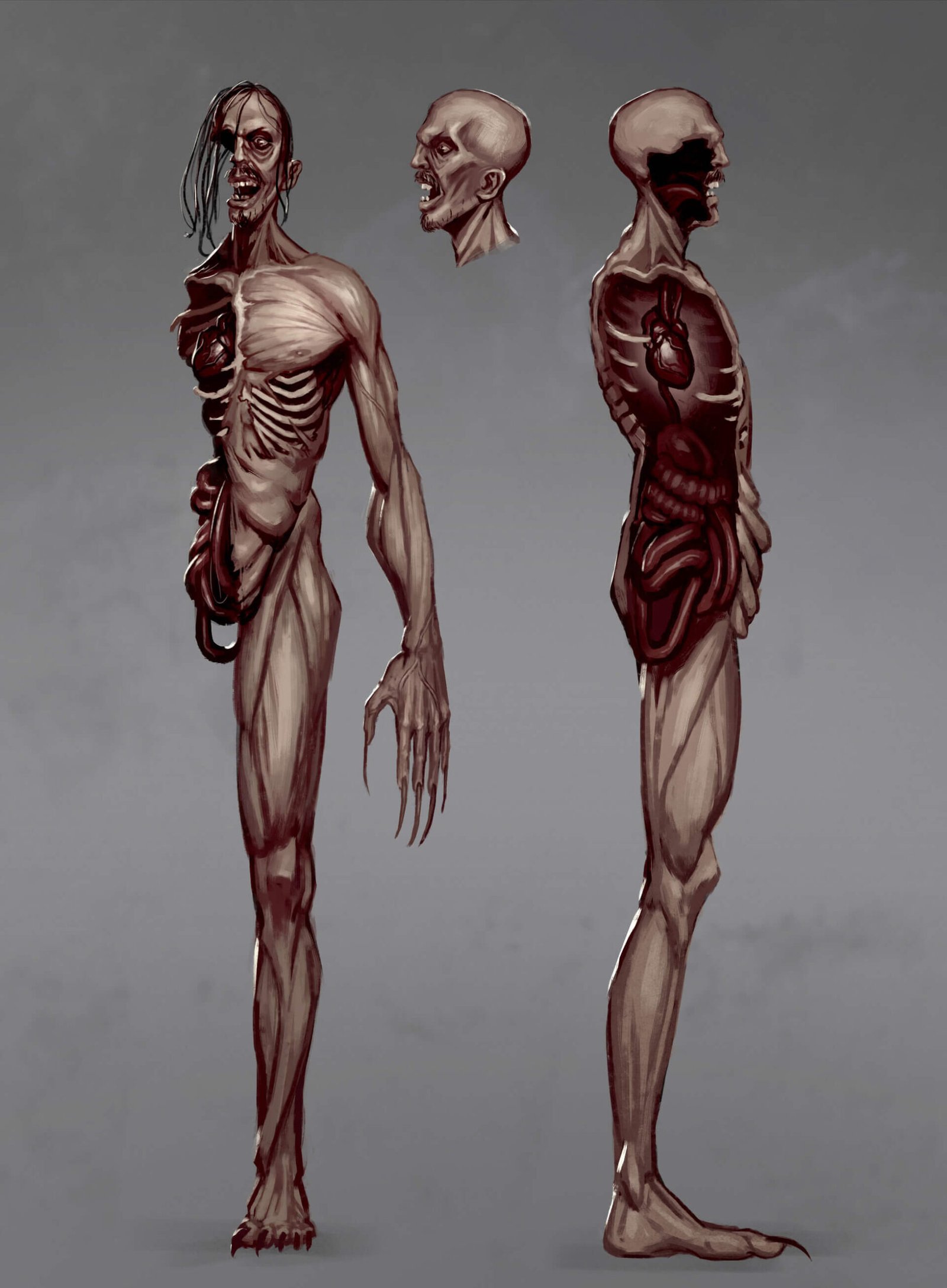
Illustrations and internet articles have also created new versions of its appearance. The Nasnas is best understood as a legendary creature of Arabic folklore and medieval wonder literature, rather than a creature established by Islamic scripture. The legend offers a fascinating glimpse into how medieval societies understood distant lands, strange encounters, and the limits of human knowledge. Perhaps that is the real mystery of the Nasnas, not whether it was ever found but why people kept telling its story.
Also Read: Kiyohime: The Dark Japanese Legend