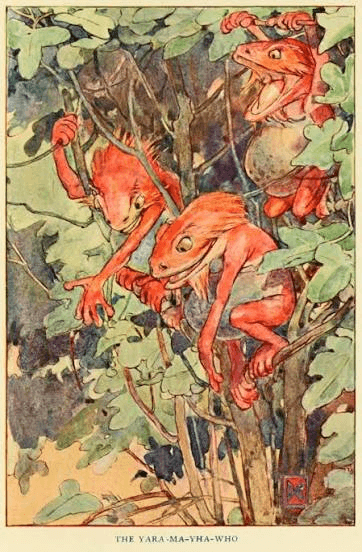
Australian folklore is filled with mysterious beings closely tied to the landscape, and among the strangest is the Yara-ma-yha-who. The small, red, frog-like creature comes from Australian Aboriginal folklore and is known for its enormous mouth, unusual appearance, and sucker-like fingers and toes.
Unlike many legendary creatures, the Yara-ma-yha-who is not simply a monster to fear. Its story is closely connected with the Australian bush, where danger could be hidden in seemingly ordinary places. Tales of the creature carry a sense of caution and mystery, while its bizarre appearance and strange behaviour have made it one of the most memorable figures in Australian folklore.
Also Read: Nasnas: The Half-Human Creature of Arabian Folklore
What Does the Yara-Ma-Yha-Who Look Like?
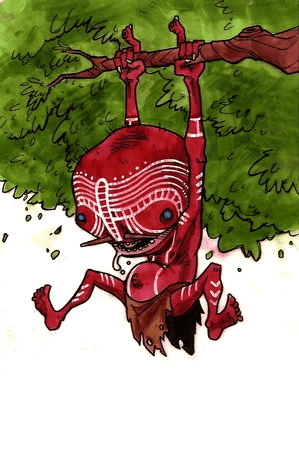
Descriptions of the Yara-Ma-Yha-Who make it one of the more bizarre creatures in Australian folklore. It is generally portrayed as a small, red or reddish-skinned humanoid with a large head and an unusually wide mouth. Despite its intimidating feeding habits, it has no teeth. Instead, its most distinctive feature is found on its hands and feet. It has sucker-like fingers and toes that it uses to attach itself to its victims and draw blood.
Its association with trees is equally important. The creature is said to hide in the branches of wild and thick fig trees, where it can remain unnoticed until someone approaches. The creature is therefore frightening not because it chases its victims across the landscape, but because it waits.
The Yara-Ma-Yha-Who and the Fig Tree
According to the traditional story, a traveller who becomes tired may choose to rest beneath a large fig tree. Unbeknownst to them, a Yara-Ma-Yha-Who could already be watching from above. The creature drops down onto the unsuspecting person and attaches its hands and feet to them. Its unusual cup-like suckers are then used to draw blood. Once it has weakened its victim, the creature swallows the person whole.
But this is where the tale takes an especially strange turn.
The Yara-Ma-Yha-Who does not simply consume its victim and disappear. After swallowing the person, it goes to drink water and eventually falls asleep. When it wakes, it regurgitates the victim, who is somehow still alive. Yet the person is no longer quite the same. The victim is said to emerge shorter and with a noticeably reddish appearance. If the same person is captured and swallowed repeatedly, these changes become more pronounced. Eventually, the transformation reaches its final stage, and the victim becomes a Yara-Ma-Yha-Who themselves. It creates a disturbing cycle in which the victim eventually becomes part of the very creature they once feared.
Source: Yara Ma Yha Who
A Monster That Was Meant to Teach a Lesson
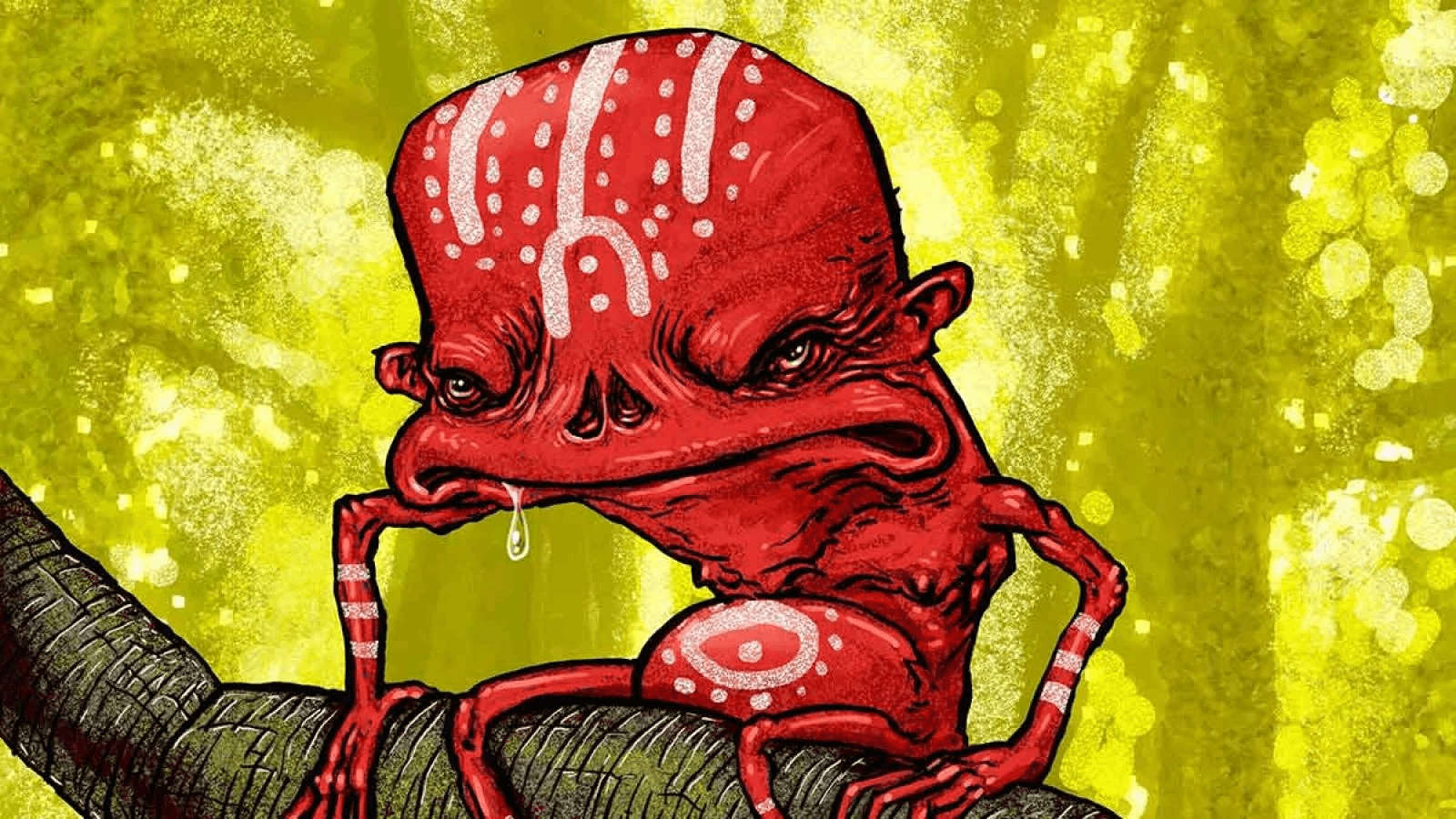
It is easy to describe the Yara-Ma-Yha-Who simply as an Australian vampire, particularly because of its blood-drinking habits. However, reducing the creature to a “vampire” misses much of what makes the story significant. Recorded accounts indicate that the creature’s story functioned partly as a cautionary tale, particularly for children. The Australian bush could be dangerous, and stories about supernatural beings offered a memorable way of teaching children not to wander too far from their communities or place themselves in unsafe situations.
The Yara-Ma-Yha-Who was therefore not simply something to fear. Its story carried practical knowledge about the environment. This aspect of the legend has been highlighted by scholars and folklore commentators who have examined the creature within the broader relationship between Aboriginal communities, the Australian landscape and traditional knowledge.
The Strange Way to Escape
One of the most unusual details in the legend is the suggested method of escaping the creature. After being attacked and regurgitated, the victim is supposed to remain still and pretend to be dead rather than immediately attempting to run away. The detail makes the story particularly eerie because survival does not depend on overpowering the monster. Instead, the victim has to remain patient and understand the creature’s behaviour. That fits the wider character of the Yara-Ma-Yha-Who. It is not portrayed as a roaring beast that charges through the forest. It waits quietly, chooses its moment and relies on the carelessness of its victim.
David Unaipon and the Recorded Legend
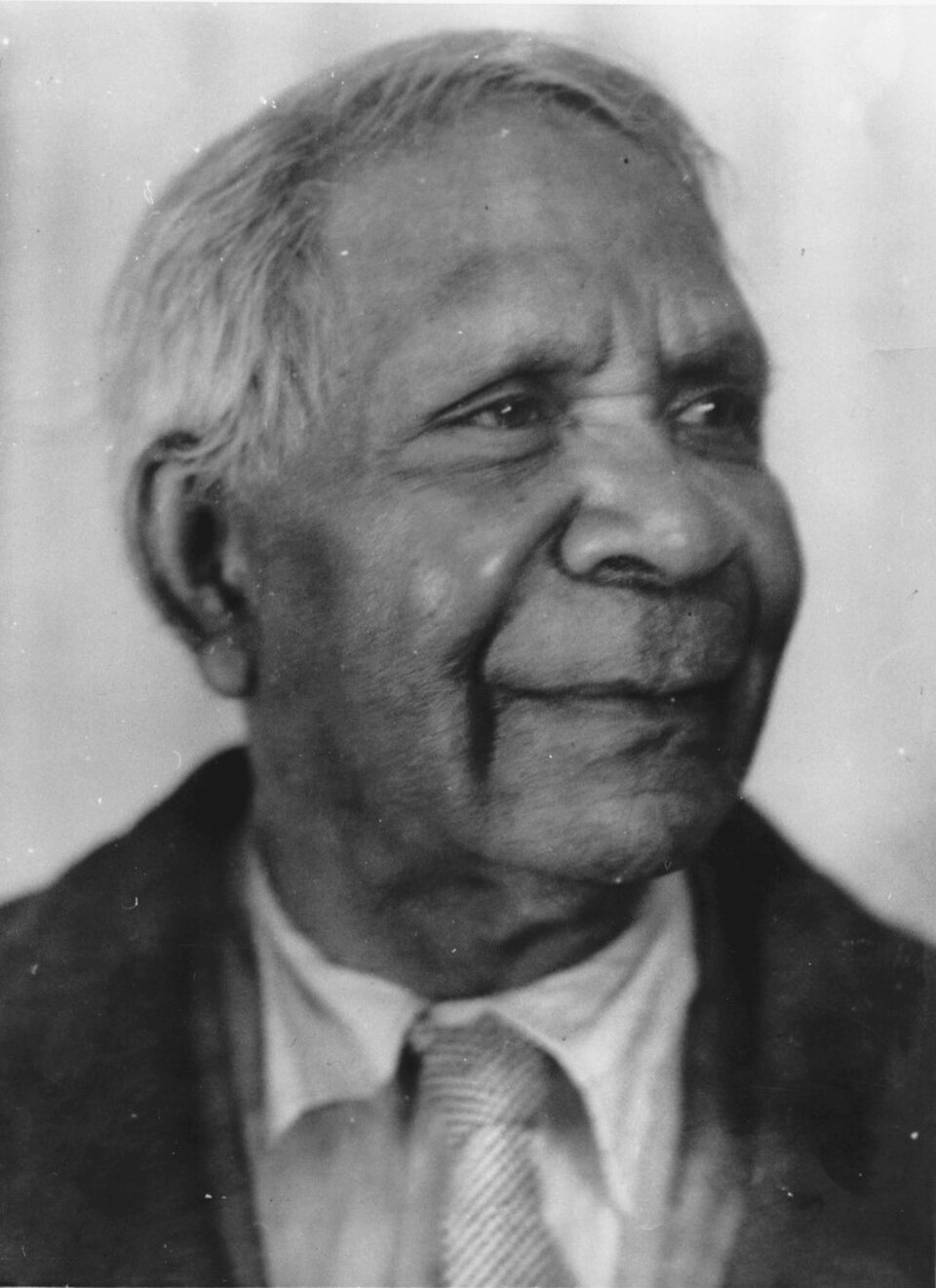
Much of what is known about the Yara-Ma-Yha-Who in modern written sources is connected with Aboriginal Australian writer, inventor, and activist David Unaipon. He recorded Aboriginal folklore in the early twentieth century, travelling across southern and central Australia. It helped preserve stories that had traditionally been passed down orally. His accounts included the Yara-Ma-Yha-Who and other supernatural beings.
The stories in the book Legendary Tales of the Australian Aborigines, written by Unaipon David, record the myths and legends of his own Ngarrindjeri people along with other parts of Australia. The manually transcribed stories converted into a formal English manuscript helped non-indigenous people understand and respect his culture.
Source: Reading Australia: ‘Legendary Tales of the Australian Aborigines’ by David Unaipon
The Yara-Ma-Yha-Who has occasionally been compared with vampires because of its unusual method of feeding. Yet it differs dramatically from the familiar image of a vampire. There is no castle, coffin or elegant immortal figure. Instead, there is a small red creature hiding in a fig tree in the Australian bush. Its story is also built around transformation rather than simple death. The victim survives the encounter, but repeated attacks gradually turn them into the creature itself. The result is a folklore cycle that is both frightening and strangely tragic.
Perhaps the most memorable feature of the Yara-Ma-Yha-Who is precisely this contradiction. It looks almost absurd: small, toothless and frog-like. Yet the story surrounding it is deeply unsettling. The Yara-Ma-Yha-Who remains one of the most unusual figures in Australian Aboriginal folklore. A creature whose bizarre appearance and disturbing behaviour have helped preserve its place in stories about the Australian bush, caution, community and the unseen beings believed to inhabit the landscape.