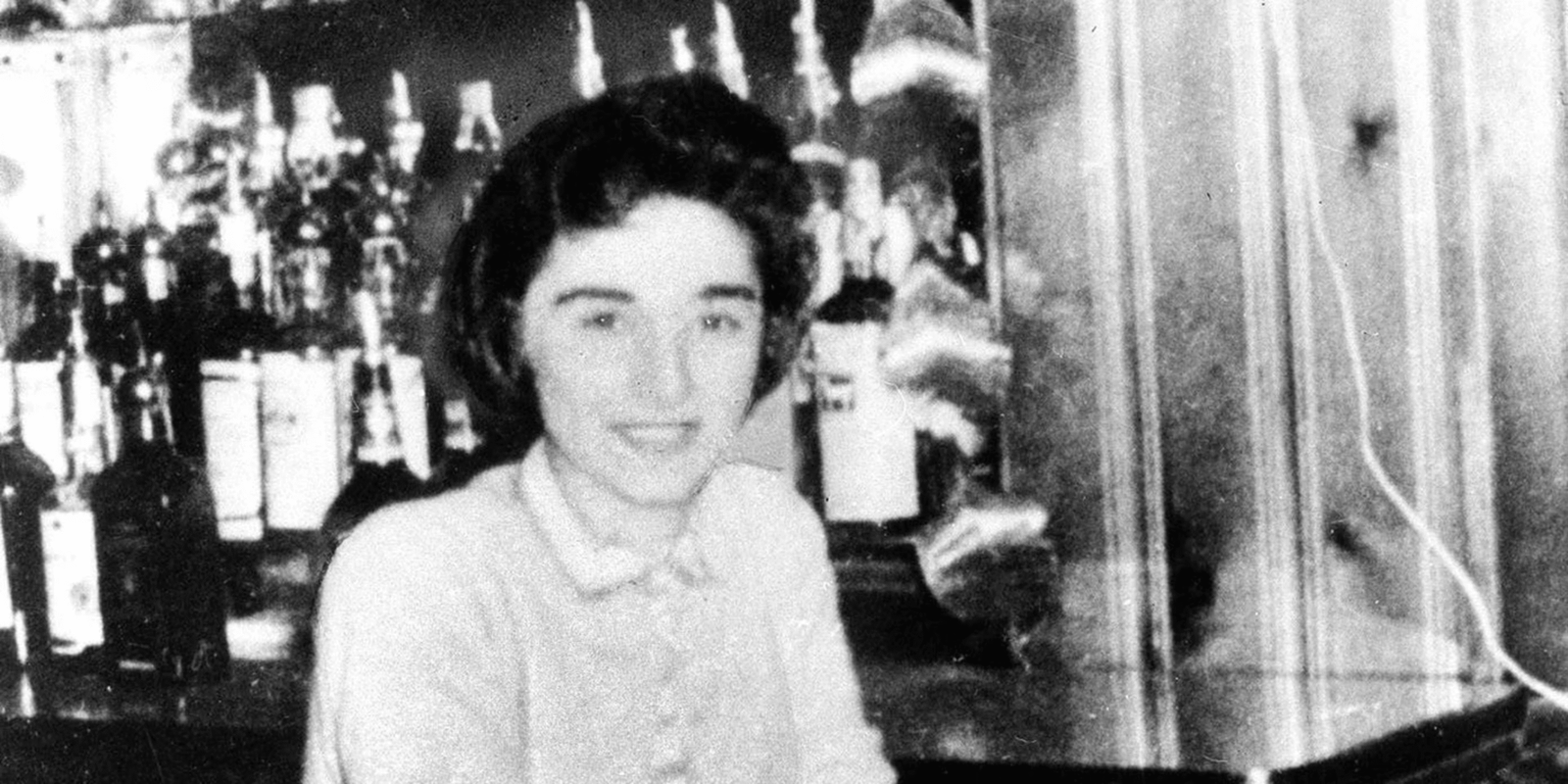
On March 13, 1964, Catherine “Kitty” Genovese was returning home from work in the early hours of the morning. She was walking through Kew Gardens, Queens, when a stranger near her apartment building brutally attacked her.
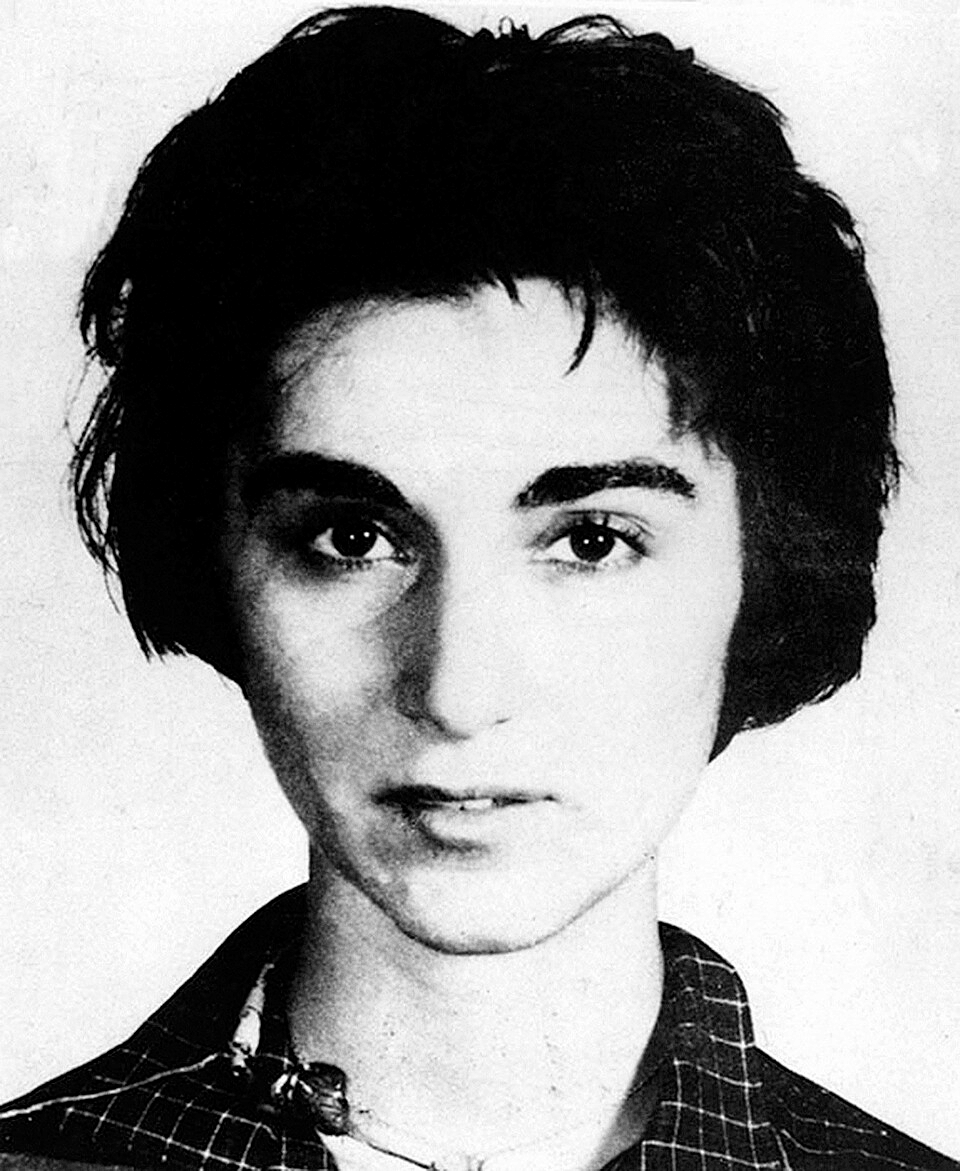
The murder shocked New York, but the case soon became known for something beyond the crime itself. A widely circulated account claimed that dozens of neighbours had witnessed the attack without coming to Genovese’s aid. The story eventually became closely connected with the psychological concept known as the bystander effect.
Also Read: Yorkshire Ripper: How Peter Sutcliffe Was Caught
Who Was Kitty Genovese?
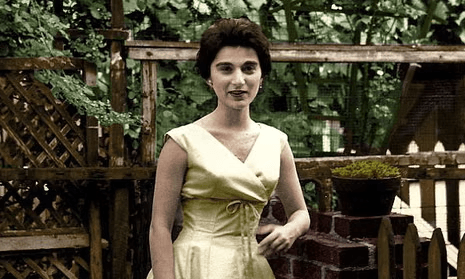
Kitty Genovese was born in Brooklyn, New York City, in 1935 and was the eldest among her siblings. She worked as a bar manager and lived with her girlfriend, Mary Ann Zielonko, in Kew Gardens, Queens. Friends and relatives remembered her as sociable, independent and hardworking. At the time of the attack, she was 28 years old.
The Attack
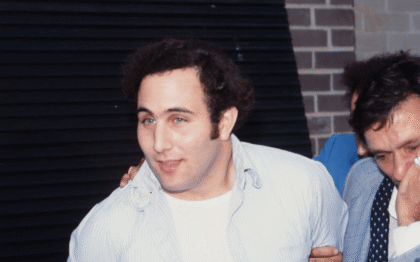
In the early hours of March 13, at around 3:15 a.m., Genovese was returning home after finishing work. Unknown to her, Winston Moseley, a 29-year-old man, had noticed her and followed her. Moseley attacked Genovese with a knife as she walked toward her apartment. After she cried out, one of the neighbours reportedly shouted: “Let that girl alone”. He initially fled after realising his actions had been noticed. He later returned and attacked her again.
Genovese managed to move toward the rear entrance of her apartment building. Moseley followed her there, where he stabbed her for a final time, before sexually assaulting her and stealing money from her purse. Genovese suffered severe injuries and died on the way to the hospital before she could receive medical treatment.
Source: How the 1964 Kitty Genovese Murder Spotlighted the Bystander Effect
The Search for Her Killer
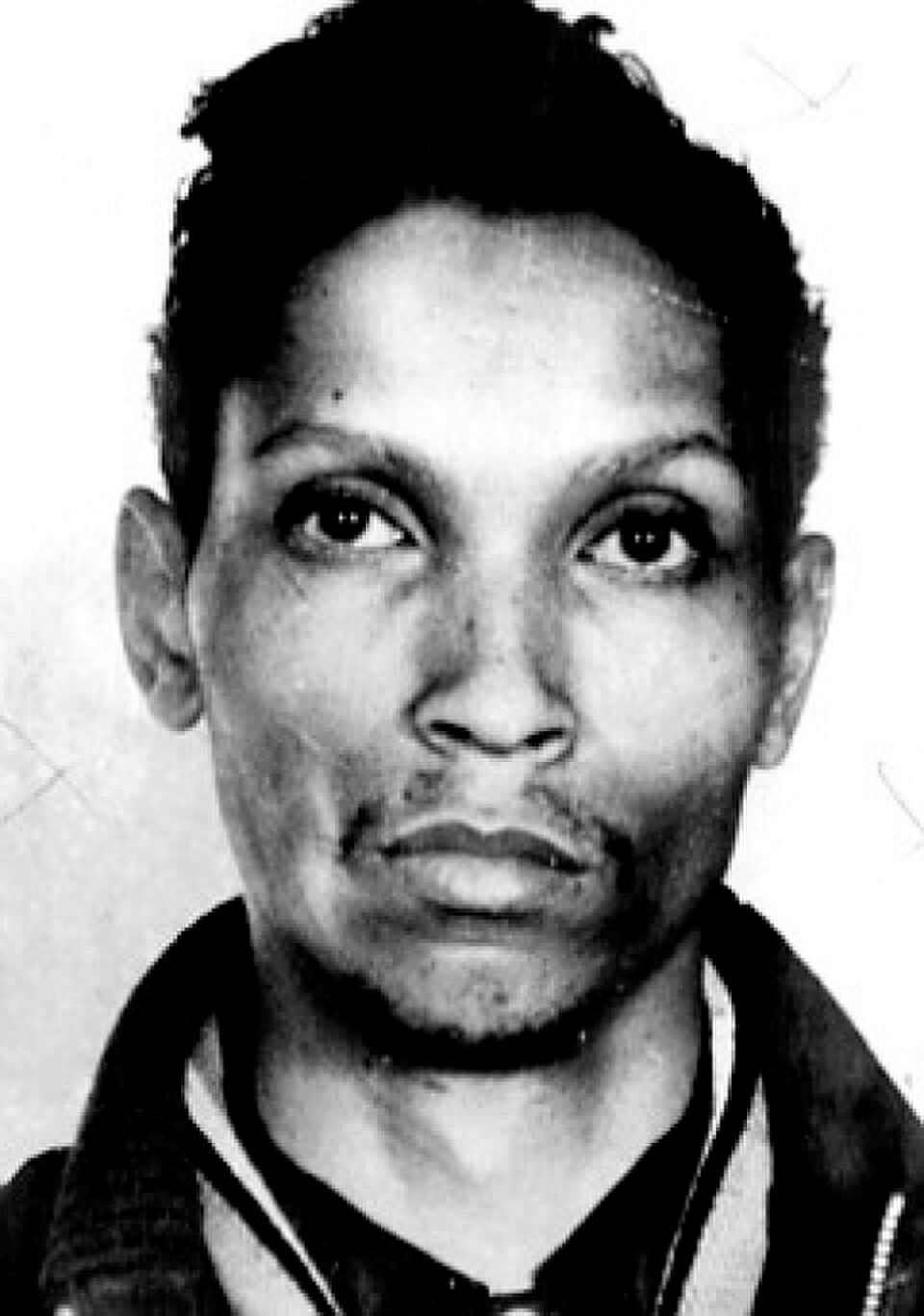
The investigation continued for several days before Moseley was arrested on an unrelated burglary charge. During questioning, he confessed to Genovese’s murder. He also admitted to other crimes, including attacks on women in the area. His confession provided investigators with a detailed account of the crime and connected him directly to Genovese’s death. Moseley was convicted of murder and sentenced to death. His sentence was later reduced to life imprisonment after an appeal raised concerns about the way his psychiatric evidence had been handled. Moseley remained in prison until he died in 2016.
The Famous “38 Witnesses” Story
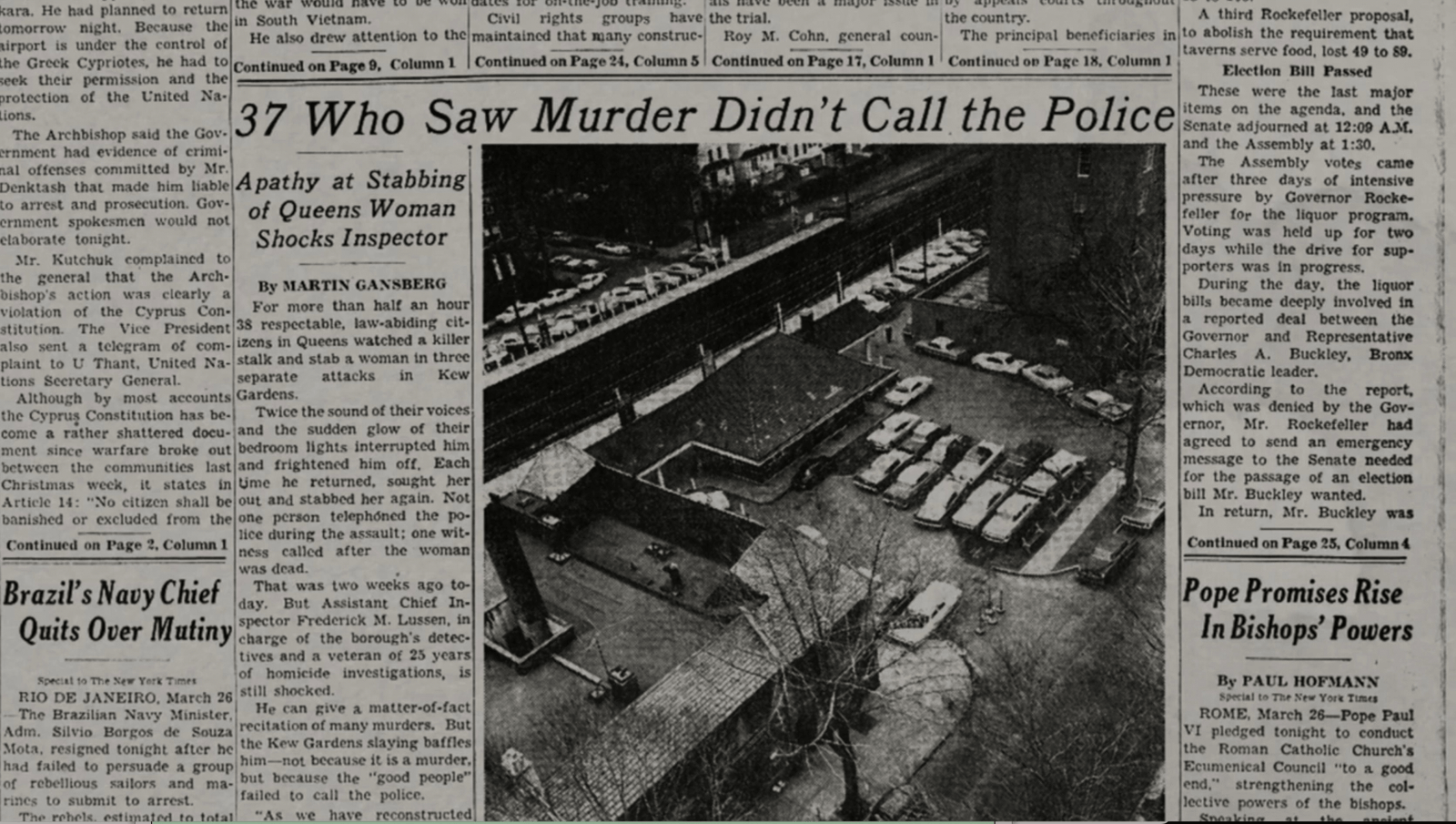
The Genovese case received enormous attention after The New York Times published an article approximately two weeks after the incident. The report stated that 38 people had witnessed events surrounding Genovese’s murder, and neighbors who had supposedly seen or heard the attack but failed to contact police. The story quickly became a powerful illustration of alleged urban indifference, suggesting that a large number of people had been aware that a woman was in danger yet failed to intervene.
However, later examinations of police records, trial material and other historical evidence found that the commonly repeated version was not an accurate representation of what happened. Researchers found no evidence that 38 people had watched the entire murder, and the layout of the buildings and locations where the attacks occurred meant that many people could only have heard or seen fragments of what was happening.
The number of people who actually witnessed portions of the attacks was considerably smaller, according to the reports. There were also indications that some people did attempt to respond. One neighbour, for example, shouted from a window, frightening Moseley away temporarily, while others contacted people who could summon assistance. Genovese was also comforted by her friend Sophia Farrar after the attack. The original account nevertheless had a lasting impact. Over time, the “38 witnesses” version became much more widely known than the complicated reality of the case.
Source: Kitty Genovese
The Bystander Effect
The Kitty Genovese case became closely associated with the bystander effect, a psychological phenomenon describing how the presence of other people can sometimes influence an individual’s decision to help during an emergency. Psychologists John Darley and Bibb Latané became interested in the case and began conducting experiments on helping behaviour. Their research suggested that people can be less likely to intervene when they believe other people are also present. One important explanation is diffusion of responsibility. When several people are present, each individual may assume that someone else will take responsibility for helping.
Importantly, the existence of the bystander effect does not depend on the accuracy of the famous 38-witness story. The psychological research conducted by Darley and Latané involved controlled experiments designed to examine helping behaviour, rather than simply proving what happened on the night Genovese was murdered. Later research has also shown that the effect is more complicated than the simple idea that “more witnesses means less help.”
Source: bystander effect
Why the Case Became So Important
The Kitty Genovese case became more than a murder investigation. It entered discussions about morality, urban life, journalism and human psychology. Today, Genovese’s name is still frequently mentioned in discussions of the bystander effect. Yet the case is best understood by separating two things: the actual murder and the later story surrounding it. The case also helped fuel discussions that contributed to the introduction of 911 in 1968.
Also Read: The Springfield Three Disappearance (1992)