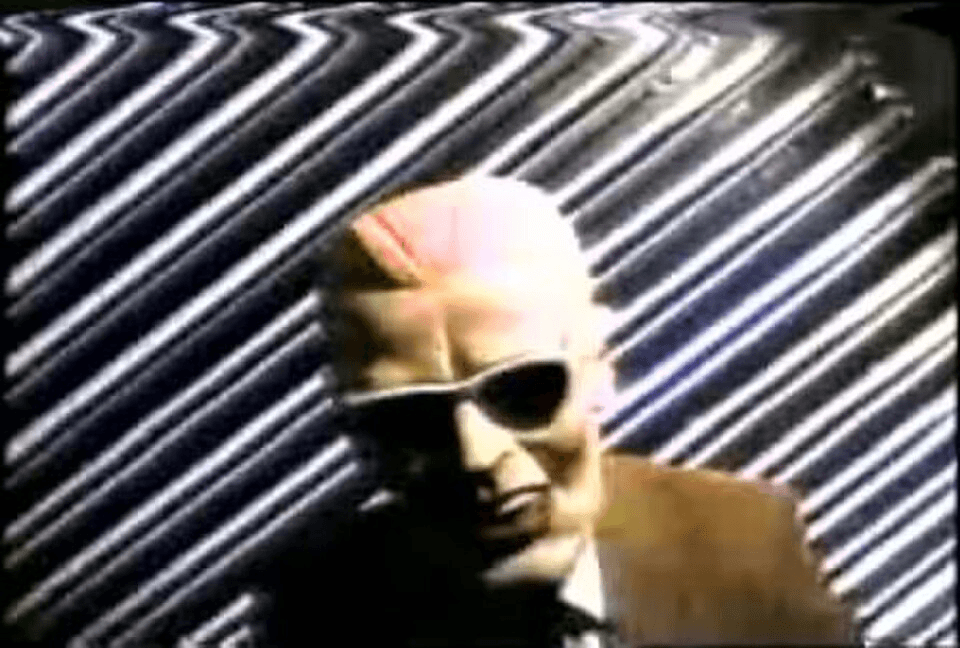
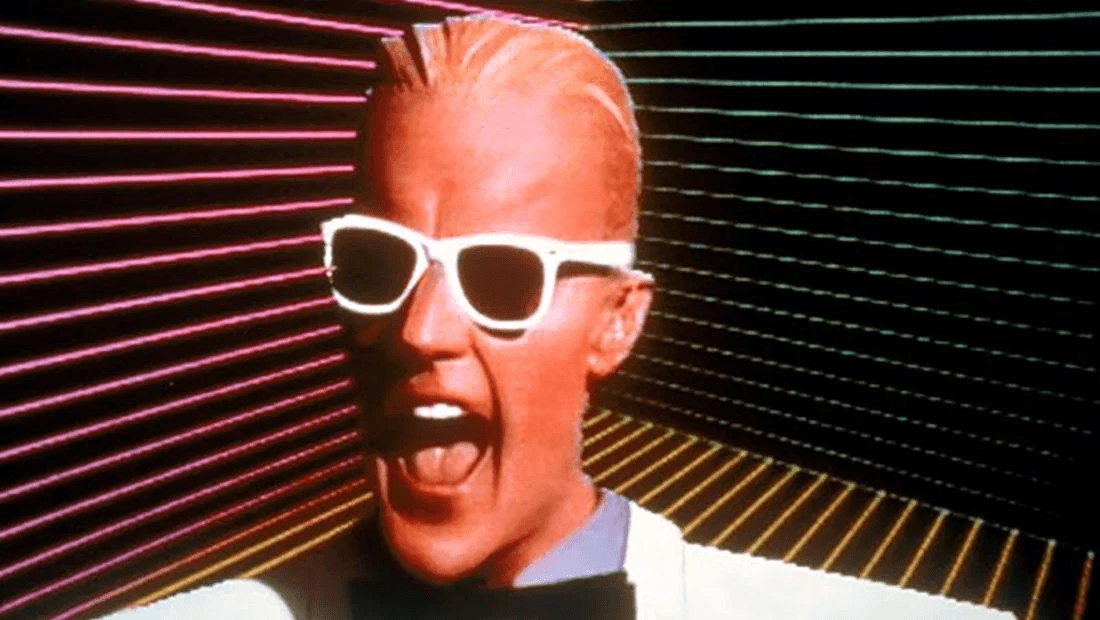
On the night of November 22, 1987, television viewers in Chicago were watching their usual Sunday-night programs when something extraordinary happened. The broadcast suddenly disappeared, replaced by a strange figure wearing a mask of the famous pop-culture icon Max Headroom.
It was not a television commercial, a technical error, or part of the scheduled programming. Someone had taken control of the broadcast signal. What followed became one of the most bizarre and enduring mysteries in television history. The intruder struck two Chicago television stations that night, but despite an investigation, the person or people responsible were never identified.
Also Read: The Wow! Signal: The 72-Second Mystery From Deep Space
The First Interruption: WGN-TV
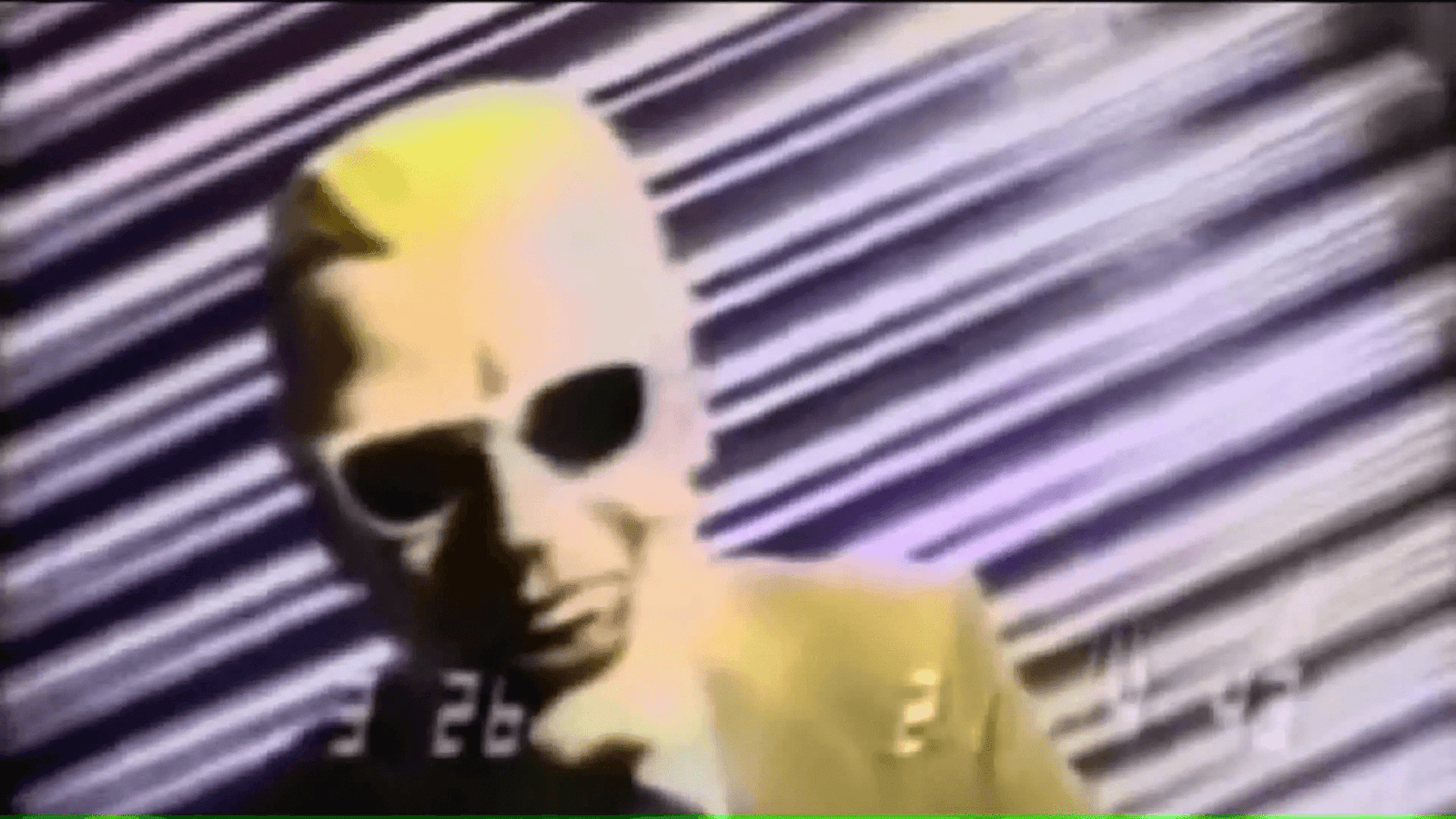
The first intrusion occurred during the 9 p.m. news broadcast on WGN-TV. The station was showing its sports segment when viewers suddenly saw something completely unexpected. A person wearing a mask resembling Max Headroom, the famous computer-generated television character of the 1980s, appeared on screen. The figure wore dark glasses and appeared in front of a strange corrugated-metal background.
The interruption was accompanied by an irritating electronic buzzing sound. After roughly 20–30 seconds, WGN engineers managed to restore the normal broadcast. Sportscaster Dan Roan was visibly confused when the program returned. He remarked that if viewers were wondering what had happened, he was wondering too. At the time, it may have seemed like a bizarre technical malfunction. But the person behind it was not finished.
The Second Hijacking: WTTW
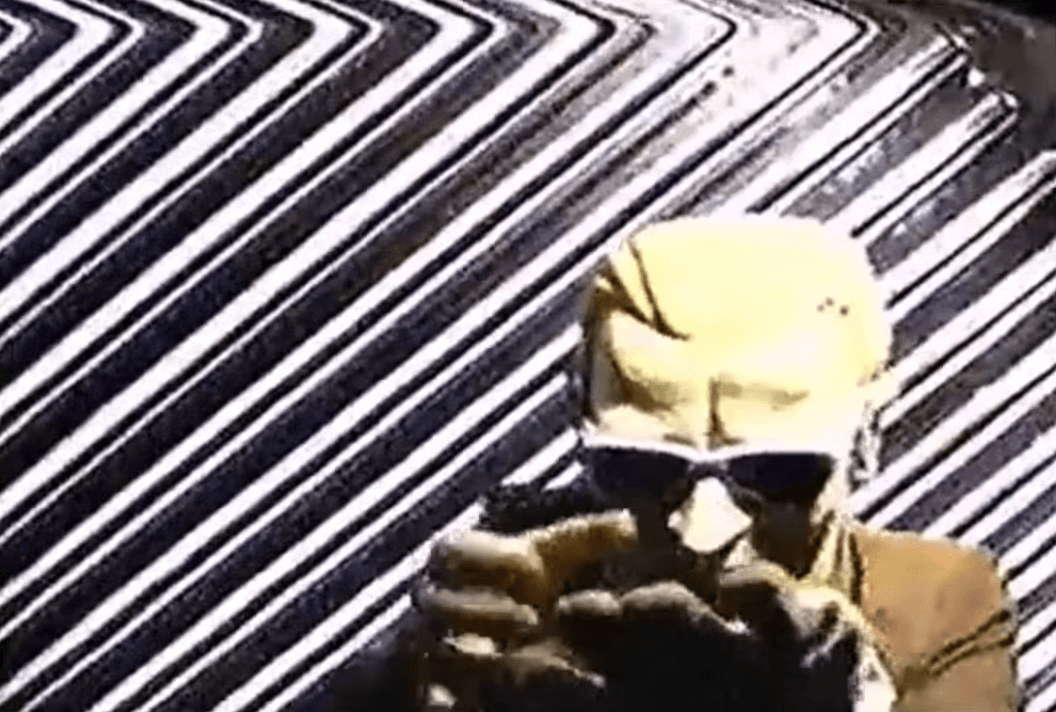
About two hours later, the same strange figure appeared again. This time, the target was WTTW, Chicago’s PBS member station. The station was broadcasting an episode of the British science-fiction series Doctor Who when its signal was suddenly replaced by the masked intruder. Unlike the brief WGN interruption, this intrusion lasted approximately 90 seconds.
The video was chaotic and deliberately absurd. The masked figure moved around while making distorted statements and references to television, advertisements and Chicago personalities. There were also references to Max Headroom’s association with Coca-Cola, including the slogan “Catch the Wave,” while the intruder held a Pepsi can. The broadcast eventually became even stranger, ending with the figure partially exposing his backside while an unidentified woman appeared to spank him with a flyswatter. Then, just as suddenly as it had appeared, the pirate signal disappeared and Doctor Who returned.
How Did They Hijack the Signal?
According to contemporary reporting and later accounts from WTTW, the person responsible had to overpower the station’s transmission using sophisticated equipment. WTTW engineer Al Skierkiewicz later said the perpetrator would likely have needed considerable technical knowledge, potentially involving broadcast engineering, satellite engineering or ham radio expertise.
Source: 30 Years Later, Notorious ‘Max Headroom Incident’ Remains a Mystery
The technology of 1987 also made the intrusion particularly unusual. The stations transmitted their signals through microwave links, and the pirate apparently managed to transmit a stronger signal that overwhelmed the legitimate one. WGN was able to fight back quickly during the first attempt. Its engineers changed the frequency of the studio-to-transmitter link, allowing the station to regain control. However, WTTW was less fortunate. Its transmitter was located at the Sears Tower, and there was no engineer immediately available at the transmitter site to stop the intrusion. By the time station personnel understood what was happening, the pirate transmission had ended on its own.
The Investigation
The bizarre incident quickly attracted the attention of the Federal Communications Commission (FCC) as well as the Federal Bureau of Investigation (FBI). Investigators attempted to determine who had managed to overpower two television signals in the same evening. Engineers also examined how the transmission could have been carried out and what equipment might have been involved. Contemporary reports suggested that the stunt required expensive and technically sophisticated equipment. But the investigation ultimately produced no confirmed culprit. No one was publicly identified as the person behind the mask, and no convincing confession ever established who carried out the broadcast.
Source: The Max Headroom Incident: Chicago’s Creepiest TV Hack
Who Was Behind the Mask?
One of the strongest assumptions has been that the perpetrator had some connection to television or radio technology. The technical difficulty of overriding the stations’ signals suggested that this was not an ordinary prank that someone could easily have carried out with household equipment. The intruder or intruders were believed to be someone with specialised technical knowledge. The second broadcast also clearly featured another person off-camera, meaning the strange performance itself appears to have involved at least an accomplice. Yet investigators never figured out their identities.
A Mystery That Refuses to Disappear
The Max Headroom incident lasted only a few minutes, but its impact has lasted for decades. Unlike many famous mysteries, there is no missing person, unidentified body or unexplained physical evidence at its centre. Instead, there is a strange videotape, a technically impressive broadcast intrusion and an unidentified person hiding behind a mask. The FCC investigated, television engineers examined the incident, and viewers supplied recordings of the strange transmission. Still, the identity of the hijacker remained unknown.
Today, the Max Headroom incident is remembered as one of the most unusual examples of broadcast signal intrusion. A strange moment when an ordinary night of television was suddenly interrupted by something that seemed almost impossible. And decades later, one question remains: Who was behind the Max Headroom mask?
Also Read: Kitty Genovese: Murder, Myth and Bystander Effect