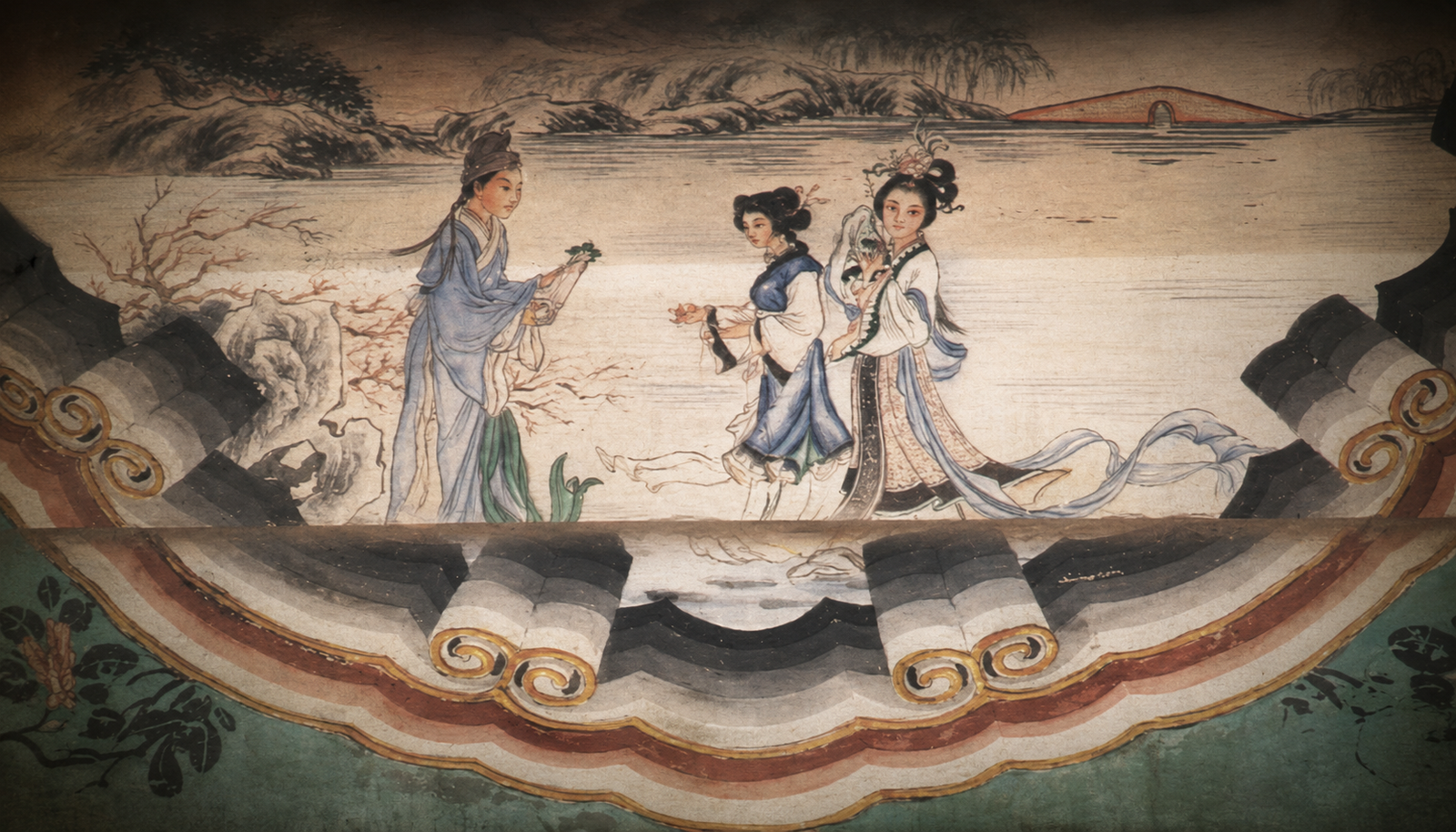
On a rainy spring day beside Hangzhou’s West Lake, a young man named Xu Xian offered shelter to two women caught in the rain. One was dressed in white and the other in green. He had no idea that the women were not human at all.
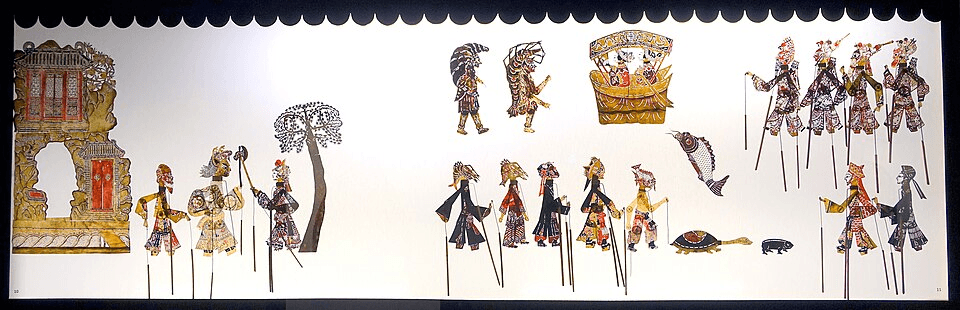
Known as the Legend of the White Snake (Baishezhuan), the story is traditionally regarded as one of China’s Four Great Folktales. Yet it is not a single unchanging story. Different versions have appeared in literature, opera and popular storytelling, and the portrayal of Bai Suzhen gradually changed from that of a dangerous supernatural being into a much more sympathetic heroine.
Also read: Munjya: The Child Spirit of the Trees
Bai Suzhen, the White Snake
According to the best-known versions, Bai Suzhen was originally a white snake who had spent many years cultivating herself and acquiring supernatural powers. Eventually, she learned to assume human form and became a beautiful woman. Rather than remaining in the spirit world, she entered the human world accompanied by Xiaoqing, the Green Snake.
Their journey eventually brought them to Hangzhou and West Lake, where Bai Suzhen encountered Xu Xian. In some versions, she already has a reason for seeking out the human world, while later retellings emphasise her desire to experience human love. The moment that changed everything came during a rainstorm.
The Meeting at West Lake
Xu Xian met Bai Suzhen and Xiaoqing near West Lake during the rain. He offered them an umbrella, a small act of kindness that became the beginning of a remarkable relationship. They eventually tied the knot. Bai Suzhen and Xu Xian began their married life together and opened a herbal medicine shop.
Bai Suzhen was not portrayed simply as a mysterious supernatural creature. She possessed considerable knowledge of medicine and magic and used her abilities to help others. Her relationship with Xu Xian became increasingly important to her, and she wanted to remain in the human world rather than return to the realm of spirits. For a time, their lives appeared peaceful. But Bai Suzhen’s secret could not remain hidden forever.
Source: Chinese love story: Legend of the White Snake
The Monk Who Saw Through Her
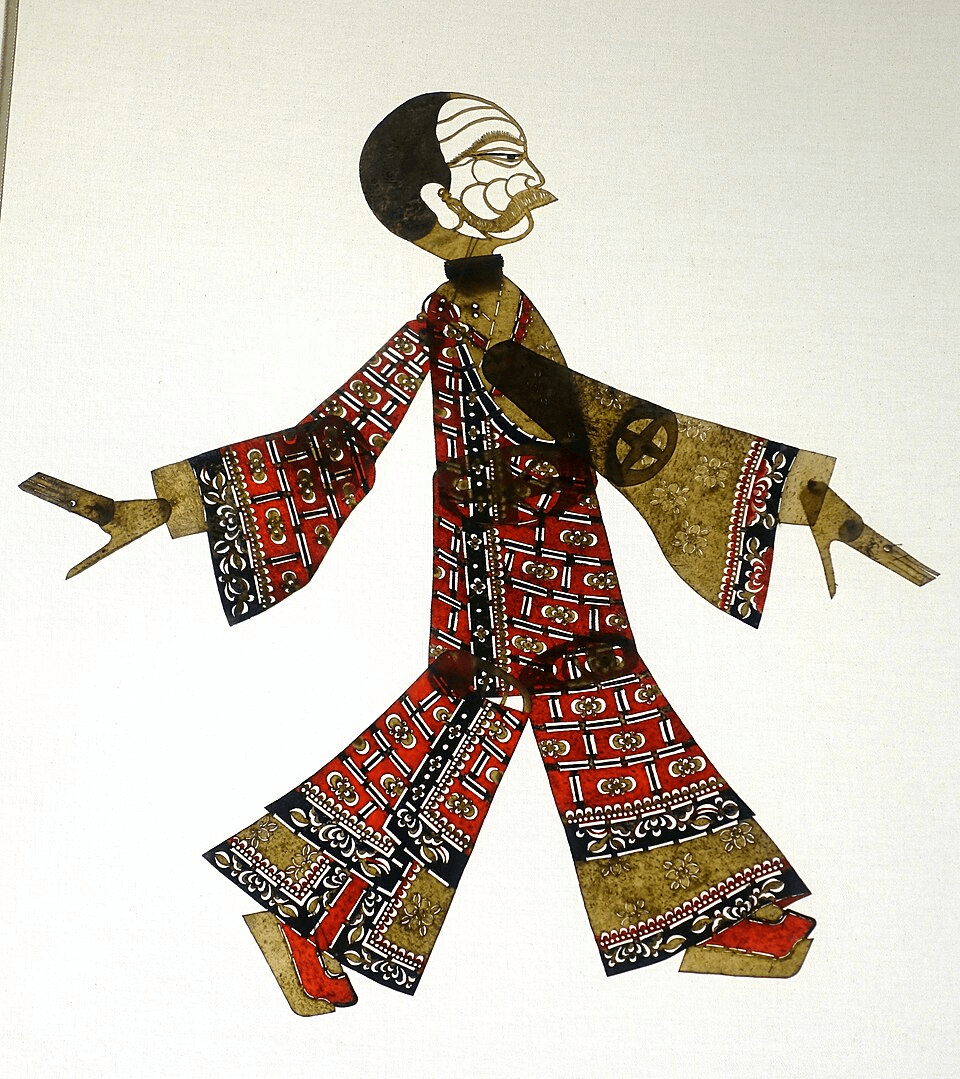
The person who discovered Bai Suzhen’s true nature was Fahai, the Buddhist monk associated with Jinshan Temple. Fahai believed that Bai Suzhen was not an ordinary woman but a dangerous snake spirit. He warned Xu Xian that his wife was supernatural, but Xu Xian initially refused to believe him.
Fahai then devised a way to prove it. He advised Xu Xian to give Bai Suzhen realgar wine to test her. In traditional Chinese belief, realgar had associations with warding off harmful influences, and within the legend it possessed the power to break the snake spirit’s disguise. Xu Xian followed the monk’s instructions. He soon discovered that the woman he loved was not human.
The White Snake Reveals Herself
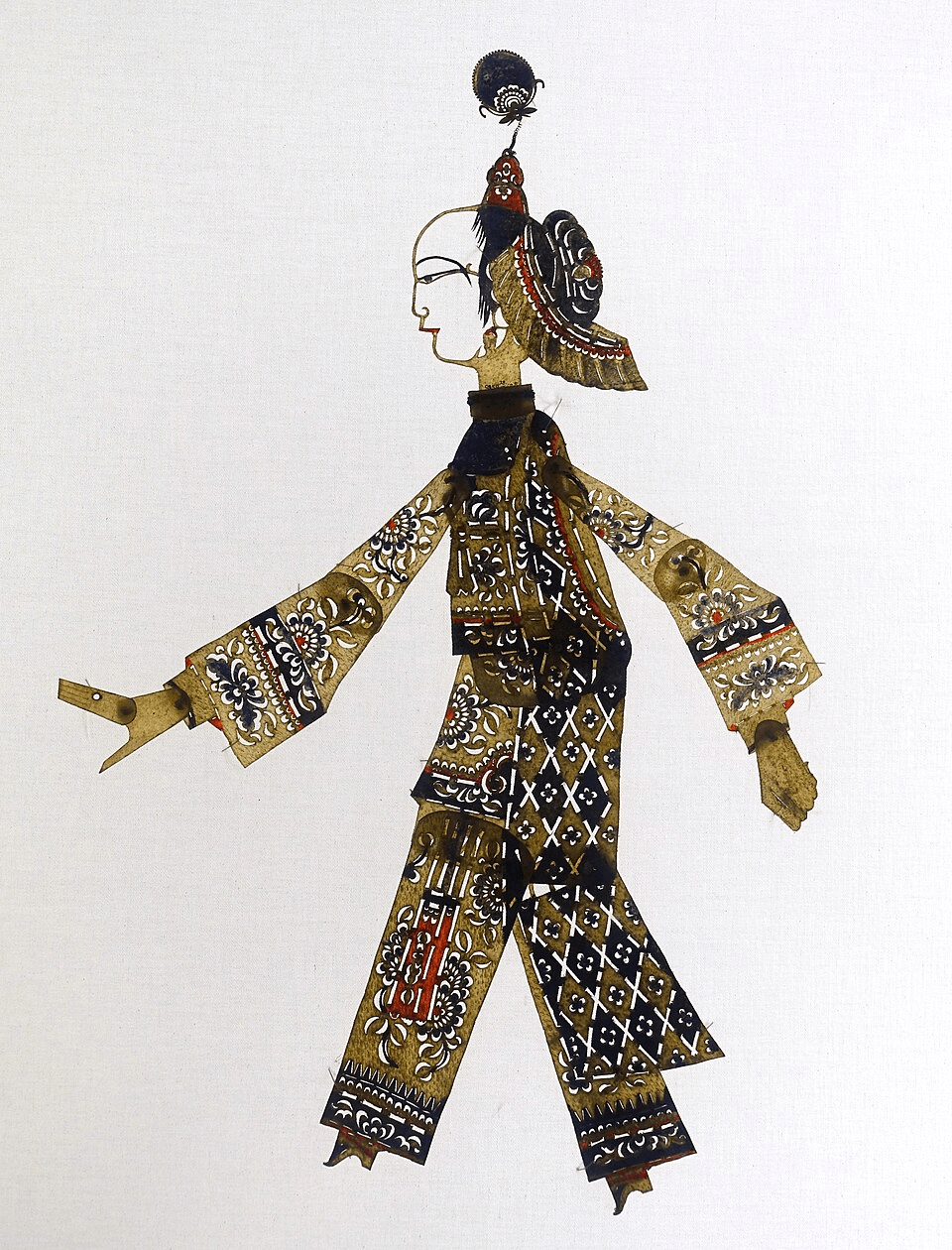
After drinking the wine, Bai Suzhen lost control of her human disguise and returned to her enormous serpent form. Xu Xian was horrified by what he saw. In the popular version of the story, the shock was so great that he died. Bai Suzhen was devastated. She had not wanted to frighten him, and she could not accept losing the man she loved. Instead of abandoning him, she decided to bring him back to life. Her search would take her beyond the ordinary human world.
The Quest for the Immortal Herb
Determined to save Xu Xian, Bai Suzhen travelled to the realm of the immortals in search of a magical herb capable of restoring life. The journey was dangerous. The herb was guarded, and Bai Suzhen had to overcome supernatural obstacles to obtain it. Eventually, she succeeded and returned with the medicine. Then, Xu Xian was restored to life.
But the conflict surrounding their marriage was far from over.
Source: Legend of the White Snake
The Battle at Jinshan Temple
Fahai continued to oppose Bai Suzhen’s relationship with Xu Xian. After Xu Xian was taken to Jinshan Temple, Bai Suzhen and Xiaoqing attempted to rescue him. What followed became one of the most dramatic episodes of the legend. Bai Suzhen summoned enormous amounts of water against the temple. The resulting battle became a legendary confrontation between the White Snake and Fahai, with supernatural forces gathering on both sides.
Yet Bai Suzhen could not simply overpower her enemies. In many versions, she was pregnant at the time, which weakened her ability to fight. Eventually, she and Xiaoqing were forced to retreat. The battle transformed the story from a simple romance into a struggle between love and religious authority.
Bai Suzhen Under the Leifeng Pagoda
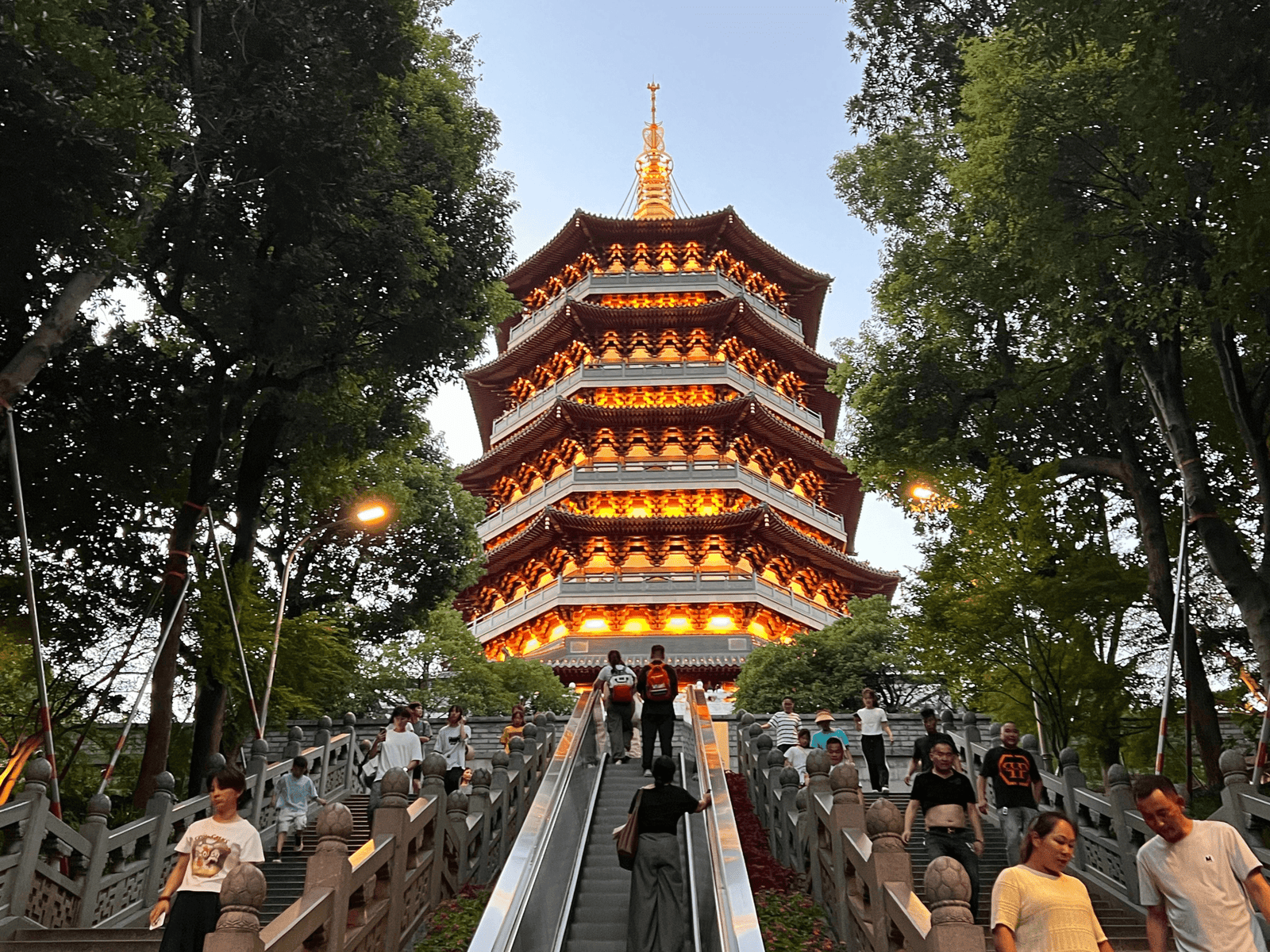
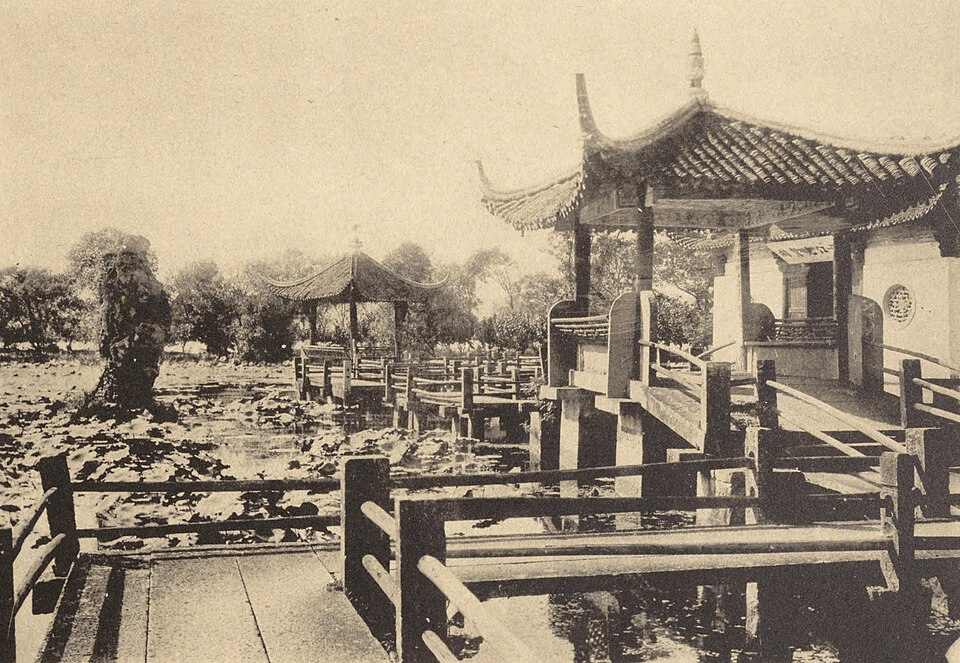
Eventually, Fahai defeated Bai Suzhen. After giving birth to her son, Bai Suzhen was imprisoned beneath the Leifeng Pagoda beside West Lake. The real Leifeng Pagoda predates the legend. It was originally built in 975 during the Five Dynasties and Ten Kingdoms period. Over time, however, the White Snake story became so closely connected with the tower that Leifeng Pagoda became one of the iconic sights of West Lake.
The Son Who Freed His Mother
This ending varies depending on the version. In one tragic ending, Bai Suzhen remains imprisoned beneath the pagoda, while Xu Xian eventually becomes a monk. But another version gives the story a more hopeful conclusion.
Bai Suzhen’s son grows up and becomes an outstanding scholar. After achieving the highest rank in the imperial examinations, he returns to the Leifeng Pagoda and pays tribute to his imprisoned mother. His devotion moves Heaven. The pagoda collapses, freeing Bai Suzhen and allowing the family to reunite. This happier ending became particularly influential in later popular versions of the tale.
What Does the White Snake Legend Mean?
At its heart, the story is about more than a supernatural romance. Bai Suzhen crosses the boundary between the human and spirit worlds because she wants to experience a human life. Her love for Xu Xian forces her to confront the rules that separate those worlds. The legend therefore raises a question that has remained relevant through centuries of retellings:
Can love be judged by the form of the person who feels it?
Bai Suzhen may be a snake spirit, but she displays compassion, loyalty and extraordinary devotion. Fahai, meanwhile, believes that supernatural beings and humans should not live together. The conflict between them gives the story much of its emotional power. The Legend of the White Snake has survived because it can be interpreted in many different ways.
It can be read as a tragic love story, a supernatural romance, a tale about prejudice, or a conflict between individual desire and established religious order. Its characters have appeared in Chinese opera, literature, paintings, films, television series and other forms of popular culture. The story has also become inseparable from Hangzhou’s cultural landscape. West Lake, the Broken Bridge and Leifeng Pagoda are not merely locations in the tale anymore; they have become part of the visual identity of the legend itself.
Perhaps that is why the image of Bai Suzhen continues to endure: beneath the fantastical story of snakes, magic and immortals is a remarkably human question about love, identity and whether someone should be judged for what they are rather than what they choose to become.
Also Read: The Gorbals Vampire: The Night Glasgow’s Children Went Hunting