For centuries, the people of southern France told stories of a creature that lived near the Rhône River. It was not just a wild animal. According to the legend, the Tarasque was enormous, heavily armored, and powerful enough to terrify an entire region. Those who encountered it were said to have little chance of surviving. The creature became so feared that an entire town eventually became associated with its name.
Also Read: Yara-ma-yha-who: The Eerie Creature of Aboriginal Folklore
The Monster of the Rhône
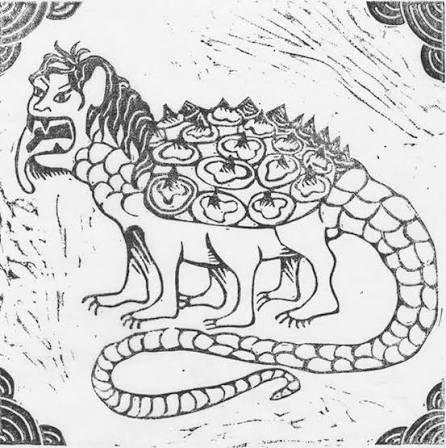
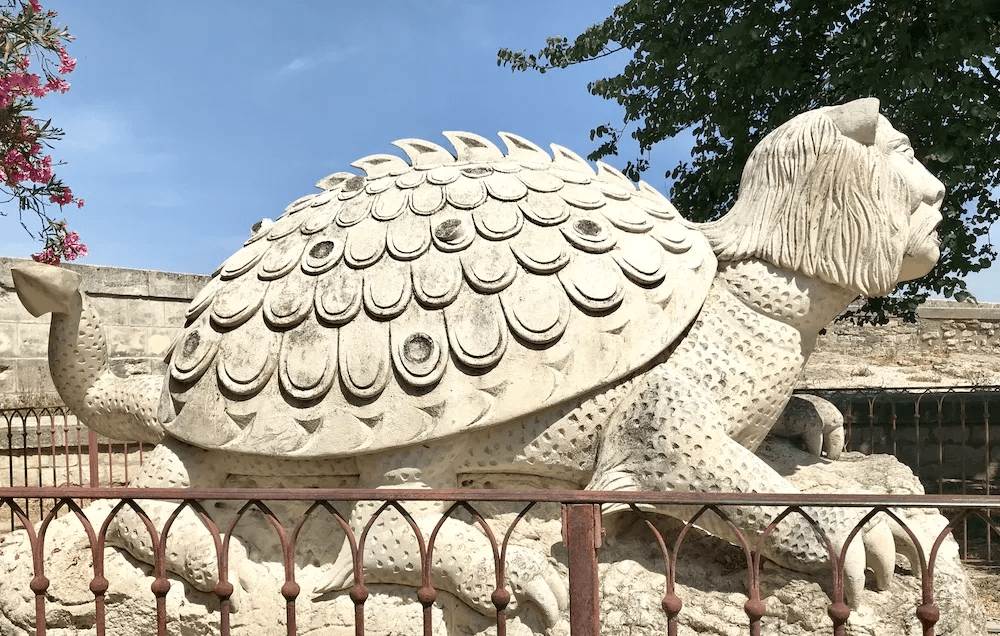
The legend of the Tarasque is closely connected with Tarascon, a town in Provence, southern France. According to traditional accounts, the creature lived along the Rhône and was described as a bizarre combination of different animals. It was said to have a body resembling a giant turtle. Its legs were powerful, and it had a huge, scaly tail. The creature also had an armored back, a lion-like head, and sharp teeth.
The Tarasque supposedly lived in an area near the Rhône where travelers and local inhabitants were vulnerable to attacks. Stories claimed that the creature attacked people who ventured too close to the river. Boats were allegedly overturned, and livestock disappeared. People were terrified to approach the creature’s territory. The creature did not remain merely a frightening local animal; it became part of the religious traditions of Provence. And that is where the legend takes a dramatic turn.
Source: The Legends of Provence: The Tarasque Monster of Tarascon
The Arrival of Saint Martha
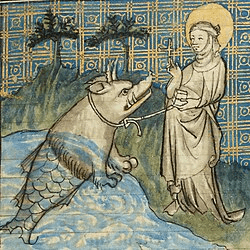
According to Christian tradition, Saint Martha eventually encountered the creature. Martha was said to have been traveling through the region when she learned of the monster terrorizing the population. Unlike the warriors and hunters who supposedly could not defeat it, Martha did not fight the Tarasque with weapons. Instead, she confronted it through faith. According to the legend, she approached the creature and subdued it. The once-feared monster became docile. Martha then led it back toward the town, but the frightened inhabitants, seeing the creature approaching, attacked and killed it. The people eventually celebrated Martha for freeing them from the monster, and the town became known as Tarascon.
What Was the Tarasque?
To a modern reader, the creature sounds almost like a fantasy monster. But medieval folklore frequently combined recognizable animals to create creatures that represented something much more frightening. The Tarasque may therefore have been less about describing an actual animal and more about giving a physical form to danger. There is another way to understand the story. The legend may have represented the dangers of the Rhône itself.
Source: Tarasque
Rivers were essential to medieval communities as they provided transportation, food, and trade. Strong currents, floods, dangerous animals, accidents, and isolated stretches of river could all create genuine fear. Over generations, these dangers could become concentrated into a single legendary creature. Instead of saying: “The river is dangerous.” The story could say: “A monster lives there.” The Tarasque became a face for that danger.
Could It Have Been a Crocodile?
One of the more interesting theories surrounding the legend is that unusual sightings of large reptiles may have contributed to stories about the Tarasque. Crocodiles were known in medieval European art and literature, although they were not native to southern France. Travelers, merchants, soldiers, and religious communities could encounter descriptions or images of exotic animals from distant regions. A frightening creature described secondhand could easily become something much larger in oral tradition. But there is no reliable evidence proving that a crocodile or any other specific animal was the original Tarasque.
The Legend Becomes a Tradition
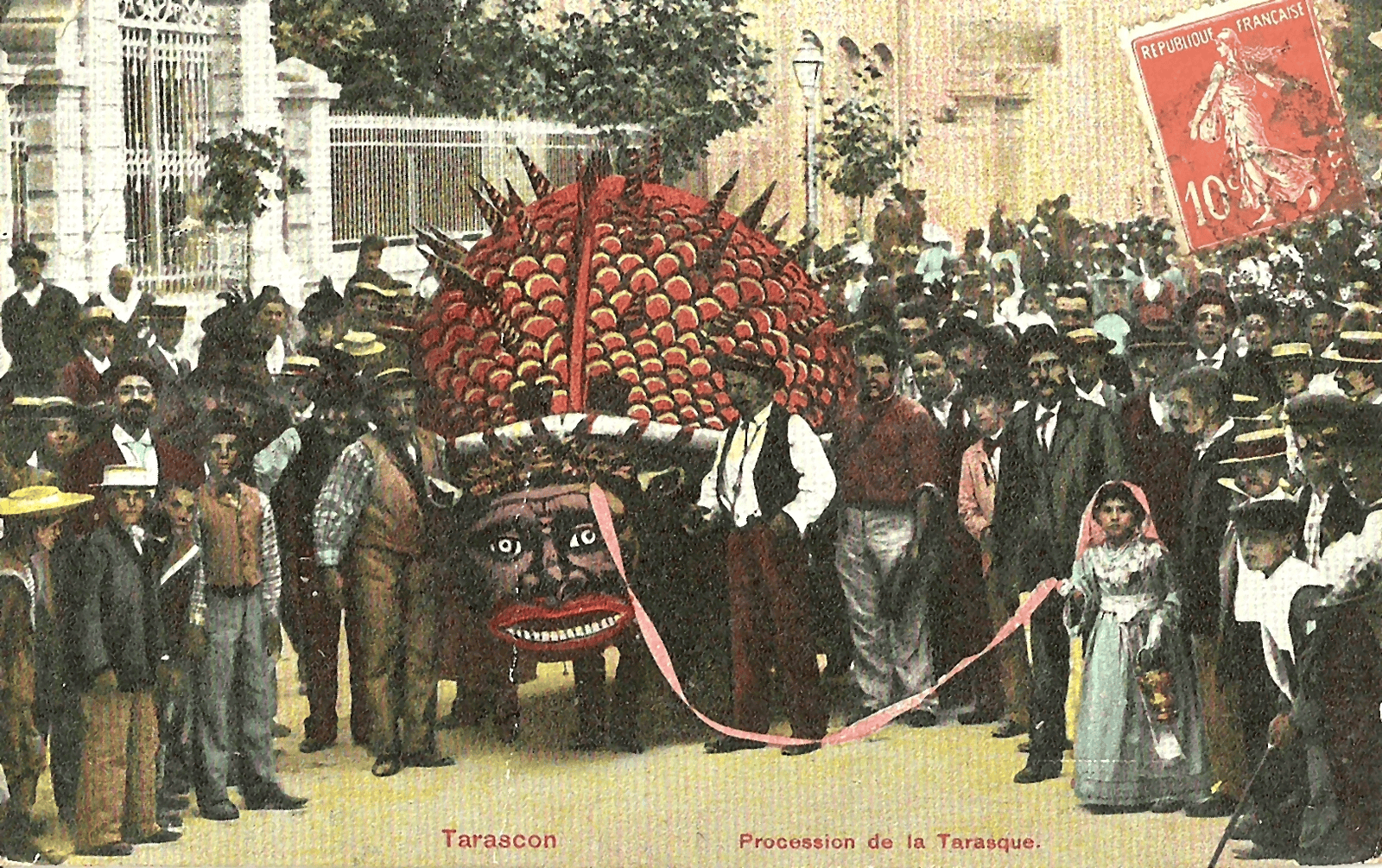
Whatever its original inspiration, the legend eventually became deeply connected with the identity of Tarascon. It appeared in local art, religious traditions, festivals, and public celebrations. Its image survived long after the monster itself had supposedly been defeated. The frightening beast had become a cultural symbol, and perhaps that is one of the most fascinating things about the Tarasque. The legend went from something people feared to something people celebrated.
The Tarasque Festival
The legend remains alive in Tarascon through the Fête de la Tarasque, a traditional celebration associated with the creature and Saint Martha. A giant representation of the Tarasque is paraded through the streets. The monster that once supposedly terrorized the region is now part of the town’s cultural identity. The story has survived for centuries not because anyone has proven the creature existed, but because the legend became woven into the history of the community.
The Tarasque may never have been a real creature lurking along the Rhône, but its story reveals something just as fascinating: the way fear, faith, and imagination can transform an unknown danger into a monster remembered for centuries. The creature became a symbol of Tarascon itself, surviving through festivals, artwork, and generations of storytelling. The creature may have disappeared into the pages of folklore, but one question remains. Was the Tarasque simply a legend born from fear? Or does the ancient story preserve a fragment of something people once encountered but could not explain?
Also Read: YOGTZE Case: The Mystery of Günther Stoll