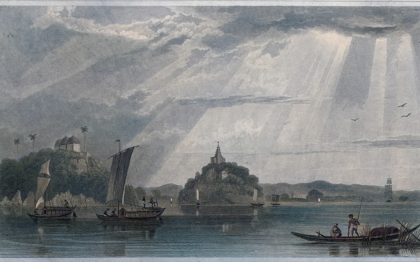
In Victorian England, sightings of a mysterious figure that could leap over walls became prominent. Witnesses described glowing red eyes, sharp metallic claws and flames bursting from its mouth. Some believed it was a supernatural creature; others suspected a human prankster with an elaborate disguise.
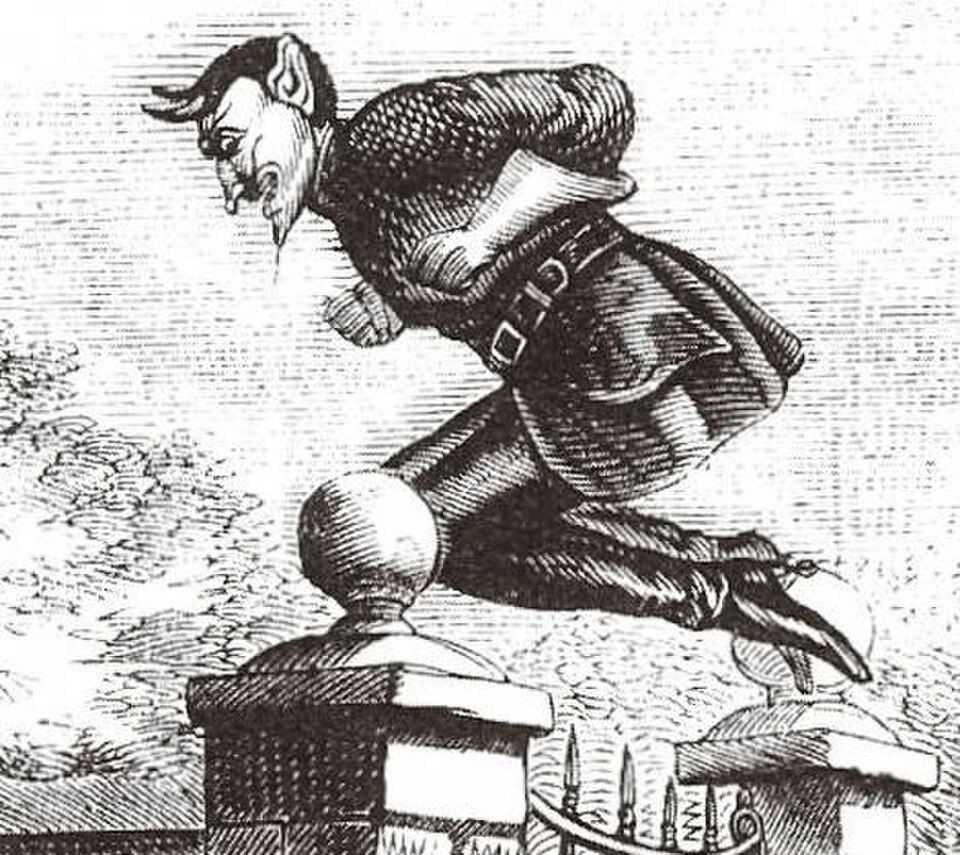
Known as Spring-Heeled Jack, this elusive figure became one of nineteenth-century England’s most enduring urban legends. Beginning with rumours around London in 1837, the story grew through newspaper reports, alleged encounters and sensational popular fiction. Yet despite the public attention, no definitive identity was ever established for the figure behind the accounts.
Also Read: Top 5 Chinese Folklore Stories That Will Leave You Wondering
The First Sightings and the Jane Alsop Incident

The earliest rumours associated with Spring-Heeled Jack emerged in late 1837 around villages on the outskirts of London. Initial reports described strange, animal-like apparitions, including a phantom bull or bear. As the stories travelled, the creature gradually took on a more recognisably human form, becoming a frightening figure associated with nighttime attacks and extraordinary agility.
The legend entered the wider public consciousness in January 1838, when The Times reported on an announcement made by London’s Lord Mayor, Sir John Cowan. An anonymous letter had drawn attention to rumours of a mysterious attacker, bringing stories that had circulated locally into the metropolitan press. One of the best-known incidents followed in February 1838, when a young woman named Jane Alsop reported an encounter outside her family home near Bow, then on the outskirts of London.
According to her account, a figure approached the house, claimed to be a police officer, and asked for a light. When Alsop came outside, the stranger reportedly revealed a terrifying appearance, with eyes resembling balls of fire. He allegedly discharged blue and white flames from his mouth and attacked her with claw-like objects, tearing at her clothing and injuring her. Alsop’s account became one of the legend’s most influential elements. Reports of another alleged victim, Lucy Scales, who described being confronted by a strange figure that emitted blue flames in her face, blinding her temporarily before fleeing away.
Source: Spring-Heeled Jack: the fire-breathing phantom that terrorised Victorian England
A Figure That Could Leap Beyond Belief

Spring-Heeled Jack’s supposed ability to escape capture was central to his reputation. Stories claimed that he could vault over walls, leap across rooftops and vanish before anyone could catch him. This extraordinary agility eventually became so closely associated with the figure that it inspired his distinctive name.
Descriptions of his appearance were far from consistent. Some accounts presented him as a tall, cloaked man; others depicted a devil-like creature, a figure wearing armour or a strange being with metallic claws. His fiery eyes and apparent ability to breathe flames became recurring features in later retellings. These changing descriptions helped the legend grow. Rather than pointing towards one stable, identifiable figure, the reports suggest that different storytellers and witnesses contributed their own details to an evolving mystery.
Several explanations were proposed. Some people suspected a wealthy prankster or group of troublemakers using disguises to frighten unsuspecting residents. Others interpreted the reports through the supernatural beliefs and anxieties of the period. No explanation has been conclusively established for every incident attributed to Jack. The press played a crucial role in turning scattered rumours into a widespread sensation.
From Public Panic to Popular Fiction
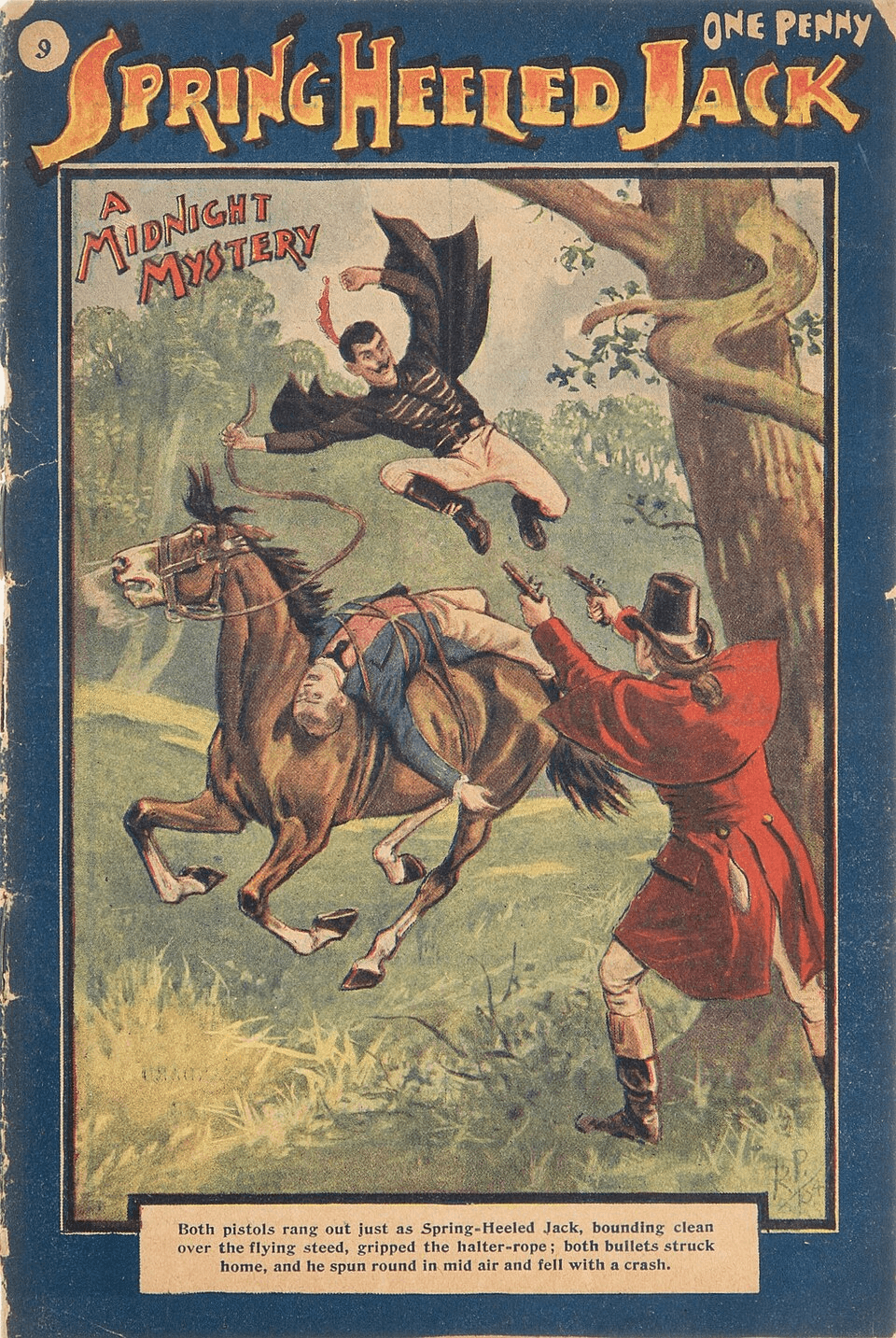
The initial London scare eventually subsided, but Spring-Heeled Jack did not disappear from public imagination. Reports attributed to him continued across England for decades, with alleged sightings spreading into the Midlands, northern England and Wales. As the nineteenth century progressed, the character also moved from newspaper reports into popular entertainment. Cheap serial publications known as Penny dreadful transformed him into a recurring fictional figure. In these stories, his extraordinary abilities could serve very different purposes. He was sometimes a sinister villain and, in certain versions, even a masked avenger who punished wrongdoers.
This transformation reveals how folklore can change with its audience. The figure who had once embodied fears of mysterious nighttime attacks could be reinvented as an adventurous character for readers hungry for sensational stories.
The legend’s longevity also reflected the anxieties of Victorian life. Rapidly expanding cities, dimly lit streets and uncertainty about the identity of strangers provided fertile ground for tales of an elusive attacker. Spring-Heeled Jack offered a name and a recognisable form to fears that might otherwise have remained vague.
By the early twentieth century, the reports had largely faded. One widely discussed late appearance was reported in Liverpool in 1904, where a mysterious figure was said to have leapt between rooftops. Like earlier sightings, however, it did not establish who or what had been seen.
Source: Meet Spring-Heeled Jack, the Leaping Devil That Terrorized Victorian England
Who Was Spring-Heeled Jack?
More than a century after the original reports, Spring-Heeled Jack’s true identity remains disputed. His identity has been variously attributed to a practical joker, a disguised attacker, a supernatural entity or a character shaped by collective imagination. None of these explanations has been conclusively demonstrated.
Historians trace the figure’s development from local rumours into a national phenomenon. The research highlights the importance of newspapers, oral storytelling and popular entertainment in shaping the legend over time. The historical record confirms that Spring-Heeled Jack stories circulated widely and generated considerable public interest. It does not, however, prove that a single individual possessed the extraordinary abilities described in the accounts.
Perhaps the most intriguing aspect of the legend is not whether a fire-breathing phantom truly stalked Victorian streets, but how the story survived without a confirmed culprit. Each retelling added another detail, allowing the mysterious figure to outlive the people who first claimed to have encountered him.
Also Read: 3I/ATLAS: The Interstellar Visitor That Sparked Unusual Questions