Long before the banshee became a familiar figure in horror stories, she was a mysterious supernatural woman in Irish folklore, whose mournful cry was believed to announce death. Known in Irish as the bean sí, the banshee was traditionally associated with particular families and was most often heard at night.
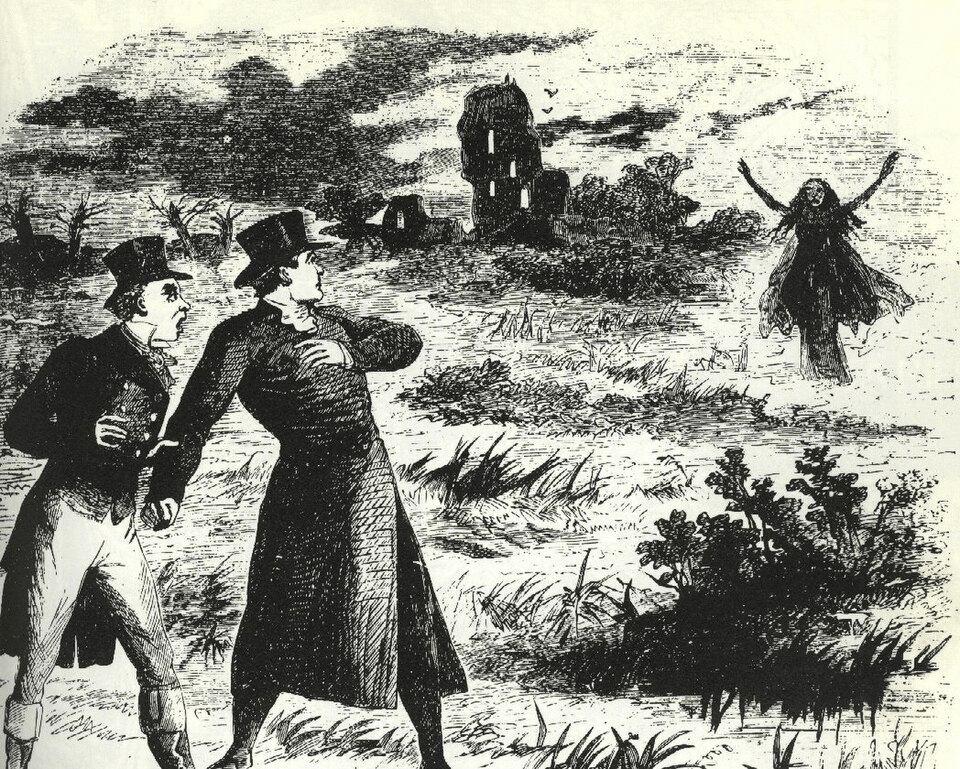
Unlike the frightening creature of modern fiction, the traditional banshee is not usually believed to attack people. She is more like a supernatural mourner—a figure whose cry warns that someone’s death is near.
Also Read: Black Annis: The Blue-Faced Witch of the English Hills
The Woman Who Cries Before Death
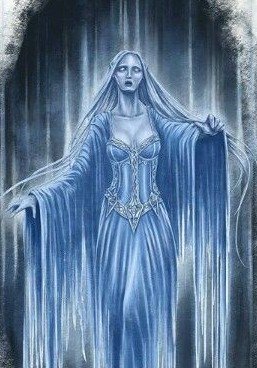
The most famous feature of the banshee is her keening, a sorrowful wail associated with mourning in Irish tradition. Accounts preserved in the Irish National Folklore Collection describe people hearing strange cries before the death of a family member. Some stories compare the sound to the cry of a cat, while others describe it as an unusually loud and sorrowful wail that could be heard from a great distance.
In Irish funeral tradition, keening was considered a genuine human mourning practice associated with wakes and funerals. Professional or skilled mourners could lament the dead through highly emotional cries and songs. Thus, the folklore has intertwined this familiar sound of mourning with the supernatural figure of the banshee.
Who Could Hear a Banshee?
The banshee was not traditionally associated with everyone. Many stories connect her with particular families, sometimes families whose surnames were believed to have ancient Irish origins. The banshee is also described as being attached to particular families or family groups, appearing as a supernatural warning of approaching death.
According to these traditions, the person whose death was approaching was not necessarily the one who heard the banshee. Instead, another member of the family might hear her mournful cry and understand it as a warning that someone close to them was about to die. In some accounts, several people could hear the cry, while the person at the centre of the omen might remain unaware of it.
The Banshee’s Many Faces
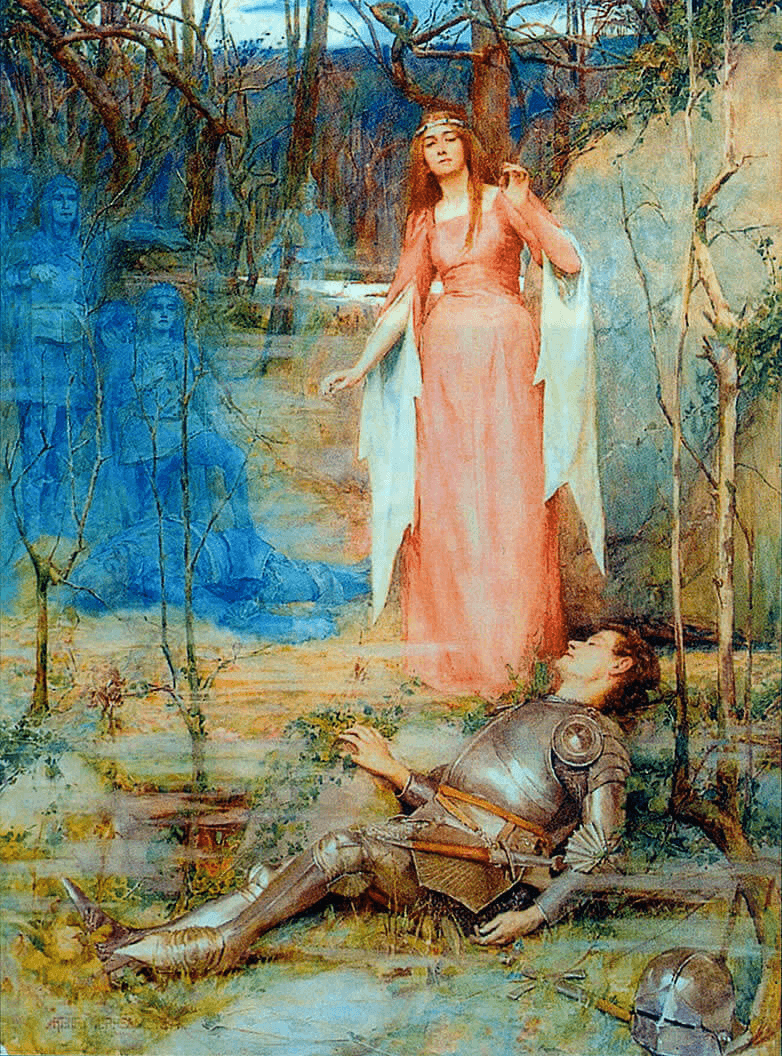
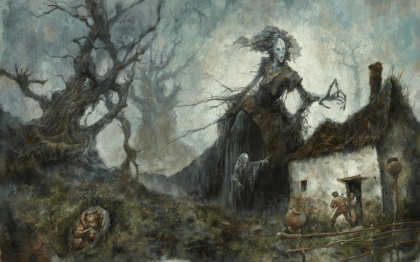
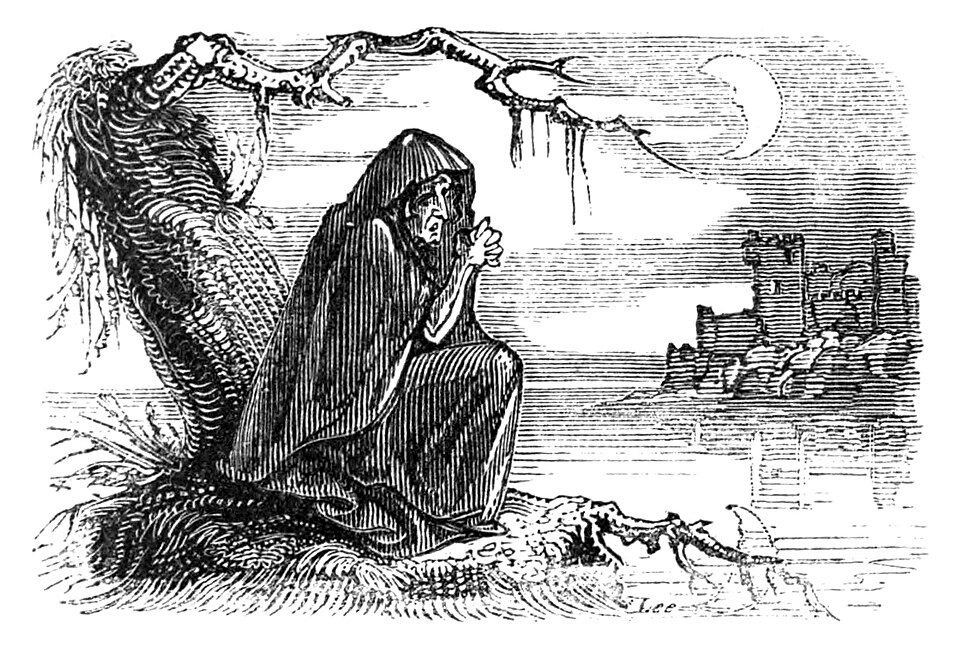
The image of a pale woman with long hair is now strongly associated with the banshee, but Irish folklore gives her no single appearance. At once, a banshee may appear at night dressed in white, with long and flowing hair. She is seen combing her hair with a silver comb while keening. Other appearances range from an old woman with fiery blood-red eyes wearing a hooded cloak to a woman with sombre demeanour draped in clothes of muted tones. These differences are important because they show that the banshee was not a single standardised character. Her appearance changed from one community’s storytelling tradition to another.
Source: Banshee
More Than a Harbinger of Death
Although the banshee is primarily remembered as a death omen, some traditions give her a more complicated place within the supernatural world. Older Irish folklore connected the bean sí with the sí, the supernatural beings associated with fairy mounds and the otherworld. Historical writers sometimes portrayed the banshee as a supernatural woman attached to particular families, while other traditions gave individual banshees names and described them as powerful figures within the fairy world.
The folklore also shows that a banshee’s cry did not always signify an immediate death. She could cry for someone who had gone away, such as a person going to war who was expected not to return. This makes the banshee less like a simple supernatural “executioner” and more like a figure associated with grief, separation and foreknowledge of death.
A Folklore That Survived Through Stories
Much of what is known about the banshee comes not from a single ancient text but from oral traditions passed down through generations. Hundreds of stories connected to the banshee are preserved in such a manner. These accounts vary considerably, but the recurring elements are striking: a mysterious woman or unseen presence, a mournful cry, particular families, nighttime appearances and an association with approaching death.
That variation may be one of the most fascinating things about the banshee. There is no single definitive “banshee story.” Instead, there are countless local versions, each shaped by the community that told them. The modern image of a screaming ghost therefore captures only part of the folklore. In traditional Irish stories, the banshee was often something quieter and more unsettling. A mysterious mourner heard in the darkness, crying for someone whose death is yet to arrive.
Also Read: Ben Needham: The Toddler Who Vanished on Kos