There are places in England where the landscape seems to hold onto its secrets. Ancient hills, narrow paths, and caves hidden beneath the earth. Some stories have been passed down through generations about something that was never meant to be found. In Leicestershire, one such legend speaks of a terrifying figure known as Black Annis. She was said to have a blue face, long claws, and a cave dwelling in the Dane Hills near Leicester. For generations, local folklore connected her with the darkness of the hills and the fear of those who wandered too close. But the legend was more than a frightening tale told to children. Her story became part of the landscape itself.
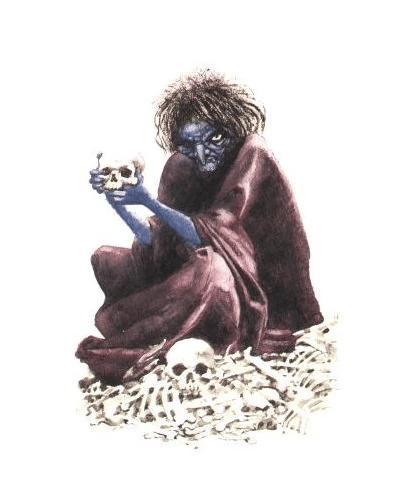
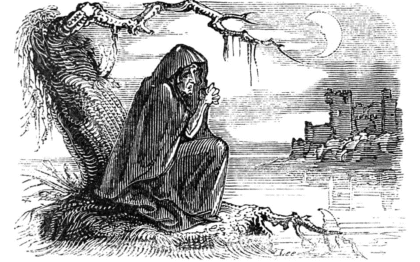
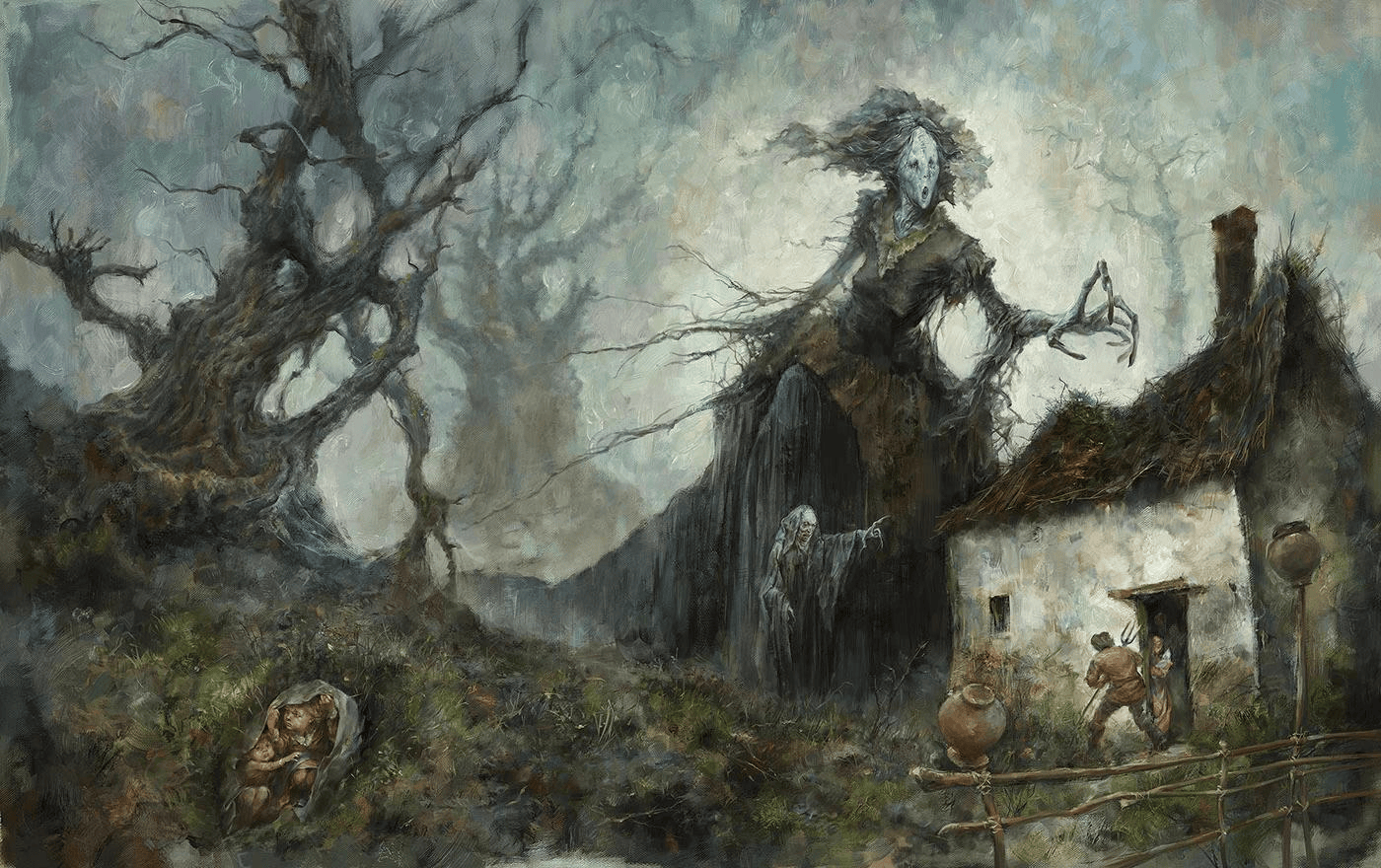
According to English folklore, Black Annis was a solitary, frightening hag who lived in a cave beneath the Dane Hills. She was often described as having a blue or darkly coloured face and a frightening appearance associated with the wilderness. Her cave was traditionally known as Black Annis’s Bower. The legend portrayed her as a dangerous figure, particularly to children and travellers who strayed too close to her territory. Unlike some British supernatural beings who were associated with grand castles or ancient battlefields, Black Annis belonged to a more intimate kind of fear.
Also Read: The Black Shuck: England’s Phantom Dog of Death
The Cave in the Dane Hills
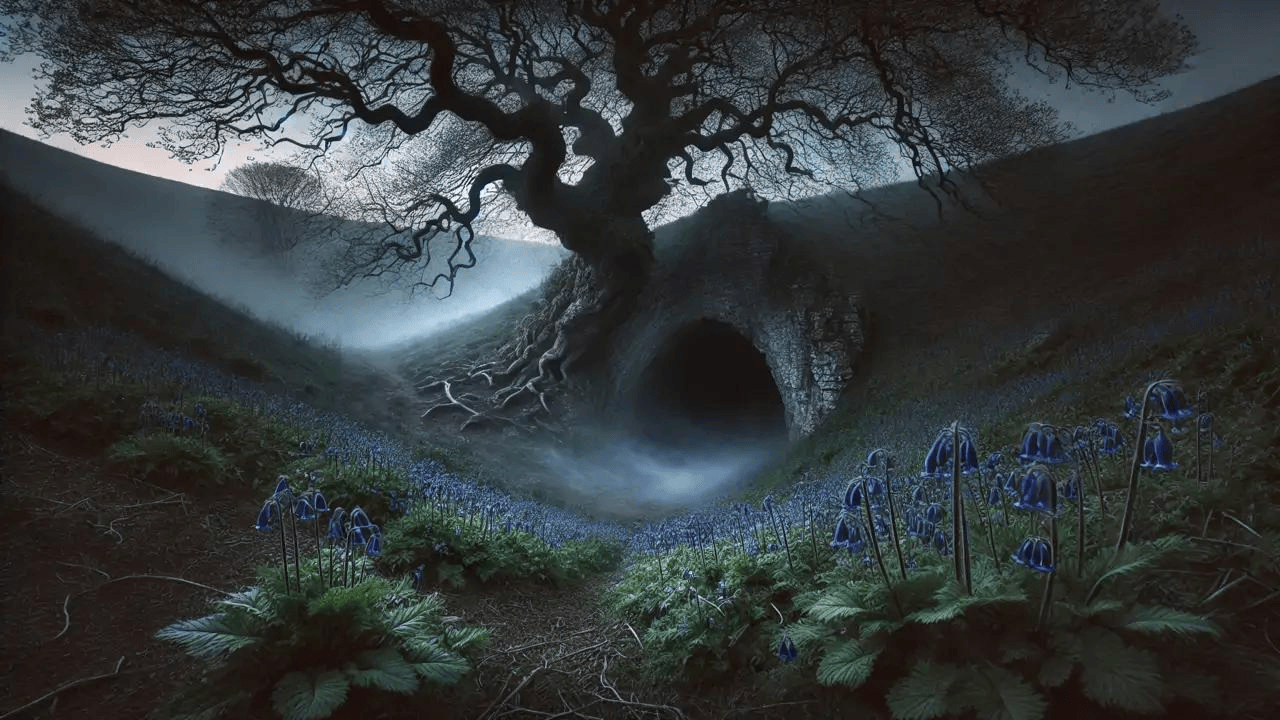
The Dane Hills, near Leicester, became the traditional home of Black Annis. The cave associated with her legend was said to lie in the hillside, hidden among the landscape. In the imagination of local storytellers, it was more than an ordinary hollow in the earth. It was the home of a creature who belonged to the darkness. The legend gained its own distinctive identity through her appearance and the traditions surrounding her. The cave became a physical landmark connected to a story that was much larger than the landscape itself. Some versions of the story describe her as living alone in the hills, while others portray her as a dangerous creature who preyed upon people and animals. These details vary between accounts, and the legend has changed over time.
The Stories of Children and Travellers
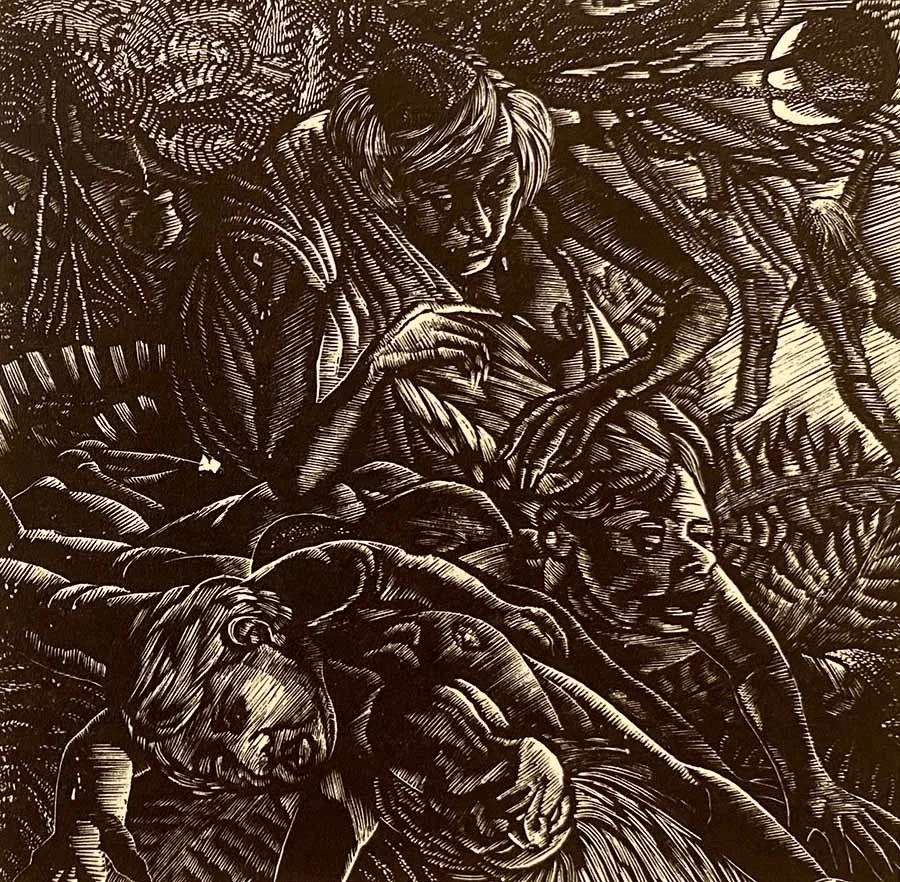
One of the most unsettling parts of the Black Annis legend is the association with children. Some traditional accounts describe her as a figure who frightened or threatened children who wandered near her dwelling. Other versions describe her as a dangerous hag who attacked people and animals. For children growing up in the region, a cave in the hillside could become something more than a geological feature. It could become the entrance to the home of a witch. Her story became a warning to stay away from the hills after dark.
Source: The Legend of Black Annis: Shadows Over Leicestershire
The origins of Black Annis are uncertain. Folklorists have proposed several possible influences, but there is no universally accepted explanation for how the legend began. Some interpretations connect her to older traditions of female supernatural beings, while others see her as a local witch legend shaped by the landscape and the fears of the community. There have also been attempts to connect Black Annis with ancient goddesses or pre-Christian religious figures. The legend may have developed through a mixture of local storytelling, older folklore motifs, and later traditions. That uncertainty is part of what makes the subject interesting.
Theories Behind the Legend
One possibility is that Black Annis developed as a traditional witch story associated with the Dane Hills. Witches were common figures in European folklore, and isolated caves or wooded hills often became settings for stories about supernatural beings. Black Annis’s appearance and frightening behaviour fit this tradition. The legend may also have served a practical purpose. Stories about dangerous creatures could discourage children from wandering into isolated areas, caves, or unfamiliar countryside.
In a time before modern safety systems, frightening stories were sometimes used to communicate warnings. Another interpretation connects Black Annis with older folklore about female spirits of the wilderness. Such beings appear in many European traditions, often associated with caves, forests, hills, or the changing seasons. Black Annis may share some of these themes. The story of Black Annis became popular in a poem by John Heyrick, given in full in County Folklore (1895)
’Tis said the soul of mortal man recoiled
To view Black Annis’ eye, so fierce and wild;
Vast talons, foul with human flesh, there grew
In place of hands, and features livid blue
Glared in her visage, whilst her obscene waist
Warm skins of human victims close embraced.
Not without terror they the cave survey,
Where hung the monstrous trophies of her sway;
’Tis said that in the rock large rooms were found,
Scooped with her claws beneath the flinty ground.
Source: Horrific Folklore – Black Annis the Murderous Hag.
The most likely explanation may be that Black Annis evolved gradually. A local story could have gained new details through retelling, seasonal customs, and changing cultural beliefs. Over generations, the legend became more elaborate. The blue face, claws, cave, and frightening reputation helped create the version remembered today. A legend does not need to be historically proven to reveal something about the people who told it. And Black Annis remains an intriguing example of how a landscape can become inseparable from a supernatural story.
The Winter Tradition of Black Annis
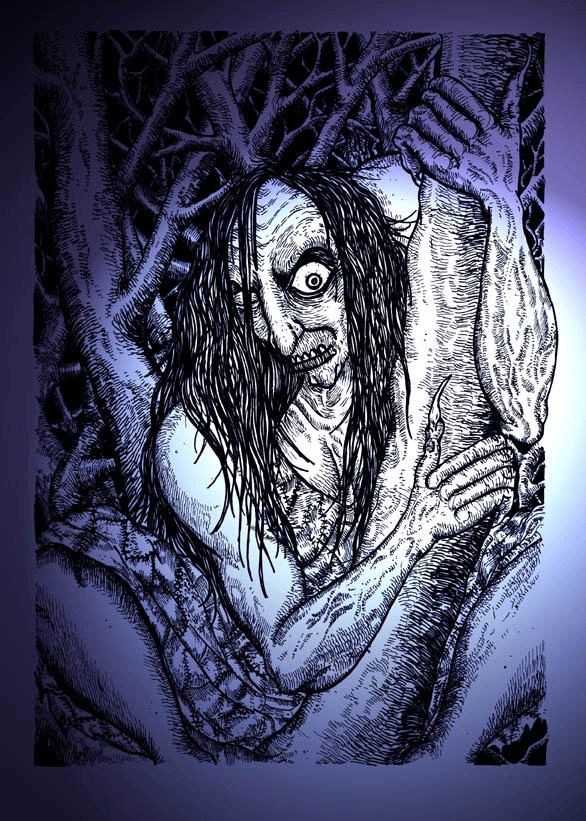
One of the most distinctive traditions associated with Black Annis was the custom known as the Black Annis’s Bower tradition. Historical accounts connect the legend with a wintertime custom in which people gathered around the area associated with her cave. Some versions describe a procession involving a figure representing Black Annis, sometimes portrayed as an old woman or a frightening creature. The tradition became part of a seasonal celebration that preserves fragments of an older local belief. Her name became popular among the customs and identity of the local community and perhaps that is the most fascinating part of Black Annis.
Also Read: Solway Spaceman Mystery: The 1964 Photo