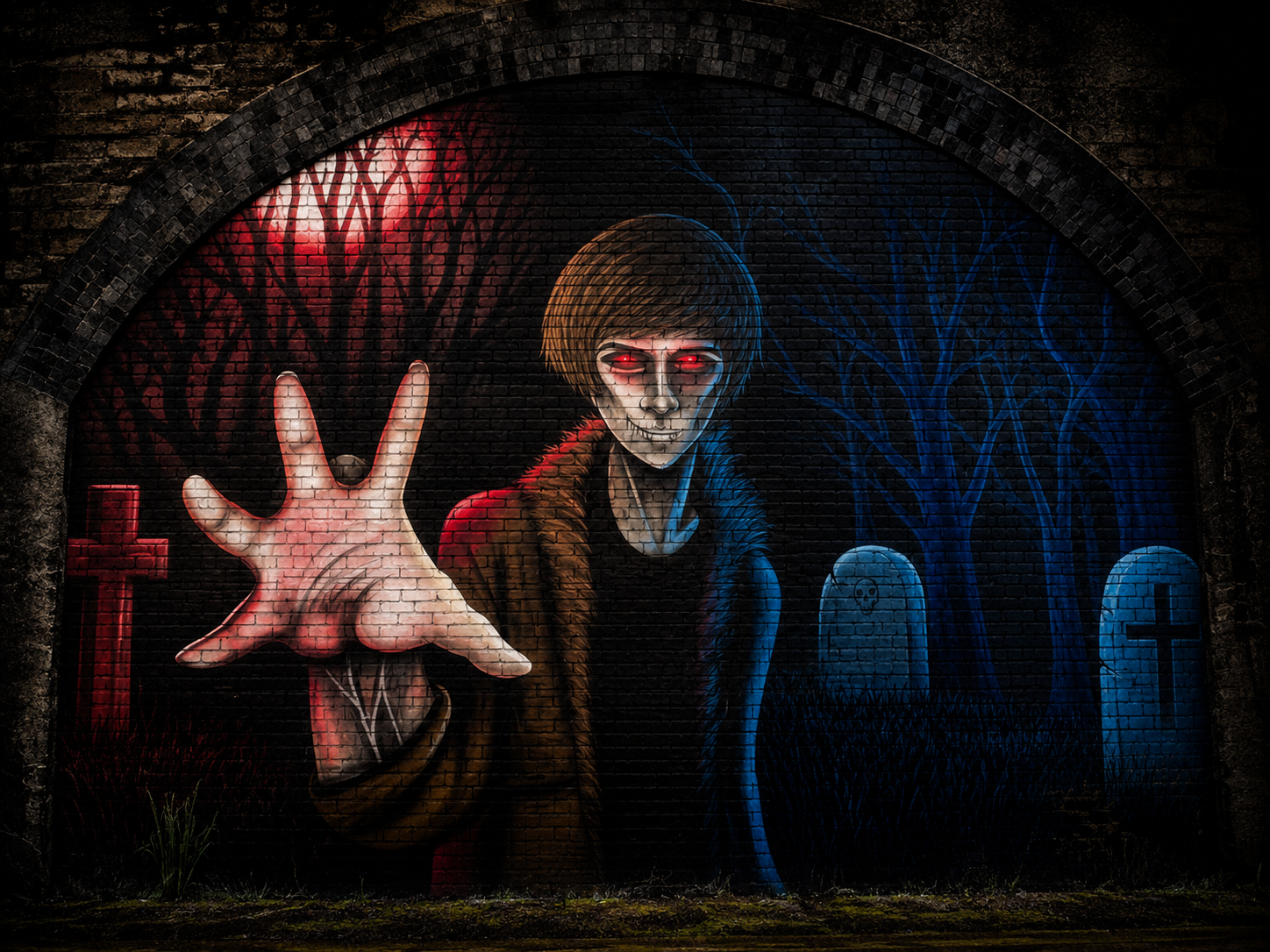
In mid-1950s Scotland, something extraordinary unfolded in Glasgow’s Gorbals district. Hundreds of children made their way towards the Southern Necropolis, carrying sticks, knives, stones and makeshift crosses. They were not there to play. They were hunting a vampire.
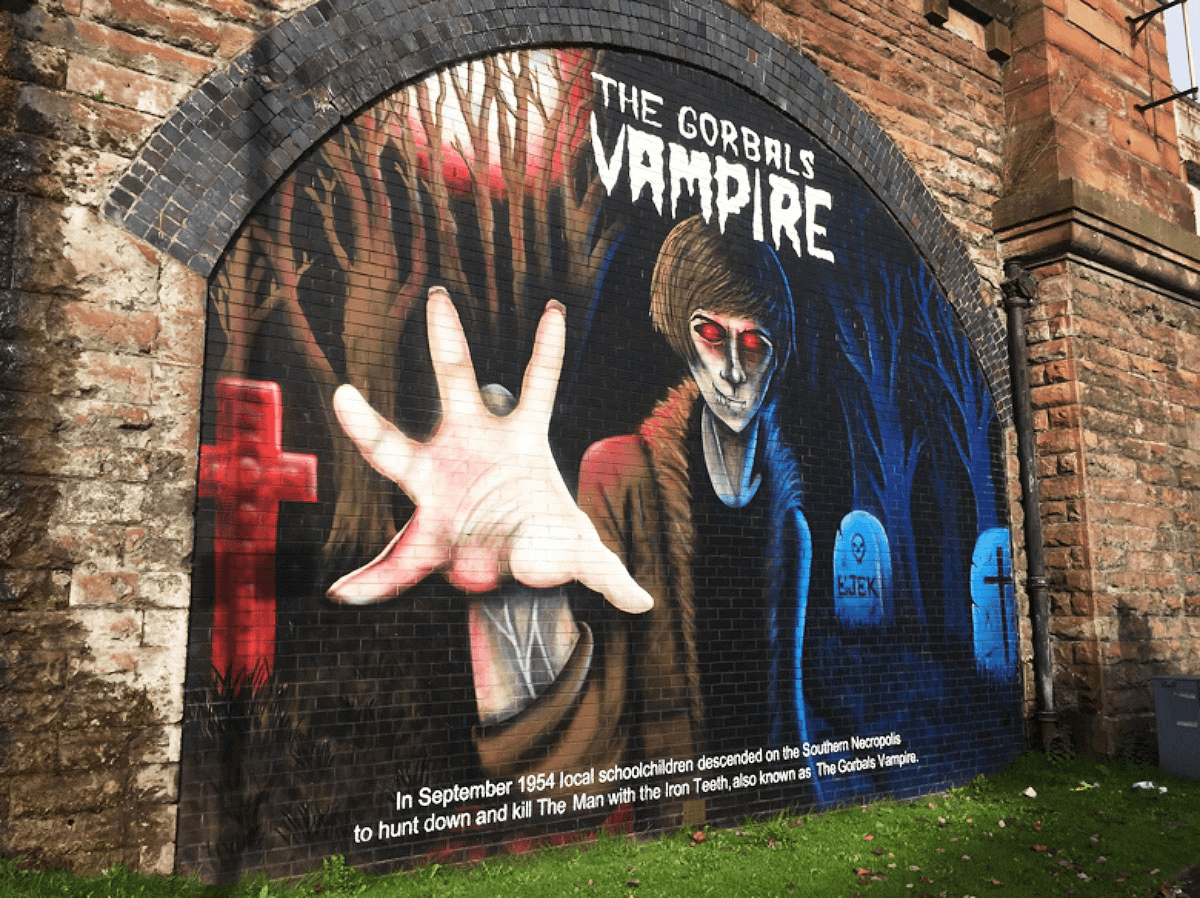
A terrifying rumour had spread through the neighbourhood: a seven-foot-tall vampire with iron teeth was hiding among the cemetery’s graves. It was said to have killed two young boys. As the story grew, so did the number of children determined to find the creature. But when the police arrived, they found something far stranger than a vampire. A crowd of children searching a cemetery for a monster that apparently never existed.
Also read: Kiyohime: The Dark Japanese Legend
The Legend of the Gorbals Vampire
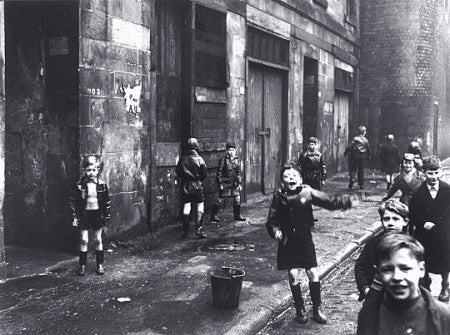
The Southern Necropolis was already an unsettling place for a childhood legend. The large Victorian cemetery stood amid the densely populated Gorbals, surrounded by Glasgow’s industrial landscape. According to the rumour, a monstrous figure had appeared inside the cemetery. It was unusually tall, possessed iron teeth and had supposedly attacked and eaten two local boys. No bodies were found. No missing boys were identified. Yet the story became convincing enough to send hundreds of children into the cemetery.
The Night the Children Went Hunting
On the evening of September 23, 1954, children reportedly gathered at the Southern Necropolis to search for the vampire. Some carried sticks and stones. Others brought knives or objects resembling weapons. A few reportedly carried crosses, apparently believing they could use them against the creature.
The situation was unusual enough to attract adults as well. The hunt did not simply disappear after one evening. Children returned to the cemetery, even after authorities attempted to prevent them from entering. Reports of the incident eventually reached the newspapers, transforming a playground rumour into a story that fascinated people far beyond the Gorbals.
Source: The Gorbals Vampire
How a Rumour Became Mass Hysteria
What began as a story among children had transformed into a mass hysteria. Hundreds of youngsters had accepted essentially the same frightening idea and acted upon it collectively. The details of the story may have changed as it travelled. One child might have heard about two missing boys, another about a giant creature, and another about its iron teeth. With each retelling, the legend could become more vivid and believable.
Fear itself then helped reinforce the story. Once children saw hundreds of others searching for the vampire, the sheer size of the crowd could make the rumour seem credible. If so many people believed it, perhaps there really was something to fear.
Where Did the Iron Teeth Come From?
The strange description of the vampire may not have been entirely new. Researchers have pointed towards an older Scottish bogey figure known as Jenny wi’ the Airn Teeth, or Jenny with the Iron Teeth. Stories of Jenny had long been used to frighten children into going to sleep.
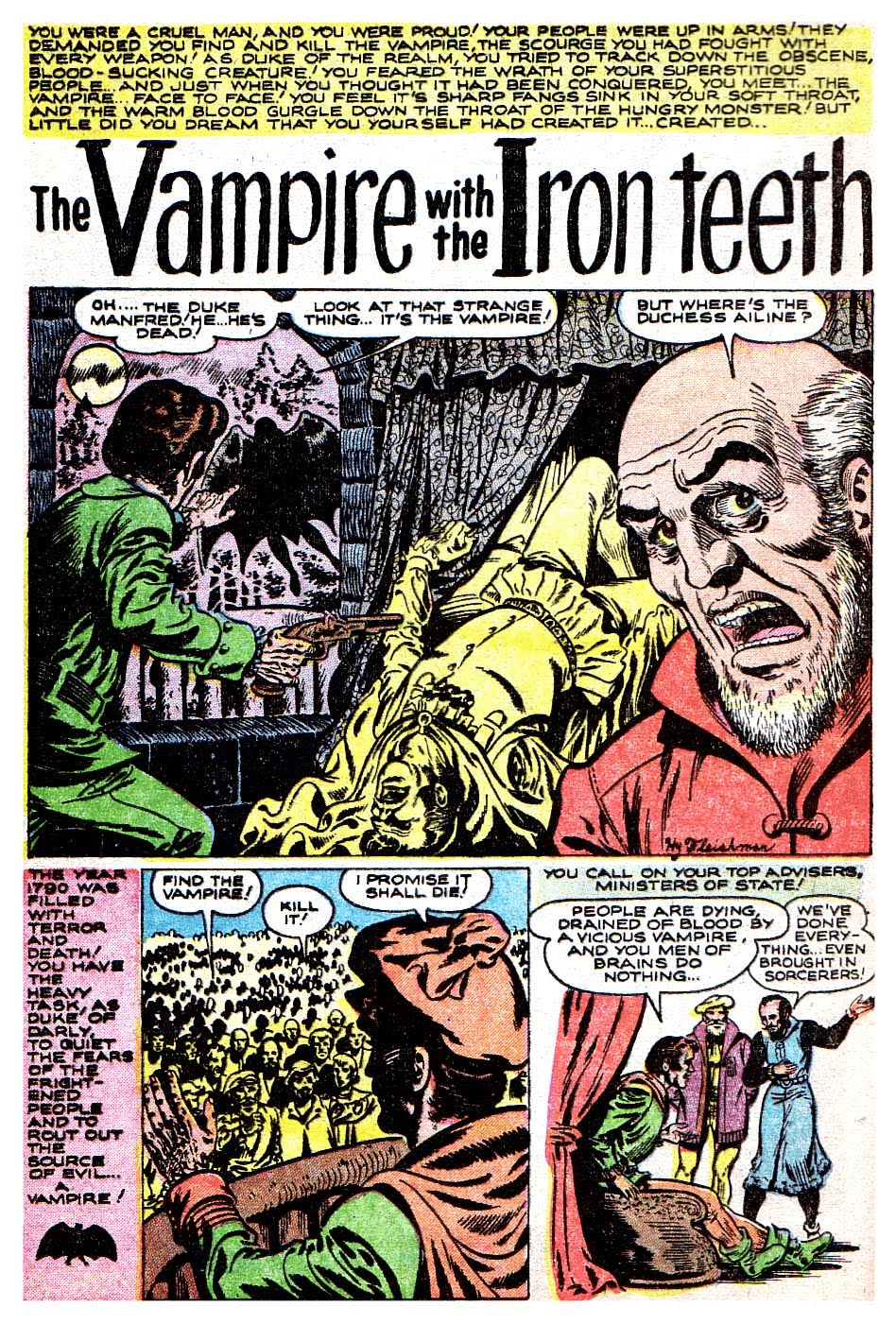
There was also a 1953 American horror comic featuring a story titled The Vampire with the Iron Teeth. This led to speculation that comics had inspired the Gorbals children. However, the connection has never been conclusively established.
From Vampire Hunt to Moral Panic
The incident soon became part of a much larger argument about children’s entertainment. Politicians and campaigners used the Gorbals Vampire story while arguing that horror comics were harmful to young readers. The controversy contributed to the passage of the Children and Young Persons (Harmful Publications) Act 1955, which restricted publications considered harmful to children.
Source: The Gorbals Vampire
The Monster That Wasn’t There
There is no credible evidence that a supernatural creature lived in the Southern Necropolis. No vampire was captured. No bodies belonging to the supposedly murdered children were discovered. No confirmed disappearances supported the central claim of the story. What actually happened, however, is almost as fascinating.
Hundreds of children really did gather in a Glasgow cemetery to hunt an imaginary monster. Police really did respond to the disturbance. Newspapers really did report the strange episode. And the story became influential enough to enter Britain’s debate over children’s comics and censorship. The Gorbals Vampire therefore survives not as evidence of the supernatural, but as an extraordinary example of how children of Glasgow came together to fight and protect.
The monster may never have existed. The hunt certainly did.
Also read: Munjya: The Child Spirit of the Trees