In the villages of Maharashtra, some old stories are not meant to be told after dark. The legend of Munjya is one of them. Something is unsettling about a story in which the supernatural does not come from a distant haunted mansion or an ancient cemetery. It comes from a tree.
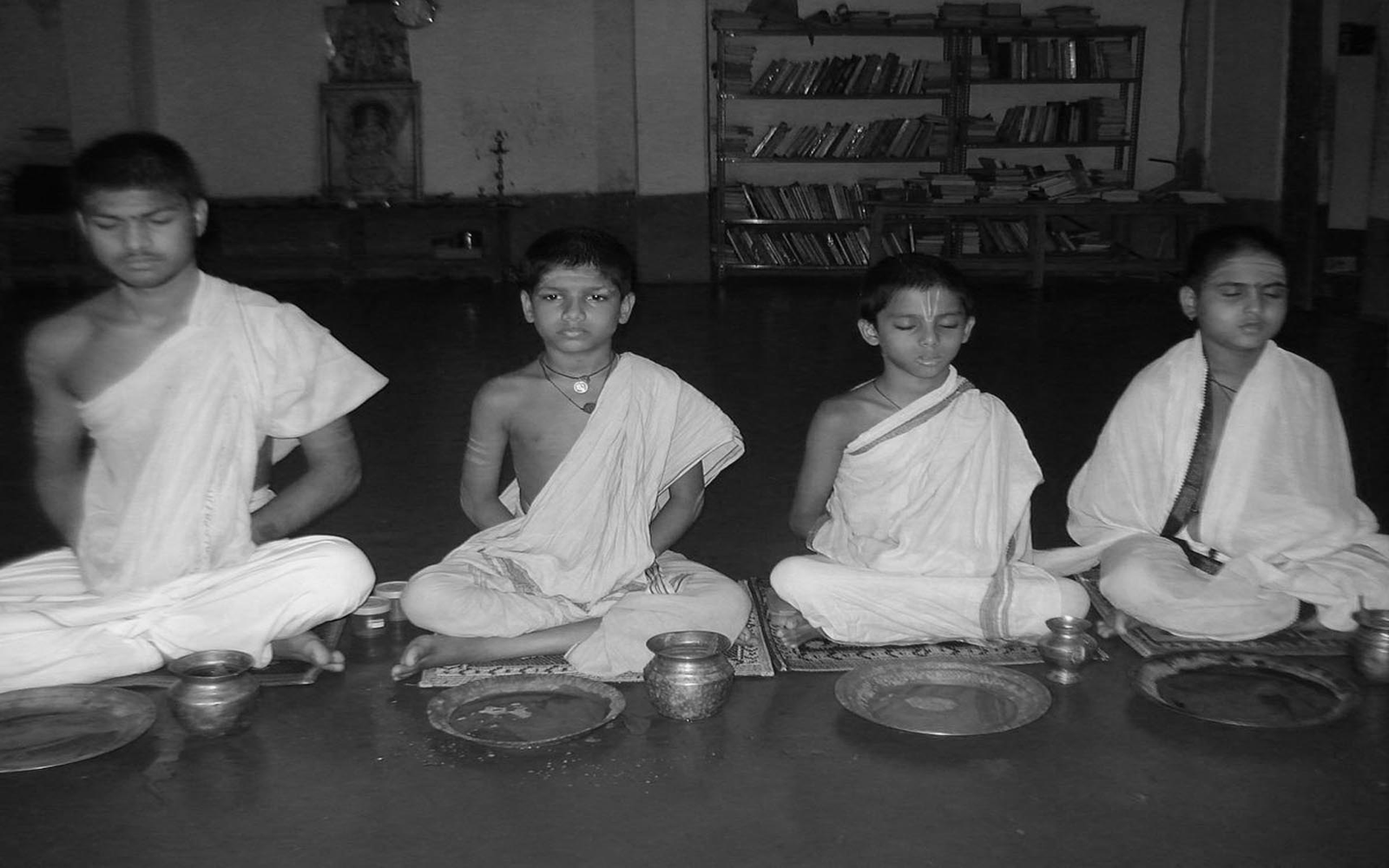
For generations, parts of Maharashtra have carried stories of a strange spirit known as Munjya, a restless presence associated with a boy who dies around the time of his sacred thread ceremony, or upanayanam. Unlike the monstrous creatures of horror stories, this spirit is often imagined as something far more peculiar- a spirit with the behavior of a child.
Mischievous.
Restless.
And, according to folklore, sometimes dangerous.
Also Read: Utsuro-bune: The Strange Woman Who Arrived From the Sea
What is Upanayanam?
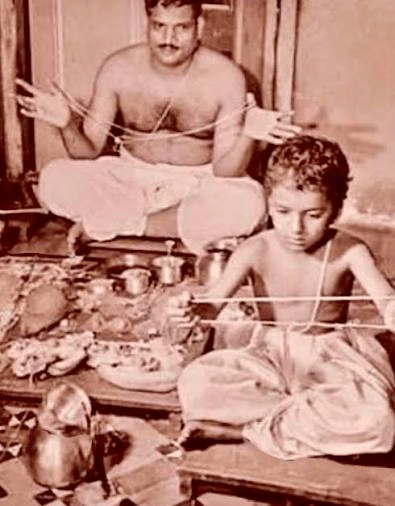
Upanayanam is a Hindu initiation ceremony traditionally marking a boy’s entry into a formal stage of religious and educational life. The child and family prepare for the ceremony, with ritual bathing and prayers. Then comes Sankalpa, a formal declaration of the intention to perform the ceremony. Prayers and offerings are often made before a ceremonial fire. The next step of the ritual is the yajnopavita, a thread worn across the body, which is formally given to the initiate.
Source: Munja (Brahmadaitya) – The holy tormentor ghost
The teacher or father introduces the child to the Gayatri mantra in a private ritual. Traditionally, the initiate is taught principles of self-discipline, study, respect, and responsibility. In some traditions, the newly initiated child symbolically asks family members for alms, representing humility and dependence on teachers and family.
The Boy Who Never Grew Up and Became Munjya
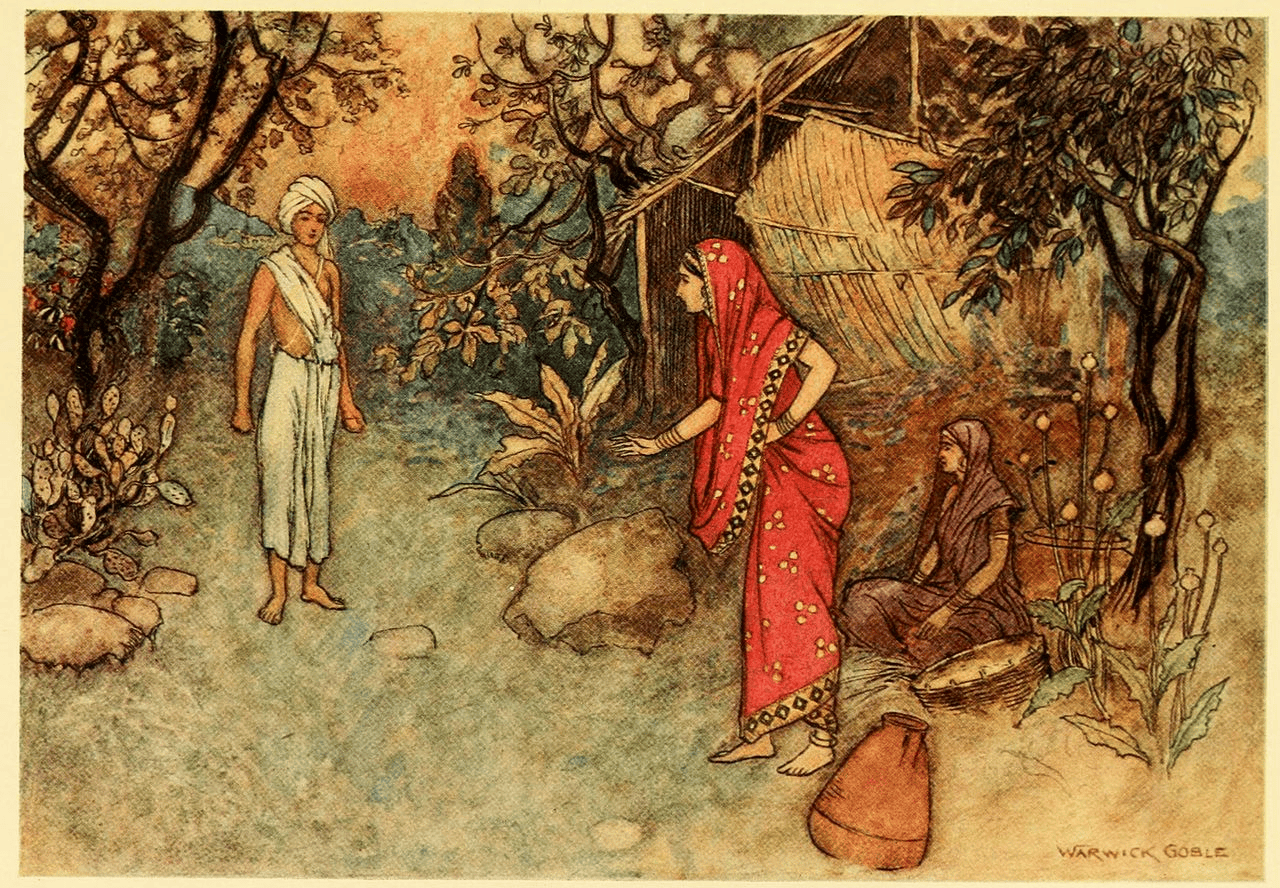
The word Munjya is associated with munj, a sacred grass used in the thread ceremony. In traditional belief, the ceremony marked an important transition in a boy’s life. But what happens, according to the legend, if death comes before that transition is completed? The story offers an unsettling answer. The boy’s spirit may remain caught between stages of life. Unable to move on. Unable to become what he was supposed to become. And so, the Munjya remains as a restless childlike spirit.
The Tree in the Darkness
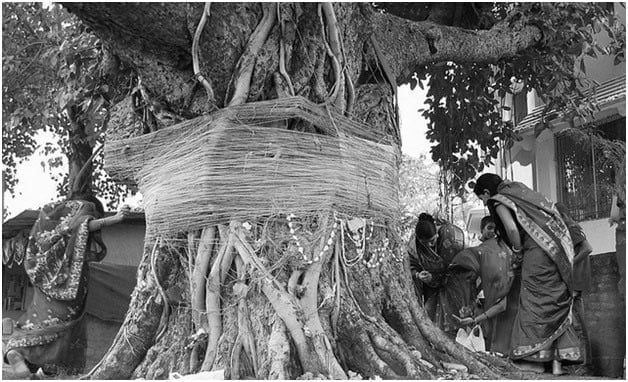
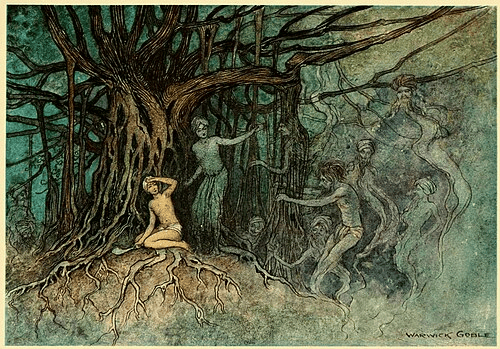
Munjya is said to linger on Trees. Old trees standing away from houses, roads, and village paths have long occupied an important place in Indian folklore. For this spirit, these trees can become a supposed home. It is said that when someone passes by a tree after sunset, the person will hear the sound of leaves from above. Then something shifts in the branches. When they look up, there is nothing. If they continue to walk, another sound follows. Folklore says this is the kind of encounter in which the spirit may reveal itself.
Source: The Legend of Munja or Munjya: A Demon of Brahmanic Origin
This is unusual because the spirit is not always portrayed as a purely malevolent entity. Some stories describe it as mischievous and troublesome, behaving more like a child. It may disturb people, create strange noises, or play tricks on those who encounter it. But that childish nature is what makes the legend particularly eerie. There is something deeply unsettling about imagining an invisible presence behaving like a child in the darkness. No one can predict what it will do.
The Legend That Refused to Disappear
Stories passed from one generation to another could turn these experiences into supernatural warnings. A child might be told: Don’t go near that tree after dark. And behind that warning was a story. The story became a legend. The legend became part of the landscape. Was it a way to explain strange sounds around isolated trees? Or a warning to children not to wander at night? There is never an exact answer. But if you ever find yourself walking beneath an enormous tree on a silent road after sunset, you might think twice before looking up.
Also Read: Kiyohime: The Dark Japanese Legend