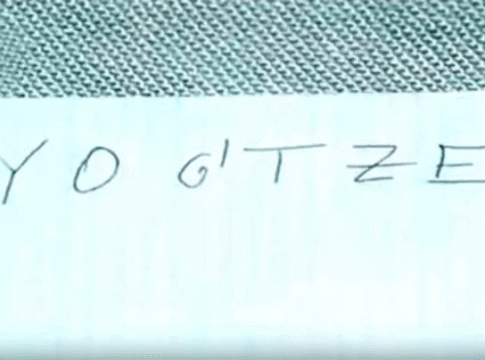
A promising opportunity. A sudden disappearance. The Wang Xing case quickly transformed from the story of one missing actor into an international investigation that drew attention to one of Southeast Asia’s most disturbing criminal enterprises. What initially appeared to be a routine overseas work trip soon revealed allegations of deception, trafficking, and organised scam operations operating across borders.

As authorities pieced together the events leading to Wang Xing’s disappearance, the case sparked widespread debate about the dangers of fake job offers and the growing influence of criminal syndicates exploiting vulnerable job seekers.
Also read: The Frog Boys (1991): South Korea’s Mysterious Unsolved Case
Who Is Wang Xing?
Wang Xing, also known by his stage name Xingxing, is a Chinese actor who gained attention for appearing in supporting television roles. Although not among China’s biggest celebrities, he had built a respectable acting career and continued searching for new opportunities in the entertainment industry. That search would eventually lead him to accept what appeared to be a legitimate casting opportunity abroad, a decision that would prove to be a wrong turn.
The Job Offer That Changed Everything
By late December of 2024, Wang Xing reportedly received an offer through a group chat from people who claimed to be coordinators from GMM Grammy, Thailand’s largest entertainment company, for an acting role that required him to travel to Thailand. The opportunity appeared convincing enough to proceed, and he travelled expecting to attend work related to the production.
Wang arrived at the Bangkok Suvarnabhumi Airport around 2 a.m. on January 3, 2025. At around 3:40 a.m., he left in a vehicle supposedly arranged by GMM Grammy for the opening ceremony. He remained in contact with Jiajia, his girlfriend, throughout the journey, regularly sharing his live location. However, at around 11 a.m., all communication suddenly stopped, with his last known location in Mae Sot district near the Thai–Myanmar border. He was then transferred to another vehicle. Communication with him suddenly stopped.
His disappearance alarmed his family and girlfriend, who appealed to authorities for help. Jiajia’s post on the Chinese social media platform Weibo attracted widespread attention from the public as well as the Chinese film industry about Wang’s disappearance. As public attention intensified, Chinese social media users began sharing his story, turning the missing actor into national news within days.
Source: Chinese actor Wang Xing, suspected to have been lured into Myanmar scam centre, found
A Search Across Borders
Chinese and Thai authorities worked together after Wang Xing was reported missing. Investigators soon discovered evidence suggesting that he had not remained where he intended to stay. Instead, reports indicated he had been transported across the border into Myanmar, an area that has repeatedly been linked to organised scam compounds operating under the control of criminal groups. Rather than an ordinary missing-person case, authorities began treating the incident as part of a much larger network involving fraudulent recruitment and cross-border trafficking.
Fortunately, Wang Xing was located alive only days after his disappearance. Authorities recovered him from Myanmar and returned him safely to Thailand before arrangements were made for his return to China. Images released after his rescue showed that his head had been shaved, a detail commonly associated with victims allegedly forced into scam compounds. Although the exact circumstances of his confinement were not fully disclosed, officials indicated that the investigation was connected to organised criminal operations targeting foreign nationals through fake employment opportunities.
Scam Compounds and Human Trafficking Allegations
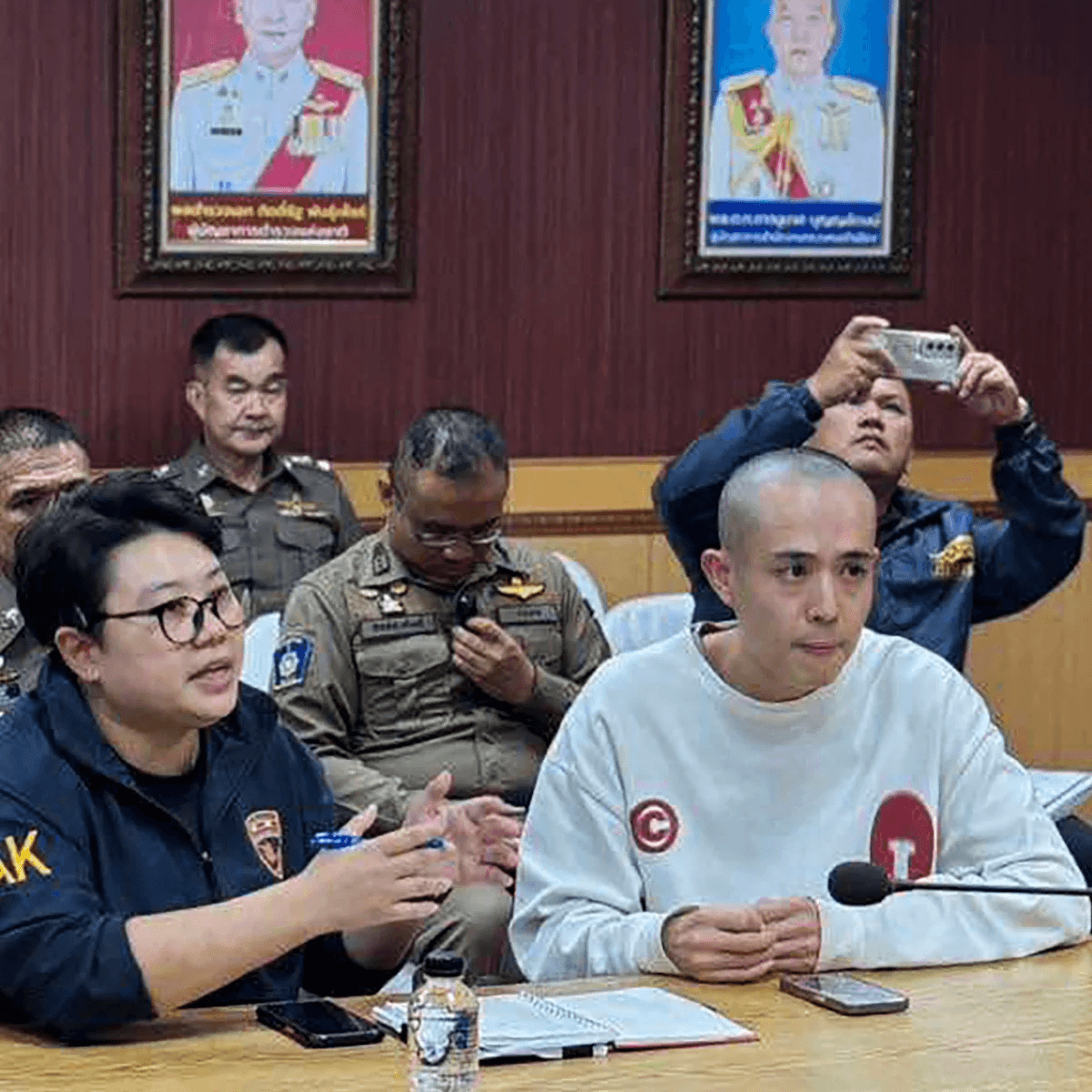
The Wang Xing case drew renewed attention to scam compounds located near the Myanmar–Thailand border. Authorities and international organisations have reported that many victims are lured through fake advertisements promising well-paid jobs in entertainment, technology, customer service, or other industries. After arriving, some are allegedly transported across borders, have their passports confiscated, and are forced to participate in online fraud schemes under threats of violence. Victims often face severe restrictions on movement, making escape extremely difficult. While these compounds have been under scrutiny for years, Wang Xing’s disappearance brought unprecedented public awareness to the issue in China.
Public Reaction and Government Response
The incident generated enormous discussion across Chinese social media, with many users questioning the safety of overseas recruitment offers. Thai authorities, facing intense scrutiny over tourism safety and human trafficking risks, pledged to “properly handle” the case, tightened legal frameworks, and publicly stressed their commitment to safeguarding foreign visitors.
Thai police also detained several Chinese nationals believed to be part of the telecom-fraud operations in Myawaddy, Myanmar.
The case also encouraged greater cooperation between regional law enforcement agencies investigating organized crime and human trafficking networks operating across Southeast Asia.
Source: Thai police say Chinese actor was trafficked to Myanmar to work in a scam operation
Why the Wang Xing Case Matters
The Wang Xing case is about far more than the disappearance of a single actor. It exposed how criminal organisations can exploit seemingly legitimate job offers to lure victims across international borders. It also demonstrated the speed with which online attention can amplify missing-person investigations and pressure authorities into coordinated action.
Although Wang Xing was fortunate to return home safely, countless others remain missing or trapped in similar circumstances, according to international reports on trafficking and scam compounds. His story serves as a reminder that even opportunities appearing genuine deserve careful verification, particularly when they involve overseas travel arranged through unfamiliar contacts.