Two small stone heads were unearthed in an ordinary English garden. Within weeks, the family claimed strange creatures, unexplained noises, and terrifying encounters were haunting them. Were the Hexham Heads merely carved stones—or did they awaken something far older?
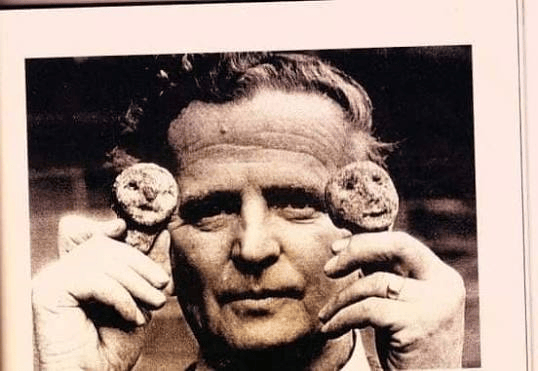
It was an ordinary summer day in 1971 in the quiet market town of Hexham, Northumberland, England. Eleven-year-old Colin Robson and his younger brother Leslie were helping their father in the backyard of their family home on Dere Street, a road that had once formed part of an ancient Roman route. As the boys dug through the soil, their shovel struck something solid. Expecting an old rock, they instead uncovered two small stone heads, each no larger than a tennis ball. Their crude, unsettling faces appeared almost human, but not quite. One had a grim expression, while the other seemed strangely feminine, with carved hair and hollow eyes that appeared to follow anyone who looked at them.
Also Read: Poisoned Candy and the Monster with 21 Faces
The Hexham Heads Started Strange Events
The two stone carvings measured roughly 5-8 centimeters (2–3 inches) tall and were made from a type of sandstone. Their appearance was unusual. The stones had roughly carved facial features with oversized eyes and flattened noses. There are no known historical markings on them. The Robson family believed they looked ancient. Colin proudly displayed the heads in his bedroom, never imagining they would soon become the source of terrifying stories.
According to the Robson family, the atmosphere inside the house changed shortly after the discovery. The children began waking during the night after suffering horrifying nightmares. They also reported hearing unexplained scratching sounds. Doors reportedly opened by themselves. Objects were allegedly found in different places. One family member even claimed that the heads occasionally changed position without anyone touching them. As fear spread through the household, the family began wondering whether the strange carvings had somehow brought an unseen presence into their home. Was It a Person or Something Else? remains unanswered.
Source: The Horrifying Hexham Heads
The Creature in the Night
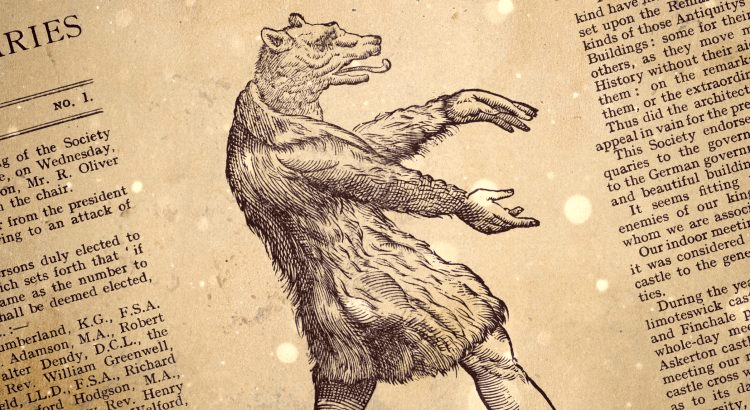
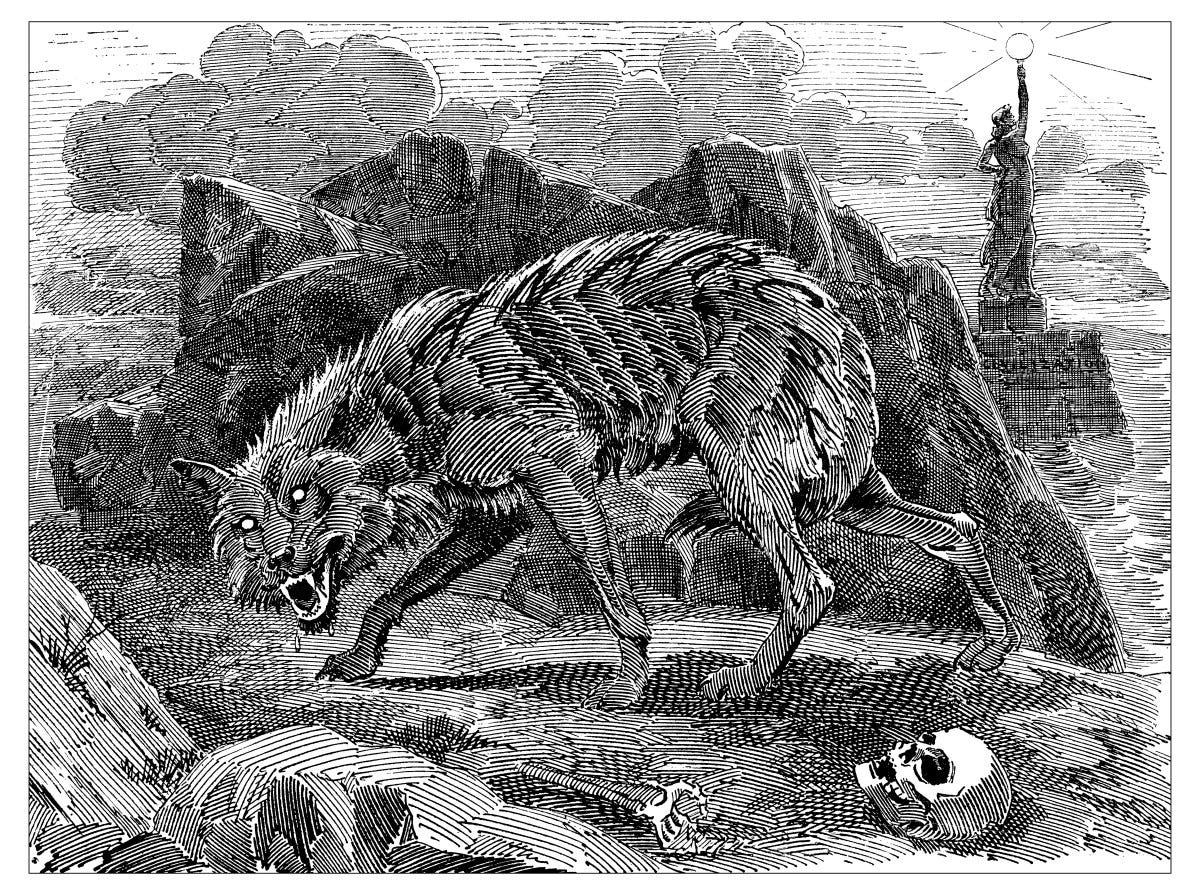
The most disturbing claims came from Diana Robson, the boys’ mother. She described hearing heavy movement outside the house late one evening. Looking through the window, she claimed to see a large animal unlike anything she had ever encountered. However, the descriptions varied. The creature was often portrayed as standing unusually tall and covered in dark hair. It had glowing or reflective eyes and moved on all fours before rising upright. It was like a werewolf, almost. The alleged sightings soon became known as the Hexham Werewolf. No physical evidence was ever found.
Was It Really a Werewolf?
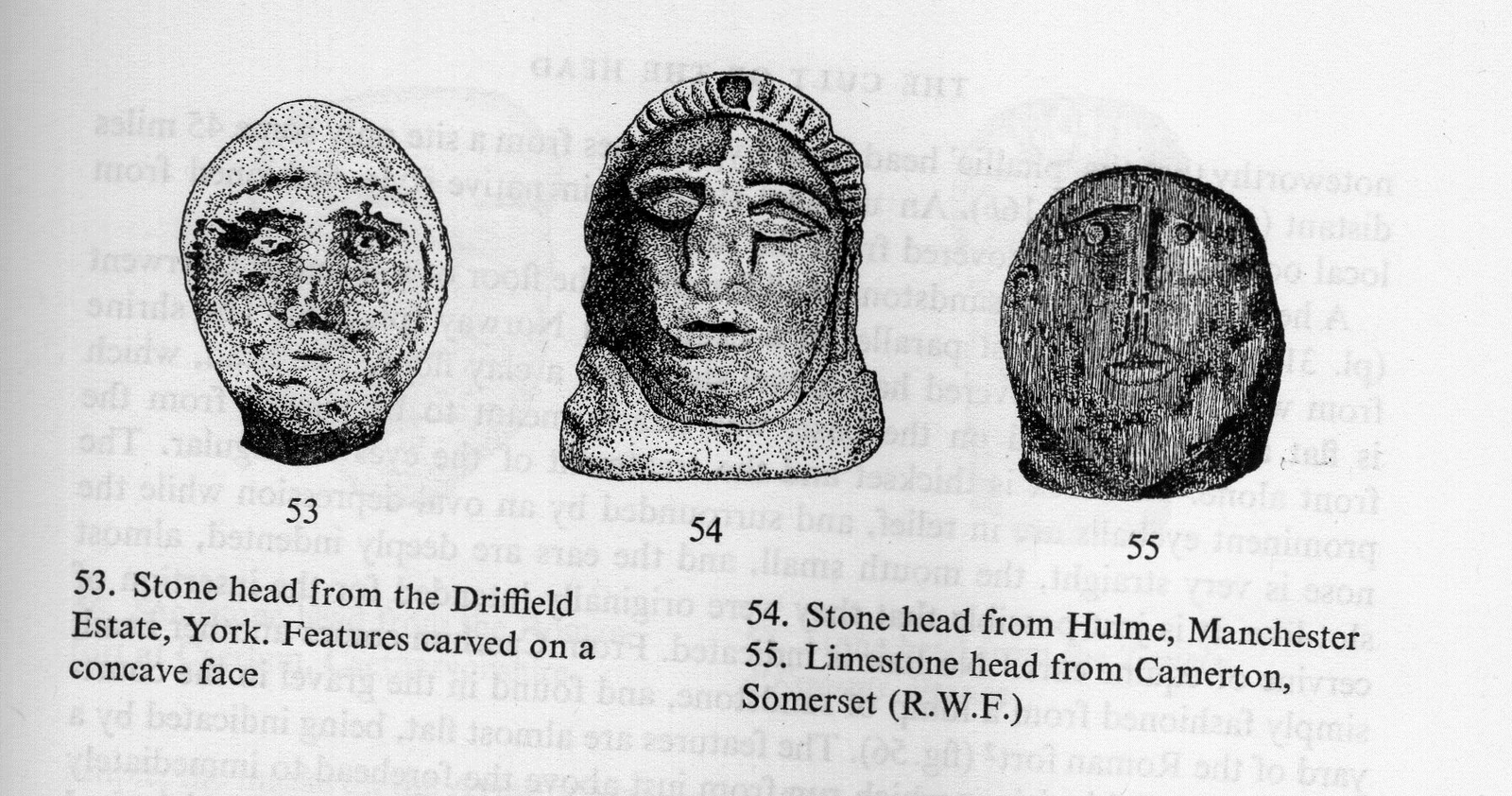
As the story spread, paranormal investigators became fascinated. Authors and researchers believed the stone heads might represent Celtic deities connected with ancient rituals. Researchers also suggested they could have been linked to long-forgotten religious practices dating back to Roman Britain. This theory fueled more speculation. However, most historians remain skeptical of any supernatural interpretation.
Not everyone believed the family had encountered something paranormal. Several investigators proposed that the mysterious figure may have been a large stray dog or a sheep that had wandered nearby. It could also be a frightened observer misinterpreting shadows during the night. Psychologists refer to this as expectation bias; once people believe something unusual is happening, ordinary events may begin to feel extraordinary.
Source: The Hexham Heads
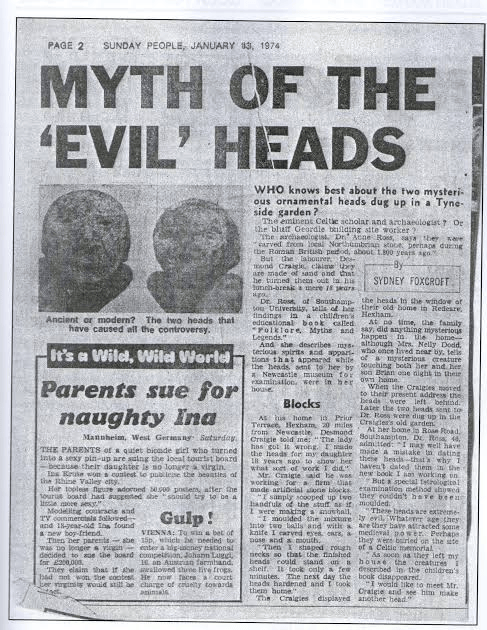
The stone heads eventually came into the possession of Dr. Anne Ross, an archaeologist with an interest in Celtic history. Ross believed they resembled Iron Age carvings, though other archaeologists disagreed. Later examinations concluded that the heads were probably not ancient Celtic artifacts at all. Without a confirmed origin, the mystery only deepened. Then came another twist. At some point after being studied, the Hexham Heads disappeared. Their exact whereabouts remain unknown. Whether misplaced, stolen, or quietly discarded has never been conclusively established. Because the original artifacts are missing, modern scientific analysis is impossible.
Also Read: Mary Celeste: Fact, Fiction and Mystery