On the evening of March 18, 1984, what appeared to be a targeted kidnapping quickly turned into one of Japan’s most disturbing criminal investigations. Over the next 17 months, anonymous criminals terrorised some of the country’s biggest food manufacturers with ransom demands, arson attacks, poisoned confectionery, and mocking letters sent directly to the Japanese newspapers and police.
The perpetrators called themselves “The Monster with 21 Faces,” a reference to the famous fictional villain from the Japanese mystery writer Edogawa Ranpo’s novels. Despite one of the largest investigations in Japanese history, they vanished without leaving behind a definitive identity or motive.
Also read: Mary Celeste: Fact, Fiction and Mystery
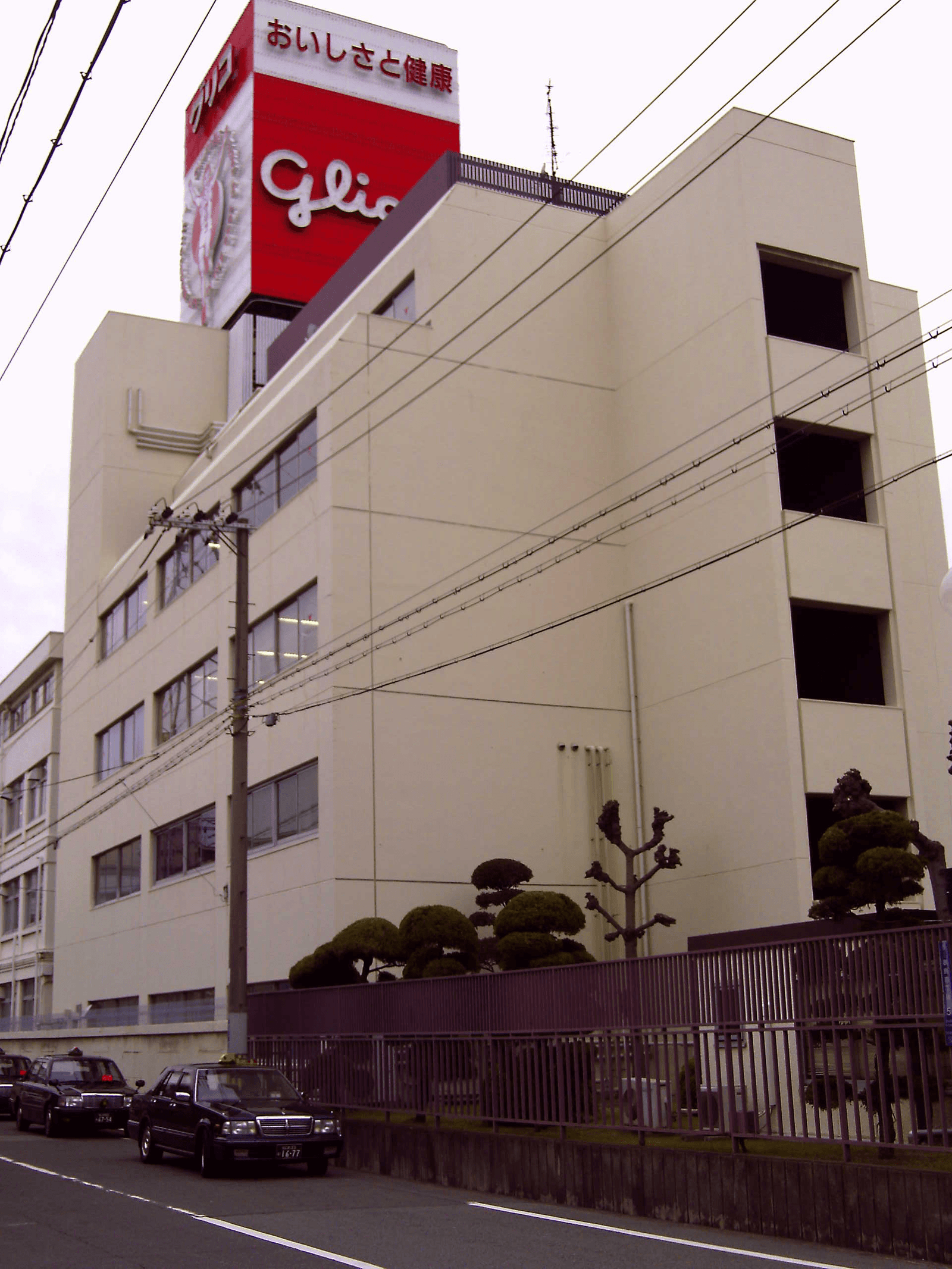
It all started with two armed and masked men who forced their way into the confectionary giant Ezaki Glico’s then-president, Katsuhisa Ezaki’s family home near Osaka. They tied up his wife and daughter, and abducted Ezaki while he was taking a bath. Shortly afterward, the kidnappers demanded 1 billion yen in cash and 100 kilograms of gold in exchange for his release.
Remarkably, Ezaki escaped from the warehouse on March 21, 1984, where he was being held, apparently ending the kidnapping without a ransom payment. But for the criminals, the kidnapping was only the opening act.
“The Monster with 21 Faces”
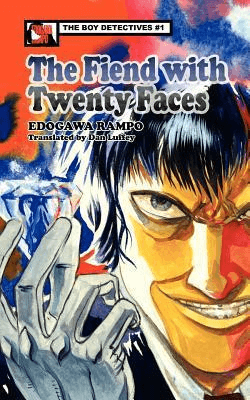
Weeks later, Glico began receiving bizarre letters from an anonymous individual or perhaps a group, calling themselves “The Monster with 21 Faces.” The letters mocked investigators, ridiculed the police, and claimed responsibility for contaminating Glico products with potassium cyanide. The group also reportedly used arson to terrorise the company.
The threat of lacing cyanide remained uncertain, but the possibility alone forced Glico to recall products nationwide. The financial damage was severe. A large number of products were removed from shelves, and the company reportedly incurred significant losses, while hundreds of part-time workers lost their jobs.
The pattern remained remarkably consistent:
Anonymous letters
Elaborate ransom instructions
Poisoning threats
Public taunts directed at police
Carefully planned surveillance of ransom drop locations
The Targets Expand
After unexpectedly announcing that they had “forgiven” Glico, the criminals shifted their attention elsewhere. By September 1984, Morinaga & Co. soon became the next major target, giving the case the name by which it is now remembered. Other companies, including House Foods, Marudai Ham and Fujiya, also received extortion demands and threats. By October, the group sent letters to newspapers addressed to “To moms throughout Japan,” alleging the poisoning of Morinaga candies.
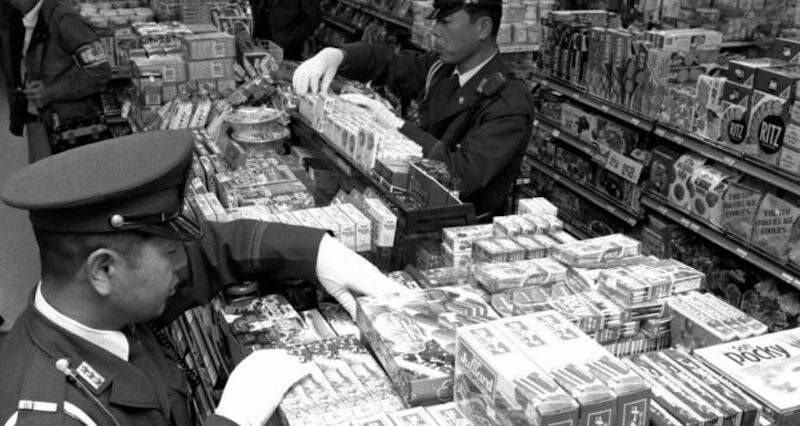
Investigators eventually found actual poisoned confectionery. Some packages of candy and cookies were discovered on supermarket shelves containing lethal amounts of cyanide. Disturbingly, several were clearly labeled with warnings such as:
Danger- Cyanide!
The Fox-Eyed Man
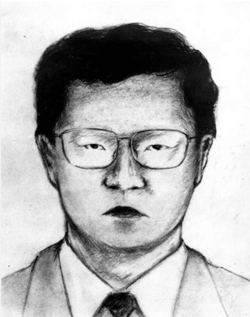
Perhaps the most famous figure associated with the investigation is the unidentified “Fox-Eyed Man” as the suspect. During one failed ransom exchange, investigators spotted a suspicious man calmly observing the operation from a nearby vehicle while listening to police radio communications through headphones. When officers approached, he escaped.
Police later released a composite sketch showing a thin-faced man with distinctive narrow eyes. Despite widespread publicity, he was never identified, and it remains unclear whether he was the mastermind, an accomplice, or merely someone connected to the extortion campaign.
An Investigation on an Unprecedented Scale
Japanese authorities launched one of the largest criminal investigations in the country’s history. At its peak, it involved 1,300,000+ officers throughout the case timeline, extensive surveillance operations, and well over 125,000+ individual suspects. Police monitored ransom drops and analyzed anonymous letters, but none could be conclusively linked to the crimes. The relentless psychological pressure to catch the anonymous perpetrators tragically led to the death of the superintendent working on the case. Following his death, the group mocked the police one last time through letters stating they were “satisfied” with the chaos they caused before eventually vanishing and never showing up to admit to the crime.
Legacy of the Glico-Morinaga Case
The Glico-Morinaga case left a lasting mark on Japan. Both Ezaki Glico and Morinaga suffered massive losses. It transformed food safety practices, influenced corporate crisis management, and demonstrated how psychological warfare could create nationwide panic without causing mass casualties. More than forty years later, the identity of the “Monster with 21 Faces” remains unknown and the case, unsolved.
Also read: Matthew Johnson and Jennifer Gledhill: Evidence and Allegations