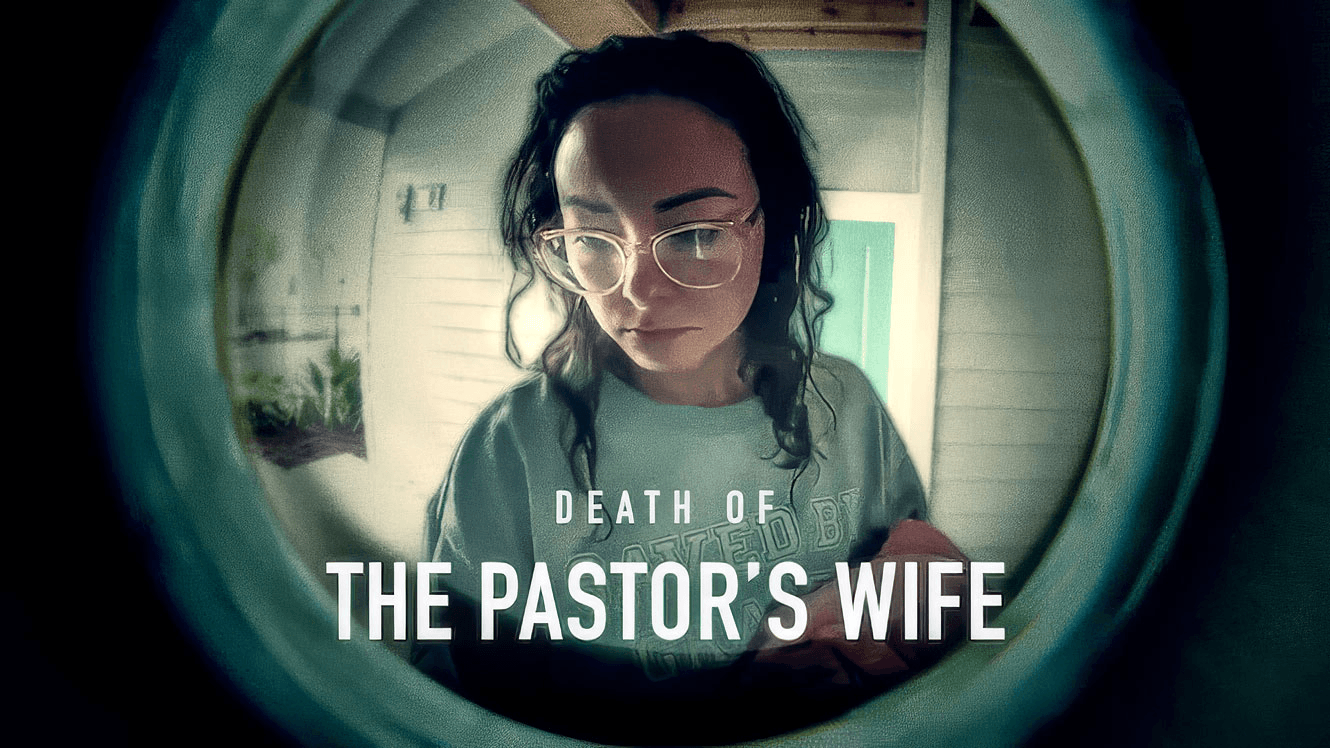
What happens when a seemingly perfect life begins to fall apart behind closed doors? Death of the Pastor’s Wife, Netflix’s three-part true crime documentary, examines the life and death of Mica Miller, a young woman whose marriage to a pastor became increasingly complicated. Released on August 26, 2026, the series revisits the events surrounding Mica’s death and the questions that followed.

Rather than presenting the case simply as a mystery surrounding one tragic death, the documentary looks closely at Mica’s life, her marriage and the people who knew her. Through interviews, personal material and previously unseen footage, the series attempts to reconstruct what happened in the years leading up to her death while also examining the allegations of control and manipulation within her marriage.
Also Read: Freefall: A Reckoning for Boeing (2026) Review
Who Was Mica Miller?

Mica Miller was a 30-year-old worship leader who became known through her connection to Solid Rock Church in Myrtle Beach, South Carolina. Her life appeared closely connected to her faith and the church community, but her marriage to pastor John-Paul “JP” Miller eventually became increasingly troubled. On April 27, 2024, Mica was found dead at Lumber River State Park in North Carolina. Her death was ruled a suicide. However, the circumstances surrounding it led to intense public attention and continued questions from her family and supporters.
The documentary explores those questions without reducing Mica to the circumstances of her death. Filmmakers Michael Gasparro and Julia Willoughby Nason used firsthand accounts, personal writings, text messages, police records and other material to reconstruct the events leading up to the tragedy. It traces their relationship from its early years through the deterioration of their marriage. It also gives considerable attention to Mica’s own perspective, drawing from journals, messages and other personal material to show a side of her life that was not always visible to those around her. The series ultimately leaves viewers considering not only what happened to Mica, but also whether the warning signs surrounding her situation were recognised in time.
Source: The Heartbreaking True Story of Mica Miller and Netflix’s Death of the Pastor’s Wife
A Marriage Behind Closed Doors
One of the central themes of Death of the Pastor’s Wife is the difference between what a relationship looks like publicly and what may be happening privately. Mica’s family and friends describe a marriage that they say became increasingly controlling, while the series examines how faith, loyalty and the power of a church community complicated her attempts to move forward.
The documentary does not focus solely on the final days of Mica’s life. Instead, it spends time building the story of her relationship and the circumstances that surrounded her decision to leave. This approach makes the series as much an examination of coercive control and institutional power as it is a true crime investigation.
The Bigger Questions Behind the Case
Beyond the details of Mica Miller’s story, Death of the Pastor’s Wife also raises broader questions about relationships, power and the difficulties of recognising abuse from the outside. The three-part documentary shows how complicated personal situations can become when private struggles intersect with family, religion and a close-knit community.
For viewers discovering the case through Netflix, the series provides a closer look at the events that made Mica’s story a subject of widespread attention. It also keeps the focus on the people and relationships at the heart of the case, rather than turning the tragedy into a simple mystery with an easy answer. Ultimately, Death of the Pastor’s Wife is a difficult watch because the story extends far beyond the headlines surrounding Mica Miller’s death. It leaves viewers with a deeper understanding of the circumstances leading up to the tragedy and the questions that continued to surround her story long afterwards.
With only three episodes, the documentary is relatively concise, but its subject matter is difficult and emotionally heavy. It is less about delivering a conventional mystery with a neat conclusion and more about understanding the life behind the headlines.