On a quiet farmstead in rural Bavaria, a series of unsettling events unfolded. In March 1922, the Gruber family reportedly noticed strange footprints in the snow, heard footsteps in the attic, and found signs that someone had been around their isolated farm. Then, on the night of March 31, six people at Hinterkaifeck were murdered.

More than a century later, the Hinterkaifeck murders remain unsolved. The case has become famous not only because of the brutality of the killings, but because of the strange circumstances surrounding them. And the possibility that the murderer remained at the farm after the crime.
Also Read: Jennifer Kesse: Vanished Between Home and Work
What Happened at Hinterkaifeck
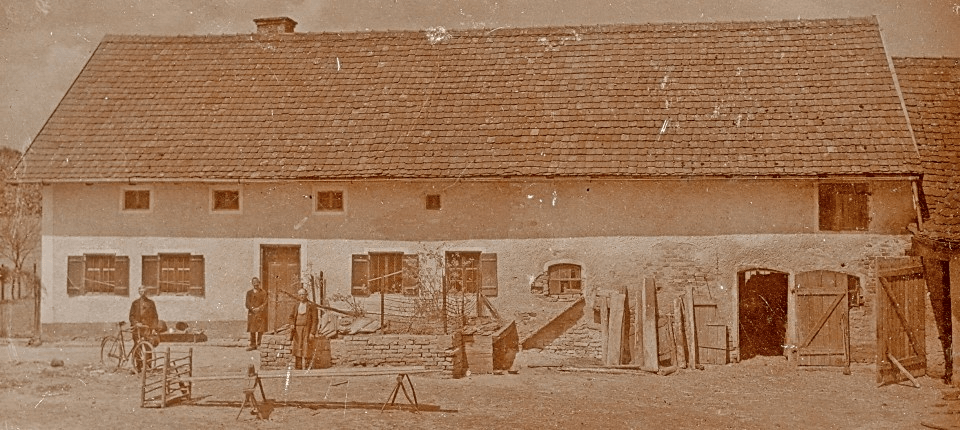
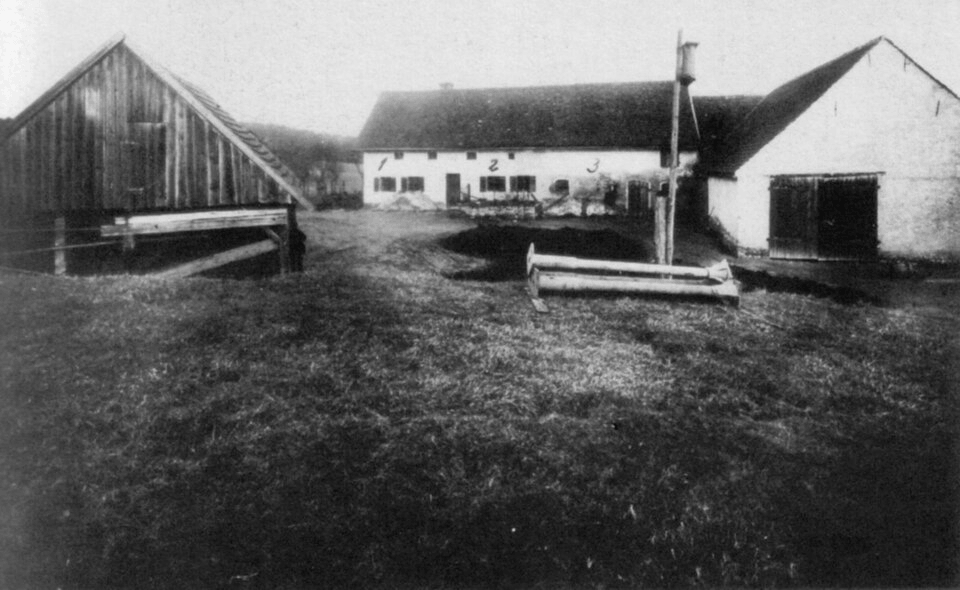
Hinterkaifeck, or ‘behind Kaifeck’, is the name given to the remote farmstead near Gröbern in Bavaria, roughly 70 miles north of Munich. The household consisted of Andreas Gruber (63), his wife Cäzilia (72), their widowed daughter Viktoria Gabriel (35), her two children, Cäzilia Gabriel (7) and Josef (2), and the newly hired maid, Maria Baumgartner (44).
The days leading up to the murders were already unusual. Andreas Gruber reportedly found footprints in freshly fallen snow leading toward the farm but could not find a corresponding trail leading away. He also told neighbours about noises coming from the attic. The family’s former maid, who quit her job claiming the house was “haunted”, also reported the same. A strange newspaper was reportedly found on the property despite the family not subscribing to that particular publication. Adding to the strange series of events was the mysterious disappearance of one of the house keys.
Then, on March 31 1922, the family appeared to have been attacked one after another. The bodies of the grandparents, Viktoria, and her seven-year-old child were in the barn. The investigators concluded that a mattock was the likely murder weapon. They eventually found the weapon hidden in the loft. The bodies were not discovered until April 4, when neighbours became concerned about the family’s absence. By then, the crime scene had already been disturbed by people who entered the property, making an already difficult investigation even harder.
The autopsy later revealed that all six victims had suffered severe injuries to the head. Viktoria Gabriel reportedly had nine distinctive star-shaped wounds and a severely damaged right side of her face, while Andreas suffered massive skull trauma. Cäzilia Gruber suffered multiple blows that fractured her skull as well as indications of strangulation. The young Cäzilia suffered multiple fractures and wounds, while postmortem evidence also suggested that she remained alive after the attack in a state of shock, tearing out her own hair in clumps. Inside the house, the bodies of the newly arrived maid and the youngest member, Josef, were found.
Evidence also suggested that someone remained on the farm for several days. The animals had been fed, food had been consumed, and the kitchen had apparently been used. This raised an unsettling possibility: the murderer may not have immediately fled the property.
Source: The Chilling Story of the Hinterkaifeck Killings, Germany’s Most Famous Unsolved Crime
Theories Behind the Hinterkaifeck Murders
Because the original investigation never identified a definitive killer, several theories have survived over the decades. Some were investigated at the time, while others developed later from witness statements and speculation. The surviving Hinterkaifeck records themselves contain several possible motives and suspect groups.
Lorenz Schlittenbauer Theory
One of the most discussed suspects was neighbour Lorenz Schlittenbauer. He had a complicated relationship with Viktoria Gabriel and believed he was the father of her son, Josef. Their relationship and the dispute surrounding the child’s paternity gave investigators a possible personal motive to examine. Schlittenbauer also became the subject of suspicion because of his behaviour at the crime scene. He entered the house after the group found the victims in the barn, apparently using a key despite the circumstances surrounding a missing house key. His actions were later scrutinised repeatedly.
However, Schlittenbauer was never convicted. The surviving evidence did not establish that he committed the murders. The theory remains one of the most persistent possibilities rather than a solved explanation.
The Hidden Intruder Theory
Another theory focuses on the mysterious activity before the murders. The family had reportedly heard footsteps in the attic, and strange footprints had been seen around the property. This has led to the idea that someone could have been hiding in or around the farm before the killings. If an intruder had secretly been staying on the property, it could potentially explain how the killer knew the farm and why there were reports of unexplained activity beforehand. It could also provide an explanation for the killer’s apparent familiarity with the household.
But there is a major problem: no conclusive evidence has ever established that a person actually lived secretly in the attic. It remains an intriguing interpretation of the evidence rather than a proven fact.
The Robbery Theory
Robbery was among the early directions considered by investigators. The Gruber household was believed to have money, making the farm a possible target. However, the theory became increasingly difficult to reconcile with the evidence. A conventional robber would normally have little reason to remain at the crime scene for days, feed the animals and use the household’s supplies. The apparent post-murder activity therefore makes a simple robbery less convincing.
Karl Gabriel Theory
Another enduring theory centres on Viktoria’s husband, Karl Gabriel, who was reported killed during the First World War. Because his body was not recovered, later rumours suggested that he might have survived and eventually returned to Hinterkaifeck. The theory imagined Gabriel discovering the circumstances surrounding Viktoria and Josef and seeking revenge. However, surviving soldiers who had served with Gabriel reportedly identified his body, making the idea that he secretly survived the war highly questionable.
Revenge and Personal Motives
The Gruber family’s complicated history has also generated theories involving revenge. Andreas and Viktoria had previously faced criminal proceedings concerning an incest allegation, while disputes involving Viktoria’s relationships and Josef’s paternity added further tension to the family’s history. Investigators also examined personal conflicts and possible grudges. The problem is that there were several possible sources of hostility, but none produced evidence strong enough to identify the killer conclusively.
Source: The Hinterkaifeck Murders: Germany’s Creepiest Unsolved Case
Why the Hinterkaifeck Case Remains Unsolved
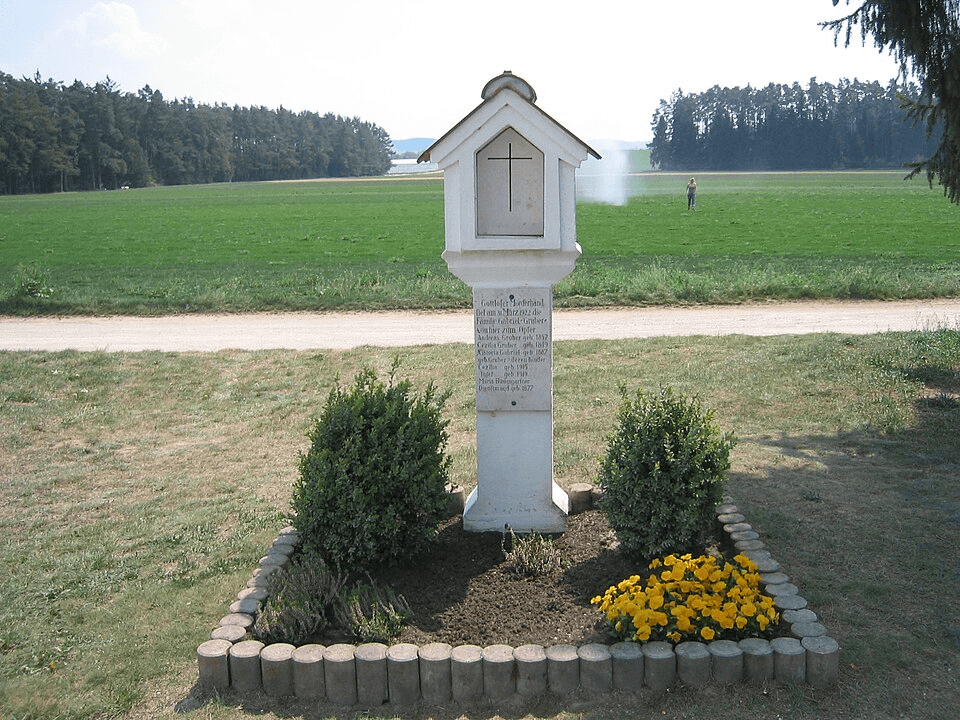
The investigation suffered from a major disadvantage almost immediately. The crime scene was not preserved as it would be today. People entered the farm before a proper forensic examination could be completed, and important evidence may have been moved, contaminated or overlooked. Investigators questioned numerous suspects and explored different motives, including robbery and personal revenge. Yet no theory produced enough evidence for a conviction. The case was eventually closed in 1955, although later investigations and interrogations continued to revisit aspects of the mystery.
Final Thoughts
The Hinterkaifeck murders are often remembered as a story of a mysterious killer lurking in the shadows, but the reality is more complicated. Many of the case’s most famous details have been repeated and embellished over generations, making it important to separate documented evidence from later speculation. What is certain is disturbing enough. Six people were murdered at an isolated Bavarian farm in 1922; the investigation failed to identify the perpetrator, and more than a century later, their killer remains unknown.
Also Read: The Unsolved Death Of Natalie Wood