



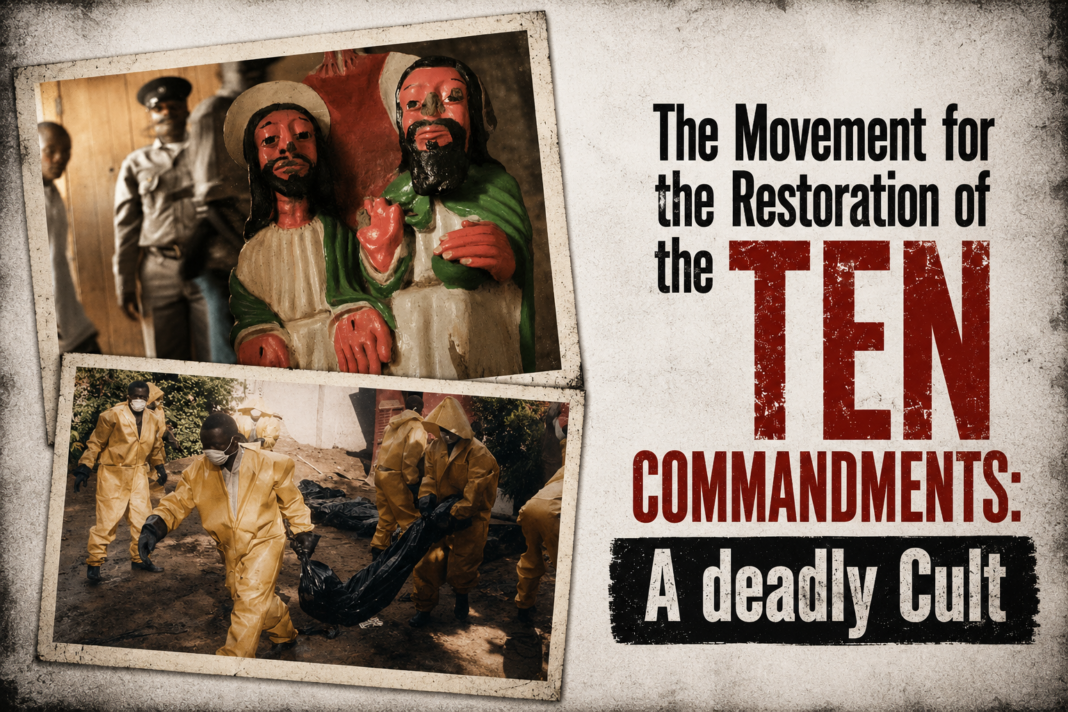
The Movement for the Restoration of the Ten Commandments of God began as a religious movement promising salvation, divine guidance, and protection against the end of the world. In the remote hills of southwestern Uganda, hundreds of devoted followers gave their faith and trust in leaders who claimed to receive messages from the Virgin Mary. They surrendered their homes, their savings, and their futures, believing they were preparing for God’s final judgment. What appeared to be a path to eternal life would instead turn into one of the deadliest cult tragedies in modern history.
On the morning of March 17, 2000, thick smoke rose above a quiet hill in the Ugandan town of Kanungu. Inside a small church, hundreds of worshippers had gathered in prayer, dressed in their finest clothes and singing hymns. To those watching from outside, it looked like a joyful religious celebration. Within minutes, the singing stopped. The building erupted into massive flames, leaving behind the name of one of the deadliest and most baffling cult tragedies. How did a movement that promised salvation convince so many people to surrender their lives? And what became of the charismatic leaders who claimed to speak with the Virgin Mary, yet seemingly disappeared without a trace? More than two decades later, the story remains one of the world’s most disturbing cult mysteries.
Also read: MH370: The Ongoing Mystery
Origins of the Movement for the Restoration of the Ten Commandments of God, Uganda
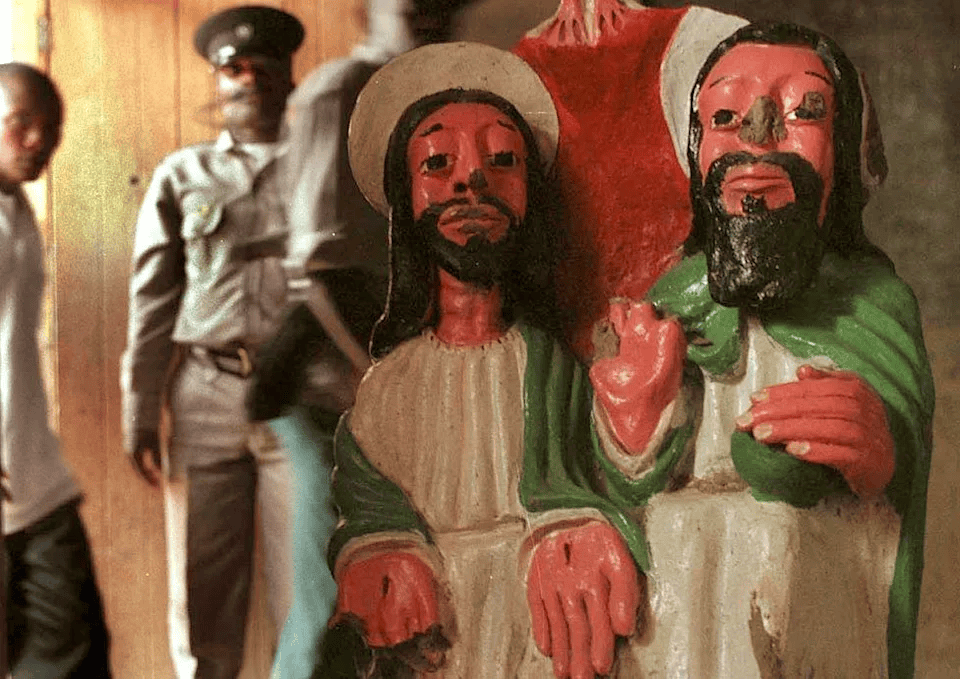
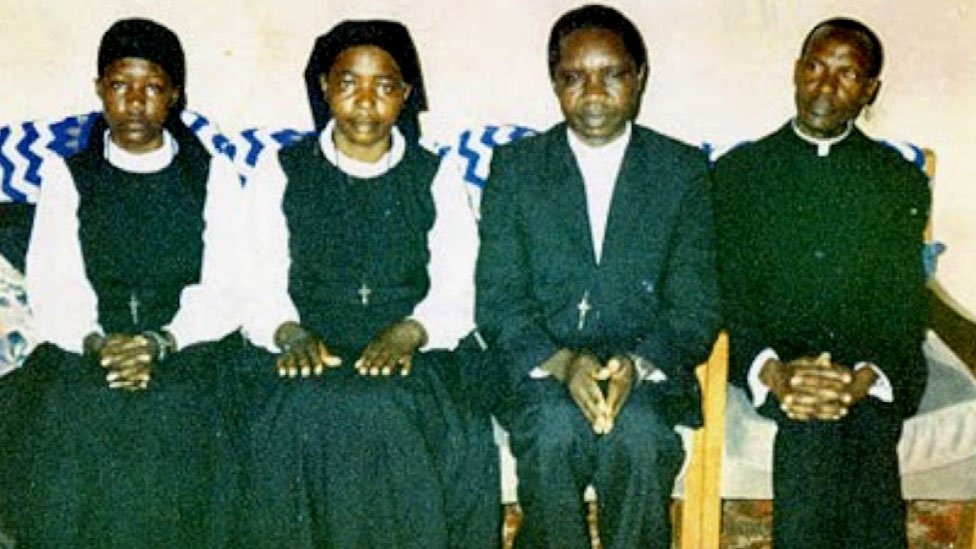
The Movement for the Restoration of the Ten Commandments of God was founded in the late 1980s in southwestern Uganda. The organization started in the aftermath of years of political conflict, when many Ugandans sought spiritual guidance and hope. The movement was primarily established by Joseph Kibwetere, a former Roman Catholic catechist, and Credonia Mwerinde, a woman who claimed to receive visions from the Virgin Mary. Other founding members included former Catholic priests and nuns. The group taught that humanity had strayed from God’s laws and that strict adherence to the “Ten Commandments” was the only path to salvation.
The movement blended elements of Roman Catholicism with apocalyptic beliefs. Followers believed that the world would soon end through divine judgment and only faithful members of the movement would be saved. They also believed that the Virgin Mary regularly communicated with the group’s leaders. Members were expected to donate their possessions to the movement. Many followers sold their homes, livestock, and businesses after being told the end of the world was coming. Not only this, they lived communally and even practiced prolonged fasting and prayer.
The Failed Apocalypse Prediction and the Tragedy
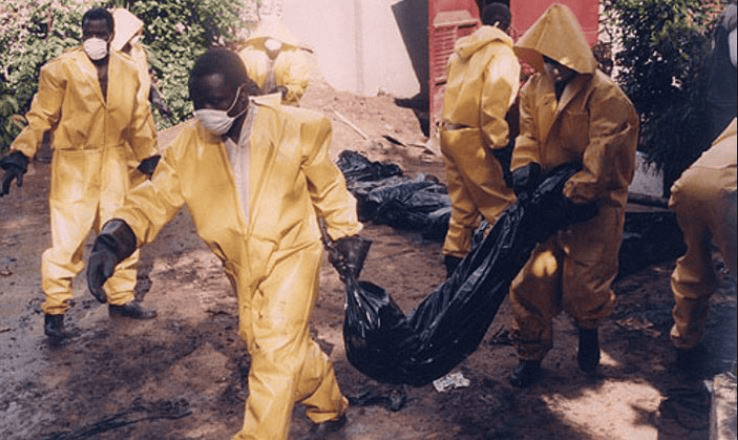
The leaders predicted that the world would end on December 31, 1999. When the date passed without any cause, many followers questioned the prophecy and reportedly demanded the return of property and money they had donated to the movement. According to further investigations, this growing conflict may have created problems within the leadership. On March 17, 2000, hundreds of followers gathered at the church compound in Kanungu District, Uganda, believing this would be a final celebration before entering heaven. Shortly after, a devastating fire engulfed the entire church building. According to the investigators, the building had been deliberately set ablaze, trapping those inside. Initial estimates suggested around 330 people died in the church.
Source: Movement for the Restoration of the Ten Commandments of God
Later, investigators also discovered additional mass graves at properties linked to the movement in Kanungu and other locations, including Buhunga, Rugazi, and Kampala. Many of the victims had died before the church fire. Forensic evidence indicated that numerous deaths resulted from violence or poisoning rather than the fire alone. In further investigation, the total number of victims is generally estimated to exceed 700 people, with many sources placing the death toll at approximately 778. Because of decomposition and the condition of many bodies, the exact number has never been established with complete certainty, making the case one of the deadliest cult-related mass killings.
What Happened to the Leaders?
The reports concluded that the deaths were not a mass suicide but a carefully planned mass killing by the movement’s leadership. Authorities initially believed that leaders, including Credonia Mwerinde and Joseph Kibwetere, were among the victims. However, their bodies were never identified. Many also speculated that they may have escaped before the tragedy. Despite extensive investigations, no verified sightings or arrests have ever confirmed their fate. As a result, whether the principal leaders died in the events or successfully fled remains unresolved.