The Yogurt Shop murders is one of the most complicated and controversial case investigations in Texas history. The investigation involved confessions, overturned convictions, unidentified DNA, and decades of unanswered questions. This article will dive into what really happened inside the shop that night and who was responsible.
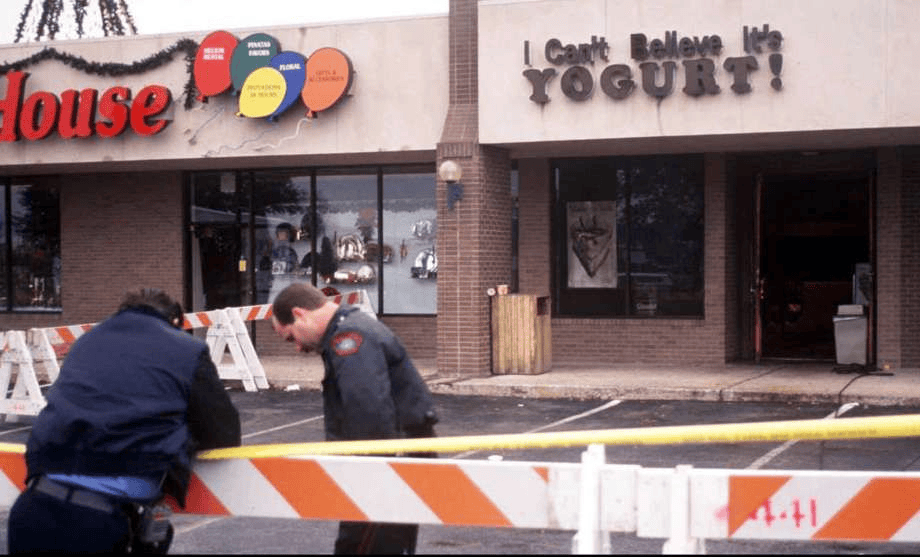
The lights inside the yogurt shop in Austin, Texas, should have gone dark like any other Friday night. Instead, shortly before midnight, smoke began rising from the building. Firefighters entered the I Can’t Believe It’s Yogurt! shop on West Anderson Lane, where they discovered that the fire was hiding something more sinister. Four teenage girls had been brutally killed inside. There was no clear motive, no obvious explanation, no known suspect, and no possible answers.
Also Read: The Bradford Bishop Case: The Diplomat Who Vanished
A Quiet Closing Shift at the Yogurt Shop that Ended in Horror
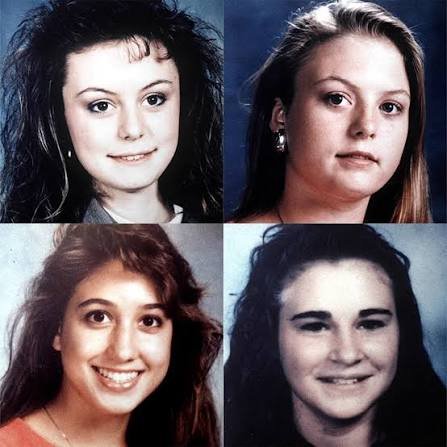
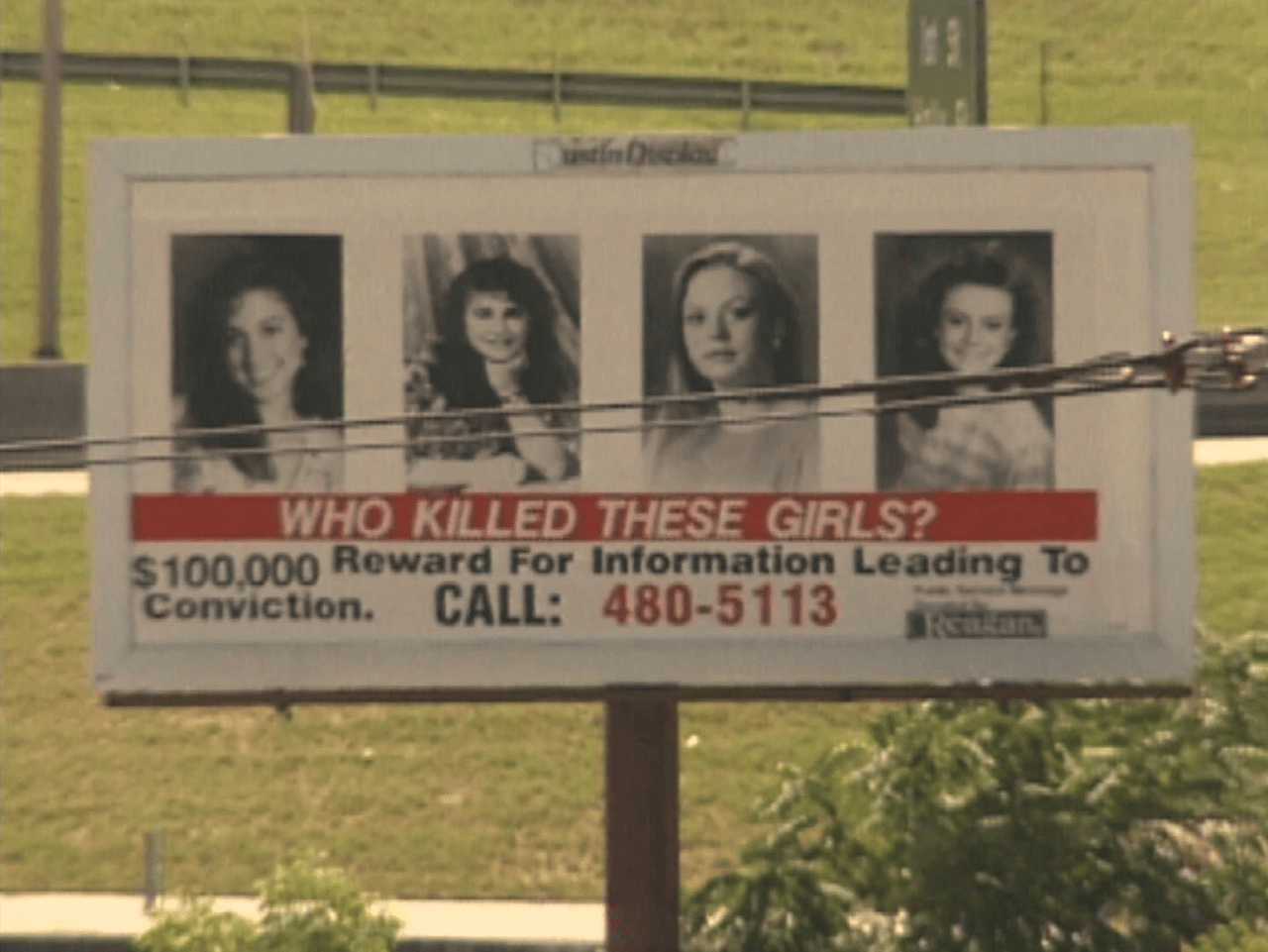
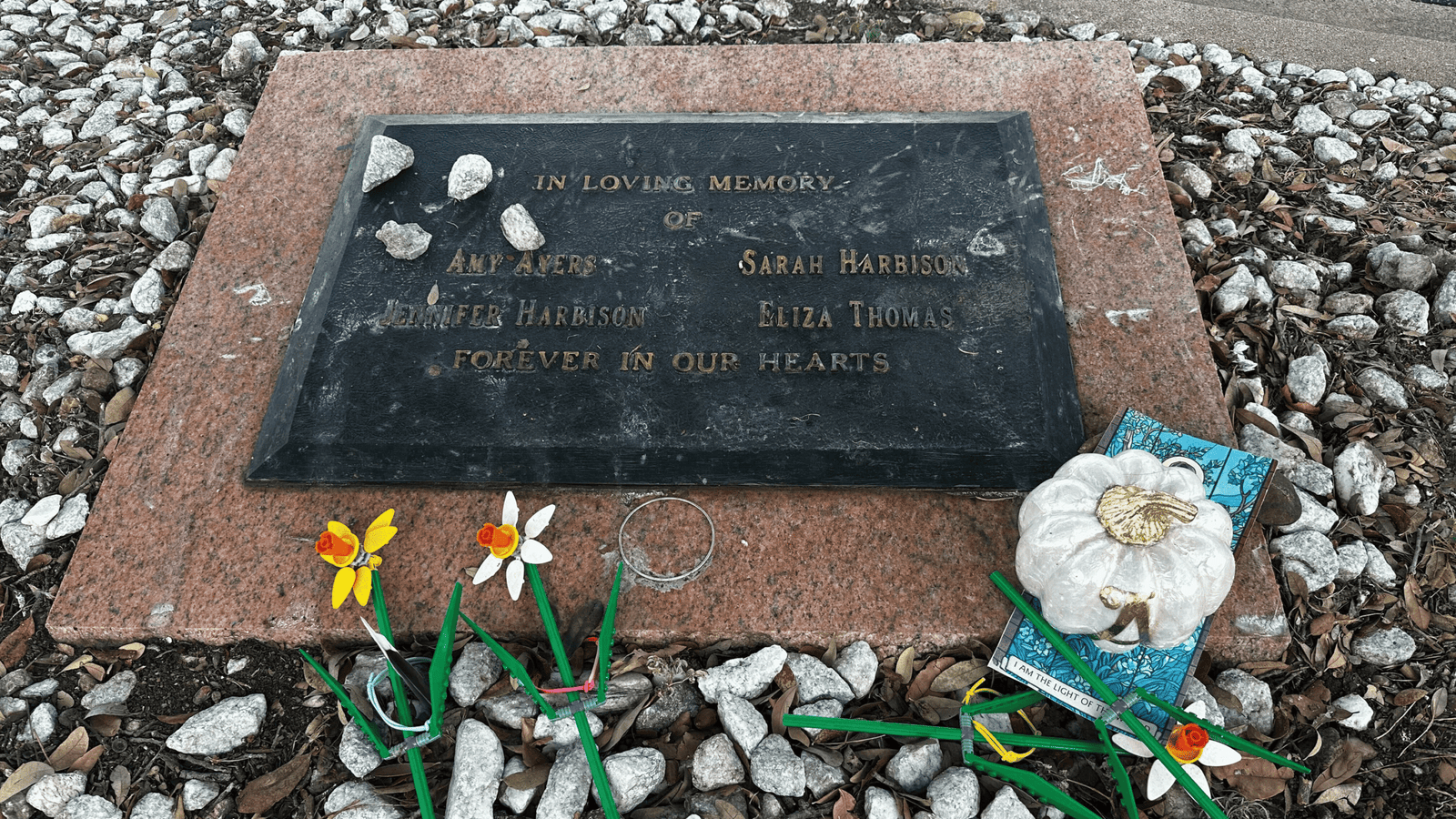
Just like any other ordinary night, on December 6, 1991, 17-year-old Jennifer Harbison and 17-year-old Eliza Thomas were working the closing shift at the I Can’t Believe It’s Yogurt! shop. Jennifer’s 15-year-old sister, Sarah Harbison, and their 13-year-old friend, Amy Ayers, had also come to the shop. But shortly after, something went terribly wrong. At approximately 11:47 pm, emergency services received reports of a fire at the yogurt shop. Firefighters arrived, entered the building, and found out that a major homicide had taken place. Inside, they found dead bodies of four teenage girls. The victims were found together in the rear area of the shop, and the fire had significantly damaged the crime scene.
According to the investigators, all four had been killed before the fire was deliberately started, apparently in an attempt to destroy evidence. This case became exceptionally difficult from the beginning. The fire had badly compromised the crime scene. Heat, smoke, water, and structural damage complicated the recovery of evidence, leaving investigators to reconstruct the final moments inside the shop from what little remained.
Four Men Arrested, But Were They the Real Killers?
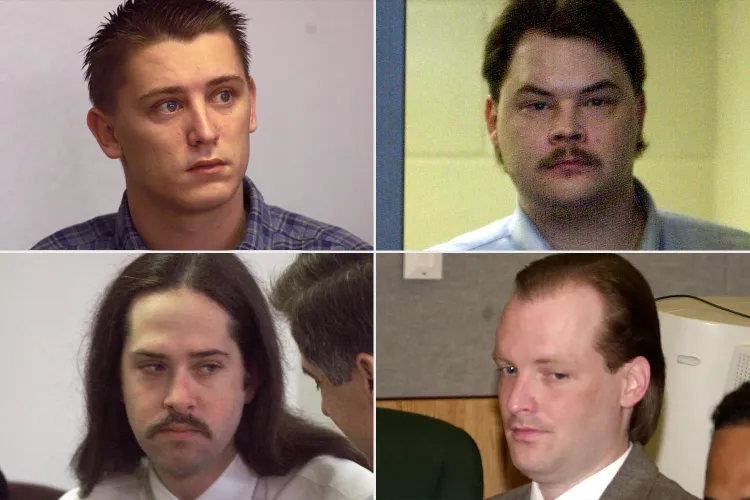
Years after the murders, the investigation took a massive turn. In 1999, Austin police arrested four men, Robert Springsteen, Michael Scott, Maurice Pierce, and Forrest Welborn. Authorities believed the four had been involved in the crime. Two of them, Springsteen and Scott, gave statements after long sessions of interrogation that prosecutors treated as confessions. The strength of that evidence varied significantly between the four men.
Maurice Pierce: Police suspected Pierce after his 1991 arrest on an unrelated weapons charge. A gun associated with him was initially considered potentially significant. Investigators also believed that Pierce and the other three men were connected socially. However, the weapon was not conclusively matched to the murders. Pierce did not provide the kind of confession used against Springsteen and Scott.
Forrest Welborn: Welborn became a suspect because of his association with the others and statements gathered during the investigation. Prosecutors presented the case to two grand juries, but both declined to indict him, indicating that the evidence against him was considered insufficient to move forward. He was eventually released.
Robert Springsteen: The most important evidence against Springsteen was a videotaped confession obtained during a lengthy police interrogation. Investigators said his account contained details connected to the crime scene. However, there was no physical or DNA evidence conclusively linking him to the crime scene.
Michael Scott: Scott also gave a confession after an extended interrogation. His statements became a central part of the prosecution’s case.
Both Springsteen and Scott later withdrew their confessions and claimed they had been pressured during lengthy interrogations. The central problem with the arrests was that the case relied heavily on their confessions rather than forensic evidence. Later, Robert Springsteen was convicted and sentenced to death, and Michael Scott was also convicted and received a life sentence. For a time, it appeared that the Austin yogurt shop murders had finally been solved. But the case began to unravel further. The DNA testing created an even greater complication. Male DNA recovered from evidence connected to the crime scene did not match Springsteen, Scott, Pierce, or Welborn. Eventually, the convictions against Springsteen and Scott were overturned. The charges against them were dismissed in 2009.
Source: How DNA Solved the Yogurt Shop Murders
Mysterious DNA Recovered from the Evidence of the Yogurt Shop Murders
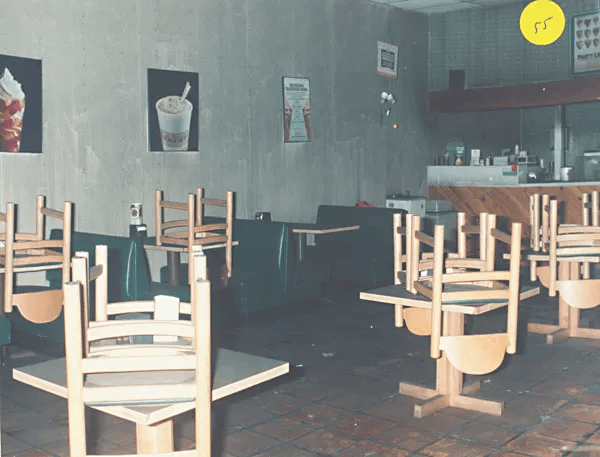
An unidentified male DNA profile became one of the most important remaining elements of the investigation. When the murders occurred in 1991, forensic DNA technology was still developing. The scientific tools available to investigators were far more limited than those used today. However, the evidence from the yogurt shop remained preserved. A detective assigned to the case took an important step. First, a .380-caliber cartridge casing recovered from a drain inside the yogurt shop was submitted to the National Integrated Ballistic Information Network (NIBIN). This national database helps investigators identify possible links between firearms and different crimes. Investigators also requested that biological evidence from the case undergo newer and more sensitive DNA testing.
The DNA Breakthrough That Reveals a New Suspect
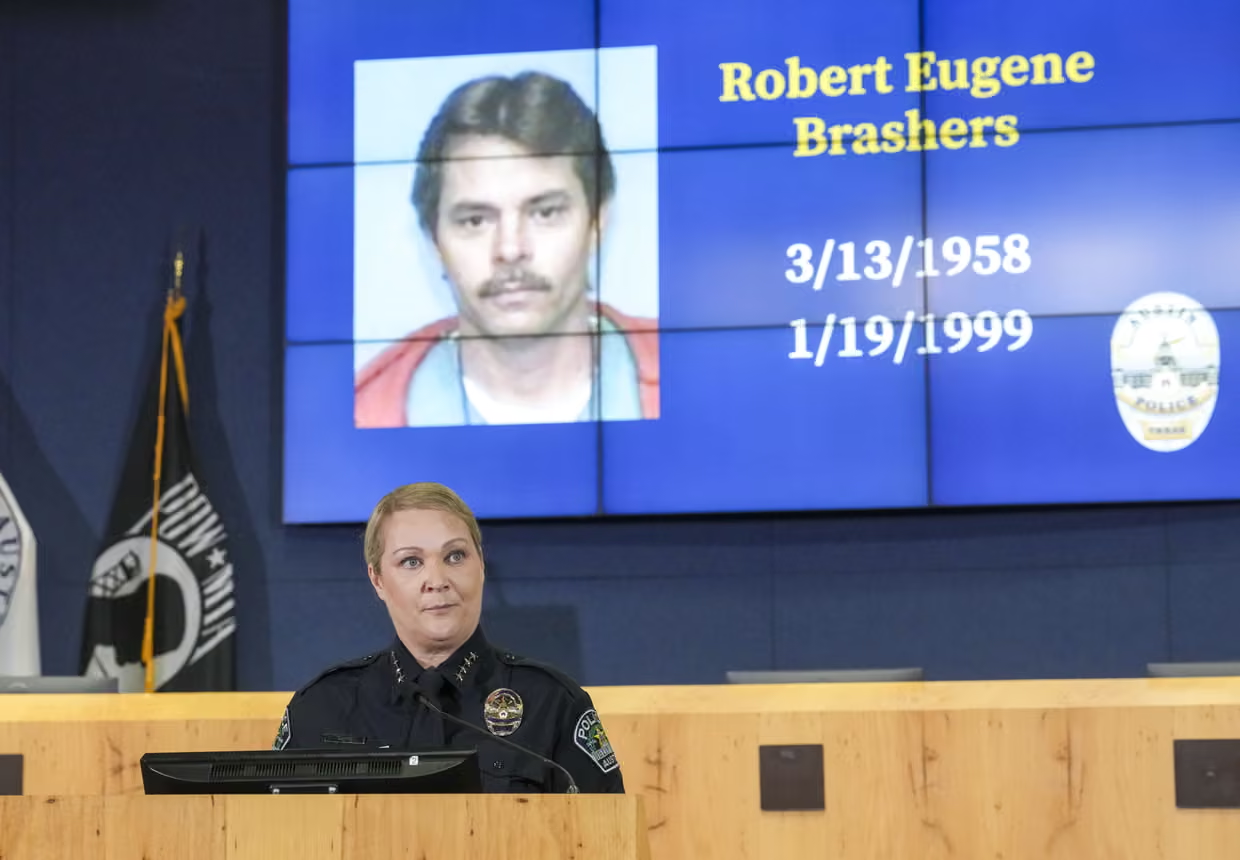
A massive breakthrough came on August 22, 2025. Forensic scientists matched DNA recovered from underneath Amy Ayers’ fingernails to a genetic profile connected to a 1990 sexual assault and murder in South Carolina. The profile was identified as belonging to Robert Eugene Brashers, a suspected serial offender who died in 1999. The investigators also had another piece of evidence. The .380-caliber casing recovered from the yogurt shop was forensically linked through distinctive markings to a handgun associated with Brashers. The weapon had been recovered following his death in Missouri in 1999.
The DNA that helped identify Brashers had survived beneath Amy’s fingernails for more than three decades. Authorities believe it was preserved because she had fought her attacker. After the breakthrough was announced, Detective Dan Jackson credited Amy with providing the evidence that ultimately helped investigators reach an answer. He said that her resistance during the attack had preserved the crucial DNA evidence that pointed investigators toward Brashers. After more than three decades of false leads, the case had finally been transformed by evidence that had been present from the beginning.
Who was Robert Eugene Brashers?
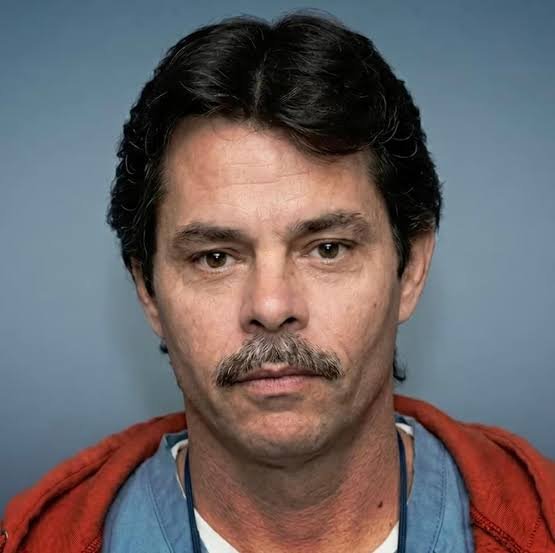
Robert Eugene Brashers was an American serial offender and suspected serial killer whose crimes stretched across several U.S. states during the 1990s. He was born in 1958 and had a long history of horrifying crimes. Investigators connected him through DNA and other forensic evidence to multiple murders and sexual assaults committed between 1990 and 1998. His known or suspected crimes occurred across states including South Carolina, Missouri, Tennessee, and Texas. He often targeted women and girls, and investigators believe he moved frequently, making it difficult for law-enforcement agencies to track him. For years, he was not publicly identified as the person responsible for several of the crimes later attributed to him.
His criminal history included a 1985 shooting in Port St. Lucie, Florida, where he entered a woman’s home and shot her when she confronted him. Luckily, she survived, and Brashers was later convicted and imprisoned. After his release, Brashers was linked to a series of violent crimes. Modern DNA testing eventually connected him to cases including the 1990 murder of Genevieve “Jenny” Zitricki in South Carolina and the 1998 murders of Sherri and Megan Scherer in Missouri. Brashers later died in 1999, during a confrontation with police in Missouri.
Also Read: Victor Lustig: Master Of The Con