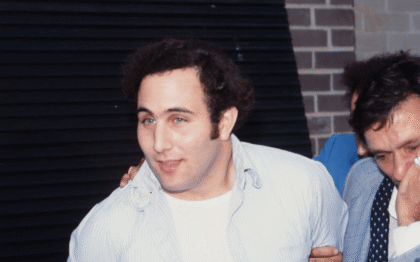
For a young traveller visiting New Zealand, the evening of December 1, 2018, began like any other night in Auckland. Grace Millane had made plans to meet someone she had connected with online, unaware that the evening would end in a murder investigation.

When Grace failed to respond to her family and friends, concern quickly grew. What followed was an investigation that brought together witness accounts, digital records and other evidence to reconstruct the events surrounding her final hours.
Auch lesen:Shocking Dyatlov Pass Incident: The Chilling Truth
Grace Millane’s Final Night
Grace, a 22-year-old British backpacker, arrived in New Zealand on November 20, 2018, as part of her travels. On December 1, she arranged to meet Jesse Kempson, a man she had matched with on Tinder. The pair met at approximately 5:45 p.m. near Auckland’s SkyCity complex. CCTV cameras captured their first meeting and much of what followed. They visited several bars and restaurants in Auckland’s central business district, drinking and talking as the evening progressed.
Footage later shown during the trial portrayed the pair appearing comfortable in each other’s company. Grace also remained in contact with friends during the evening. She sent messages and photographs, giving investigators a timeline of her movements. At around 9:40 p.m., CCTV captured Grace and Kempson entering the CityLife Hotel and taking a lift toward his apartment. It was the last recorded footage of Grace alive. What happened inside the apartment became the central question of the murder investigation.
The Extensive CCTV Investigation
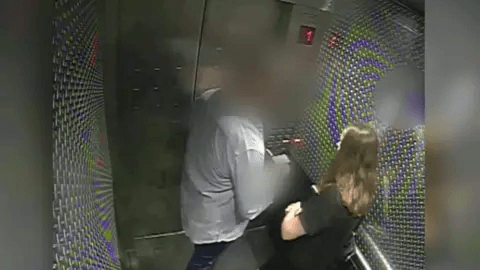
One of the most significant aspects of the case was the sheer volume of surveillance footage available to investigators. The recordings allowed investigators to reconstruct the evening almost step by step, from the pair’s first meeting to their movements through several establishments and finally to the hotel. The CCTV evidence became particularly significant when investigators examined Kempson’s movements after the night of December 1.
Rather than remaining inside the apartment, he began taking steps to clean the room and dispose of evidence. CCTV showed him leaving the hotel and purchasing cleaning products. He also hired a carpet-cleaning machine and obtained a rental car. He purchased a large suitcase, which investigators later established was used to transport Grace’s body. The following day, approximately 24 hours after Grace had last been seen on CCTV, Kempson was seen wheeling the suitcase through the CityLife Hotel and placing it into a rental vehicle. He was later recorded buying a shovel too. These recordings provided investigators with a detailed visual record of the aftermath.
Quelle:Grace Millane murder: man jailed for life for killing of UK backpacker
What Investigators Discovered
According to evidence presented during the court trial, Grace Millane died sometime overnight between late Saturday, December 1, and the early hours of Sunday, December 2, 2018. The exact time of her death could not be established, but investigators were able to narrow the timeframe based on the evidence presented in court. The cause of death was pressure to her neck. The prosecution argued that Kempson intentionally killed her, while the defence claimed that her death had occurred accidentally during consensual s*xual activity involving choking. The jury rejected that explanation and found him guilty of murder.
Investigators also uncovered digital evidence that became important to the prosecution’s case. Searches included terms connected with the disposal of a body and cleaning. The timeline suggested that the searches were made after Grace had already died.
One of the prosecution’s strongest arguments was that Kempson’s changing accounts did not fit the evidence. His initial explanation placed Grace somewhere else after their date. But investigators had CCTV showing the pair travelling together to his hotel. The footage also documented his actions after Grace’s death, including the purchase of a suitcase, cleaning equipment and a shovel. Together, the CCTV recordings, internet searches, messages, forensic evidence and his later movements gave investigators a detailed reconstruction of events.
Quelle:The complete evidence in the Grace Millane murder trial: Inside the case that gripped a nation
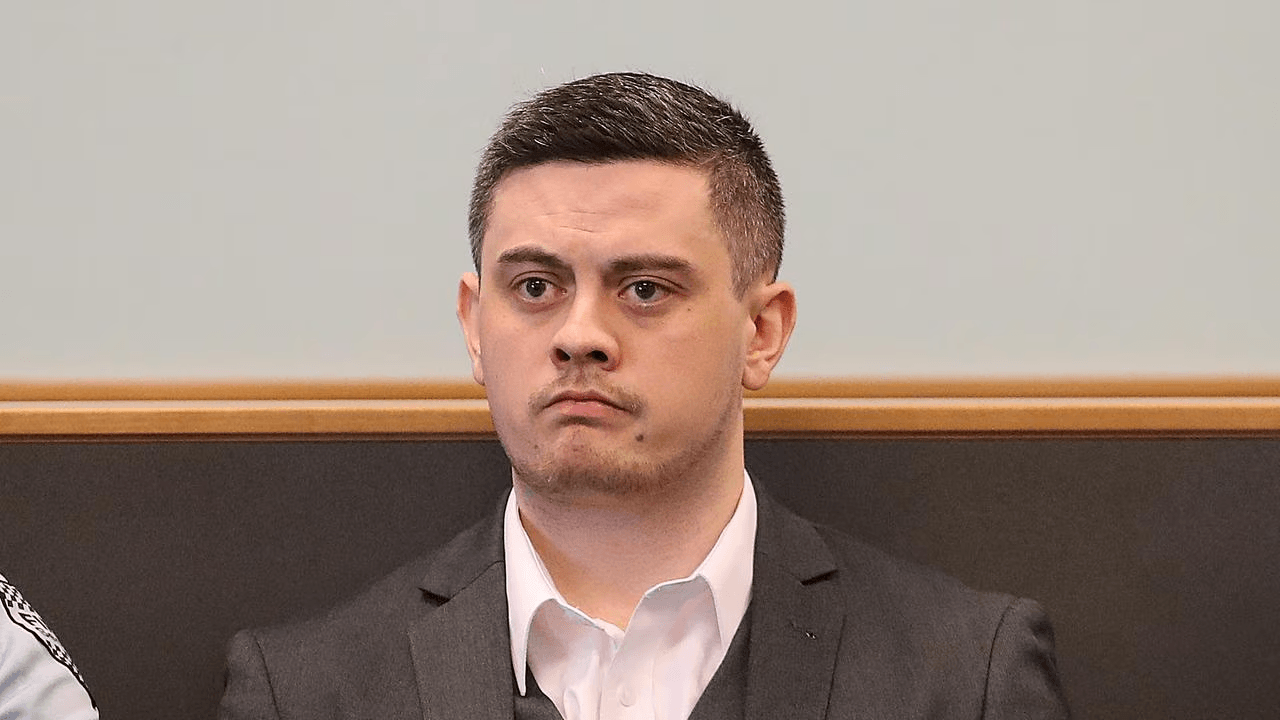
In February 2020, Kempson was sentenced to life imprisonment with a minimum non-parole period of 17 years. His legal team later appealed his conviction and sentence. The Court of Appeal dismissed the appeal in December 2020, and the Supreme Court subsequently declined permission for a further appeal.
The case remains one of New Zealand’s most closely followed murder investigations, not only because of the tragedy of Grace’s death but because investigators were able to reconstruct so much of the timeline through surveillance footage.The CCTV cameras did not record what happened inside the hotel room. But they recorded almost everything around it. The extensive digital trail became an important part of the evidence that ultimately brought the investigation to a conviction.
Auch lesen:Der bizarre Mad Gasser von Mattoon (1944)