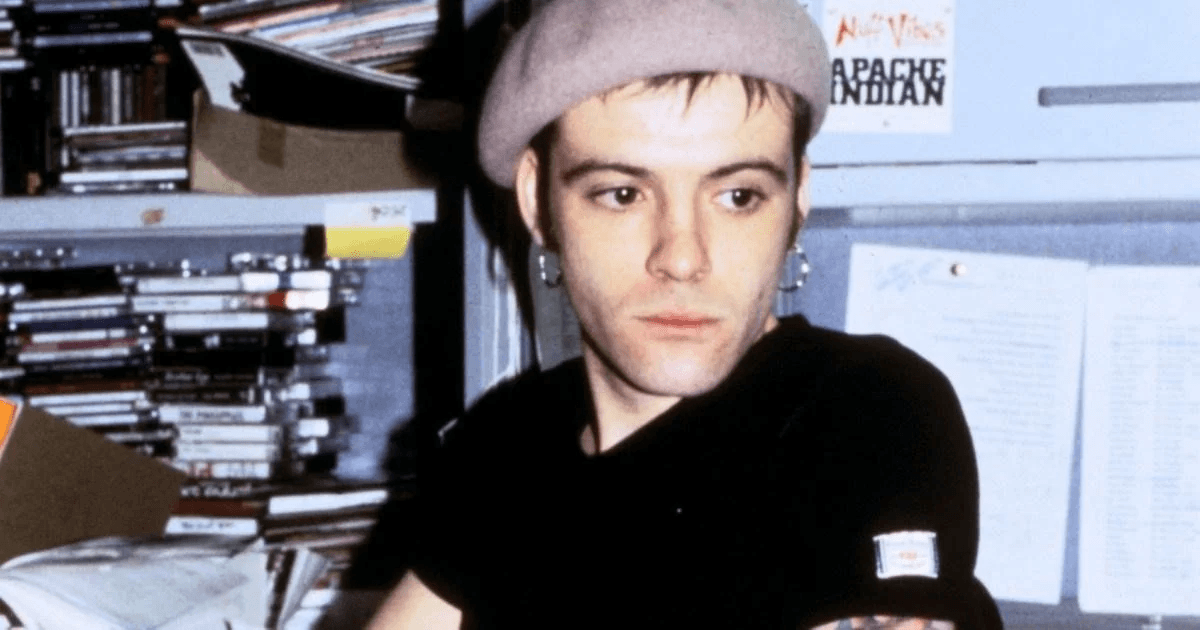
At 27, Richey Edwards, the rhythm guitarist and lyricist of Welsh rock band Manic Street Preachers, was already a familiar face in British rock music. On February 1, 1995, he disappeared from a London hotel shortly before the band was due to travel to the United States.
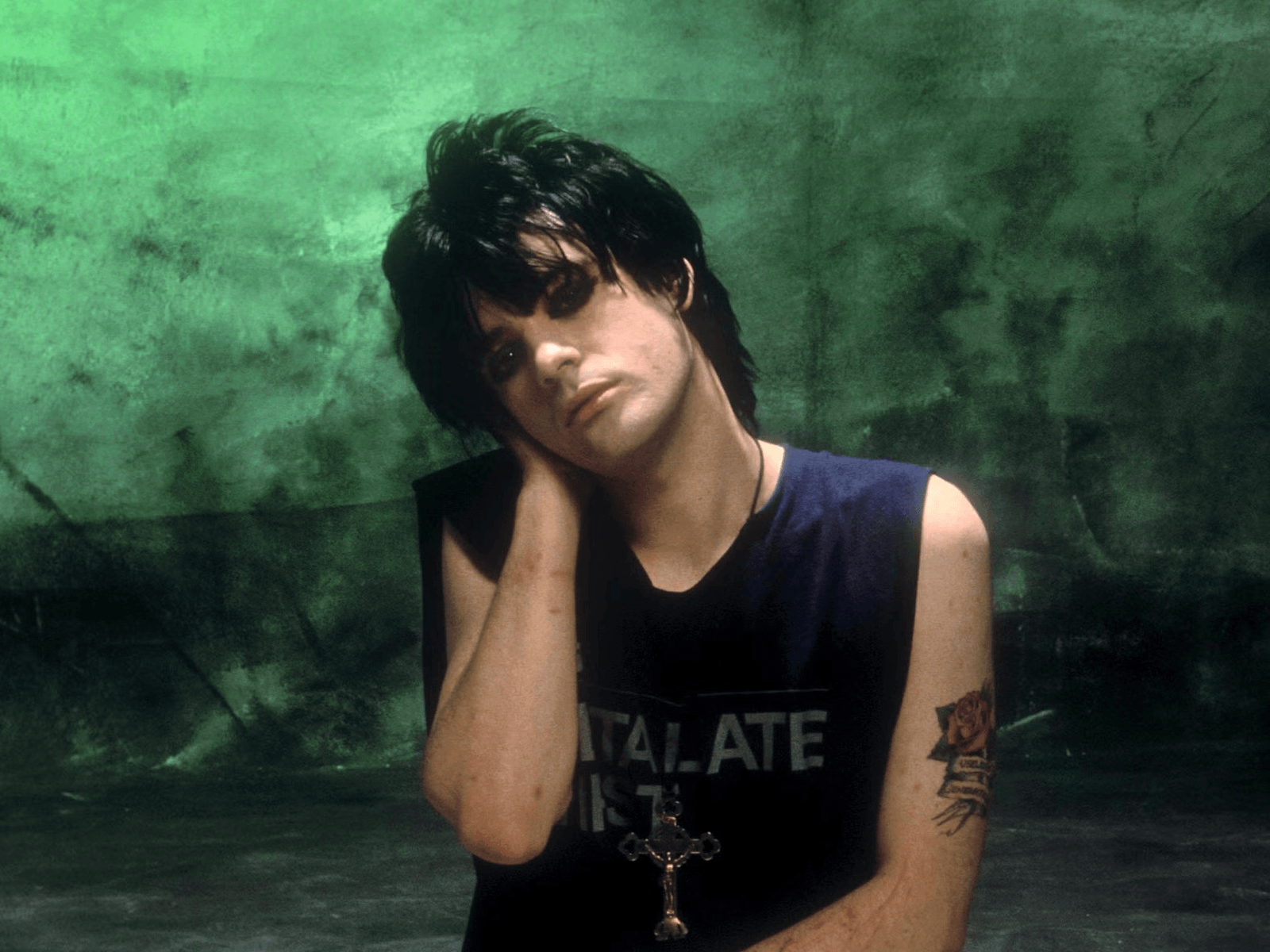
His car was eventually found near the Severn Bridge in Wales, but Edwards himself was never found. More than three decades later, the circumstances surrounding his disappearance remain a subject of speculation.
Lesen Sie auch:Rebecca Reusch: The Berlin Teen Who Vanished
The Disappearance

Edwards was staying at the Embassy Hotel in Bayswater, London, before the band’s planned trip to the United States. He was last confirmed at the hotel on February 1, when he left in the morning. He did not board his scheduled flight. He apparently returned to Wales, where his silver Vauxhall Cavalier was eventually found abandoned at the Severn View service station near the Severn Bridge. The car became one of the most significant clues in the case because the bridge had a reputation as a location for suicides.
The possibility was particularly concerning given Edwards’ long history of depression, self-harm and other mental-health difficulties. Years earlier, he had also made headlines during an NME interview when he carved “4 REAL” into his forearm with a razor after being questioned about the authenticity of the band. The incident became one of the most talked-about moments of his career.
The Abandoned Car

Edwards’ car was noticed at the service station approximately two weeks after his disappearance. Its location close to the Severn Bridge seemed to point towards a tragic explanation, but there was no body and no eyewitness account establishing what happened after he arrived there. His family never accepted that the location of the car was enough to prove his death. Over the years, they continued to investigate alternative possibilities, including the possibility that Edwards had deliberately disappeared and begun a new life elsewhere.
The uncertainty was complicated further by reports of supposed sightings. People claimed to have seen Edwards in places including Newport, the Canary Islands and Goa. None of these sightings was conclusively verified, leaving them as another part of the mystery rather than evidence that he survived.
A Timeline That Changed
One of the more intriguing developments came in 2018, when Edwards’ family examined an old toll receipt connected with the Severn Bridge. The receipt had originally been interpreted as showing that Edwards crossed the bridge at 2:55 p.m. on February 1. His sister Rachel later discovered that the toll system used a 24-hour clock, meaning the time could instead have been 2:55 a.m. That change was significant because it altered the accepted and official timeline of Edwards’ movements for years. His family believed the discovery could open a new line of inquiry into what happened after he left London.
Quelle:Richey Edwards: The mysterious disappearance of the Manic Street Preachers star, 30 years on
Presumed Dead, But Never Found
In 2008, more than 13 years after Edwards disappeared, his parents obtained a court order declaring him legally presumed dead. The decision allowed his family’s affairs to be settled, but it did not establish how or where he died. The Edwards family had previously resisted taking this step because they had never received definitive evidence of his death. Even after the legal declaration, the absence of a body meant that important questions remained unanswered.
The case has continued to attract attention. In 2026, an anniversary appeal again sought information about Edwards, with his sister Rachel and Missing Persons Support asking anyone with relevant information to come forward. He therefore remains a missing person in the sense that his whereabouts have never been established, despite his legal status as presumed dead.
What Happened to Richey Edwards?
The most commonly accepted theory is that Richey Edwards did not survive long after his disappearance, after leaving his car near the Severn Bridge. His mental-health struggles and the location of his abandoned vehicle have contributed heavily to this interpretation. But the evidence does not provide a definitive answer. There is no confirmed sighting after his disappearance, no recovered body and no conclusive evidence proving suicide or another cause of death. The possibility that he deliberately disappeared and survived elsewhere has never been completely eliminated either.
His disappearance was followed by a trail of clues that seemed to suggest an ending, but never provided the final piece of evidence needed to establish what actually happened. More than 30 years later, the musician’s fate remains one of Britain’s most enduring missing-person mysteries.
Lesen Sie auch:5 Strange Asian Mysteries and Legends You May Not Have Heard Of