The arrest of Philip Patrick Westh in April 2023 marked a defining moment in one of Denmark’s most significant criminal investigations in recent years. What began as an urgent search for a missing 13-year-old girl soon developed into a far-reaching case that connected investigators to the case of Emilie Meng and Sorø. As police pieced together forensic evidence, surveillance footage, and witness accounts, the investigation revealed a pattern of serious offences that extended far beyond the initial kidnapping, ultimately leading to one of the country’s most closely followed criminal trials.
Westh’s conviction brought long-awaited answers to families affected by separate cases that had challenged Danish authorities for years. It also highlighted how advances in forensic techniques, coordinated investigative work, and persistent review of evidence can reshape longstanding investigations.
Also read: Jason Landry Disappearance: Bizarre Trail of Clues
Who was Philip Patrick Westh?
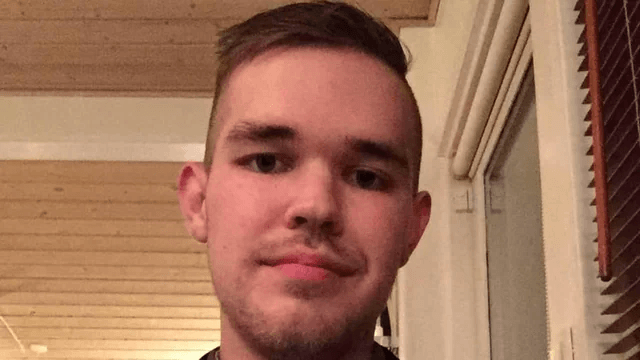
Philip Patrick Westh, a 32-year-old marketing manager, often referred to in Danish media as “Korsørmanden,” is a Danish offender. Westh reportedly targeted young girls between 2016 and 2023. He was later sentenced to life imprisonment for a string of serious crimes, including the murder of 17‑year‑old Emilie Meng and brutal attacks on two other underage girls.
Before his arrest, Westh lived what appeared outwardly to be an ordinary life, which only deepened the shock when he was finally identified as the man behind a long‑unsolved missing persons case. Friends and acquaintances interviewed in later media coverage and the Netflix documentary “A Friend, A Murderer” described feeling deeply betrayed, struggling to reconcile the man they knew with the calculated predator revealed in court.
The disappearance of Emilie Meng
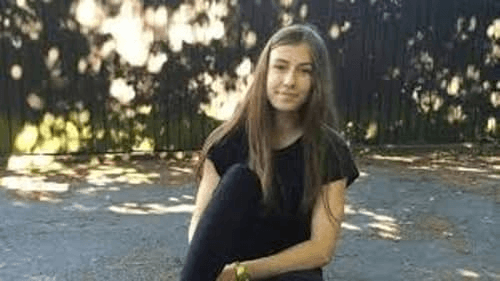
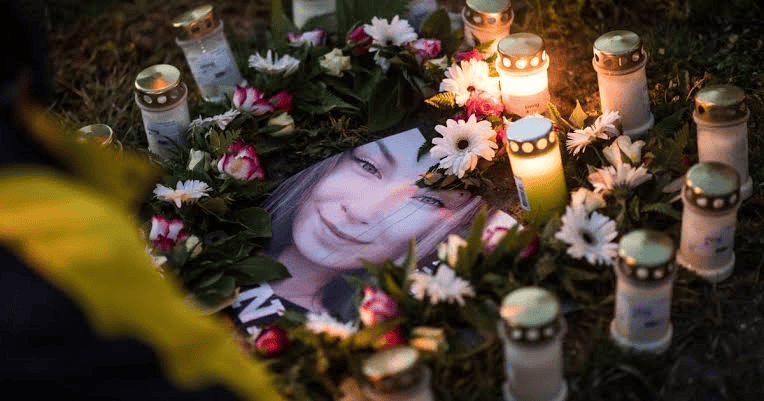
In the early hours of 10 July 2016, 17‑year‑old Emilie Meng vanished near Korsør Station after a night out with friends in the small Danish town of Korsør. Prosecutors later argued that Westh abducted Emilie from the area, taking her to an unknown location where he restrained her and ultimately killed her by strangulation using packing tape.
Emilie’s disappearance quickly gripped Denmark, but despite large‑scale searches and extensive media coverage, answers were slow to come. Her remains were discovered later on 24 December 2016, in a lake near Borup, turning the missing persons case into a confirmed homicide and fuelling public criticism of the initial police response. For years, there was no named suspect, and the case became one of Denmark’s most haunting unsolved crimes.
Kirkerup and Sorø: A Pattern of Violence
The breakthrough in the Meng case would eventually come from other attacks attributed to Westh in 2023, revealing a disturbing pattern of offending against young girls. In 2022, a 15‑year‑old student from Sorø was threatened, subject to attempted prolonged deprivation of liberty and attempted r*pe.
Then in 2023, a 13‑year‑old girl was abducted in Kirkerup in Slagelse Municipality, held for around 27 hours, subjected to violence, s*xual assault, and an intentional hit‑and‑run attempt that prosecutors described as attempted murder. Investigators later linked these attacks to Westh, and forensic and investigative work tied him back to the unresolved killing of Emilie Meng. Together, the three cases painted a picture of an escalating offender willing to stalk, abduct, and brutalise very young victims.
Inside the trial and verdict
In June 2024, Westh stood trial at the Court in Næstved on a comprehensive indictment covering all three cases. Evidence about the abduction and killing of Emilie Meng, the Sorø schoolgirl assault, and the Kirkerup kidnapping was heard along with additional counts including possession of child sexual abuse material and violations of Denmark’s knife laws.
The court found him guilty of the murder of Emilie Meng. He was also found guilty of attempted kidnapping and r*pe against the 15‑year‑old, and of violence, prolonged deprivation of liberty, attempted homicide, rape, indecent exposure, and unlawful coercion against the 13‑year‑old. On 28 June 2024, the jury sentenced him to life imprisonment, Denmark’s harshest penalty, reflecting the extreme gravity and pattern of his crimes.
Initially, Westh intended to appeal his conviction and sentencing. However, in September 2025, he withdrew his appeal, effectively accepting the life sentence and bringing the legal process to an end. Danish media later reported that his property in Svenstrup was seized to help cover legal costs, while he remained incarcerated in a high‑security facility.
Source: Philip Patrick Westh: Where is the Killer Now?
Connecting Years of Unsolved Investigations
The Philip Patrick Westh case drew widespread attention across Denmark, not only because of the crimes involved but also because it linked investigations that had remained unresolved for years. His conviction answered several longstanding questions for investigators and the public, yet it also prompted discussion about whether earlier warning signs or advances in investigative methods could have changed the course of the cases. The rescue of the 13-year-old girl demonstrated the importance of a rapid police response, while the investigation itself highlighted the challenges of connecting offences committed years apart.