Asian mysteries and legends span centuries, from unexplained lights and strange archaeological discoveries to modern urban legends and unusual cultural traditions. Some have roots in ancient traditions, while others emerged from relatively recent events and stories that spread across the internet.

From strange lights appearing over Bengal’s wetlands to a railway station that exists only in an online legend, these six stories show just how differently mystery can take shape across Asia.
Also Read: The Toynbee Tiles Mystery: Messages Hidden in the Streets
The Aleya Lights: Mysterious Lights Over Bengal’s Wetlands
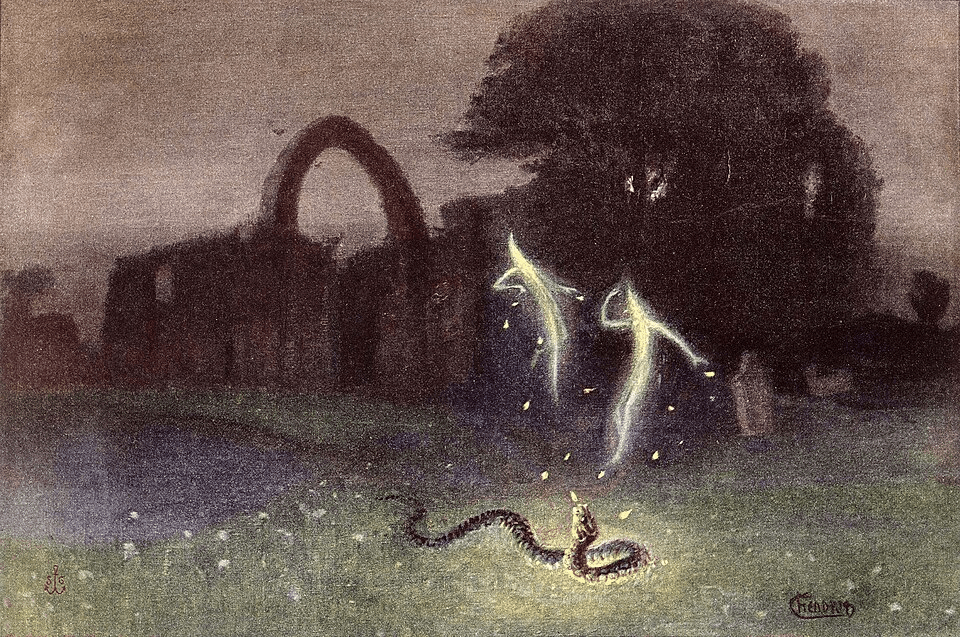
On dark nights across parts of Bengal and Bangladesh, strange lights have long been reported hovering over wetlands and marshes. Known as Aleya, these mysteriously appearing blue, green or pale coloured lights have become part of local folklore, particularly among fishing communities. The lights are often described as faint, floating flames appearing above the water before suddenly disappearing. In traditional stories, they have been associated with the spirits of fishermen who died in the wetlands. Some tales even claim that following the lights can cause people to lose their way.
But the phenomenon may have a far less supernatural explanation. Aleya is commonly compared with the phenomenon known as will-o’-the-wisp or ignis faatus (literally translating to “foolish fire” in Latin). Scientists have proposed that gases released by decaying organic matter such as methane may play a role in producing such lights, although the exact chemistry behind some reported marsh lights remains debated. That uncertainty is what makes Aleya particularly fascinating. To those who encounter a strange light moving across a dark marsh, folklore and science can seem to occupy the same space.
Source: ‘Ghost Fire’ in Marshes Sparked by Strange Chemistry
Kisaragi Station: The Train Station That Doesn’t Exist

Imagine taking your usual train home, only to realise that it has been travelling for far longer than normal. The other passengers are silent, the driver does not respond, and eventually the train stops at a station you have never heard of. That is the premise of Kisaragi Station, one of Japan’s most famous modern internet legends.
The story originated on the Japanese anonymous message board 2channel in 2004. An anonymous poster using the name “Hasumi” described travelling on a train that apparently failed to stop at its usual stations before arriving at a deserted station called Kisaragi. Strange events began to unfold as Hasumi updated the forum users about the eerie atmosphere and “people” she encountered there. Eventually, she posts her seemingly last update before completely going silent.
What made the story unusual was its presentation. Rather than appearing as an old folktale, it unfolded through posts that were written as though the events were happening in real time. There is no confirmed real-world Kisaragi Station corresponding to the station in the story. Yet the legend continued to spread online, inspiring theories, adaptations and new stories about people supposedly entering mysterious “otherworld” stations.
The Curse of Colonel Sanders: Japan’s Strangest Sports Legend
What could a fast-food mascot possibly have to do with a baseball team’s fortunes? In 1985, fans of Japan’s Hanshin Tigers celebrated their team’s success in an unusual way. During celebrations in Osaka, a statue of Colonel Sanders outside a KFC restaurant was thrown into the Dotonbori River. The statue reportedly resembled the former professional American baseball player Randy Bass, and fans had used it as a substitute for him during their celebrations.
The Tigers subsequently went through a long period without winning the Japan Series, and the story of a “Curse of the Colonel” began to take hold. According to the legend, the team could not win the championship again until the missing statue was recovered. The curse became part of Hanshin Tigers fan culture, much like other famous sports curses around the world. The story finally received a bizarre conclusion in 2023, when the Hanshin Tigers won the Japan Series for the first time since their 1985 championship. The missing Colonel Sanders statue itself, however, had never been fully recovered.
There was never any evidence that a fast-food mascot actually cursed a baseball team. But the legend became a lasting part of Japanese sporting culture, proving that mysteries do not always need ghosts, disappearances or ancient ruins.
The Hanging Coffins of Sagada: A Burial Tradition on the Cliffs
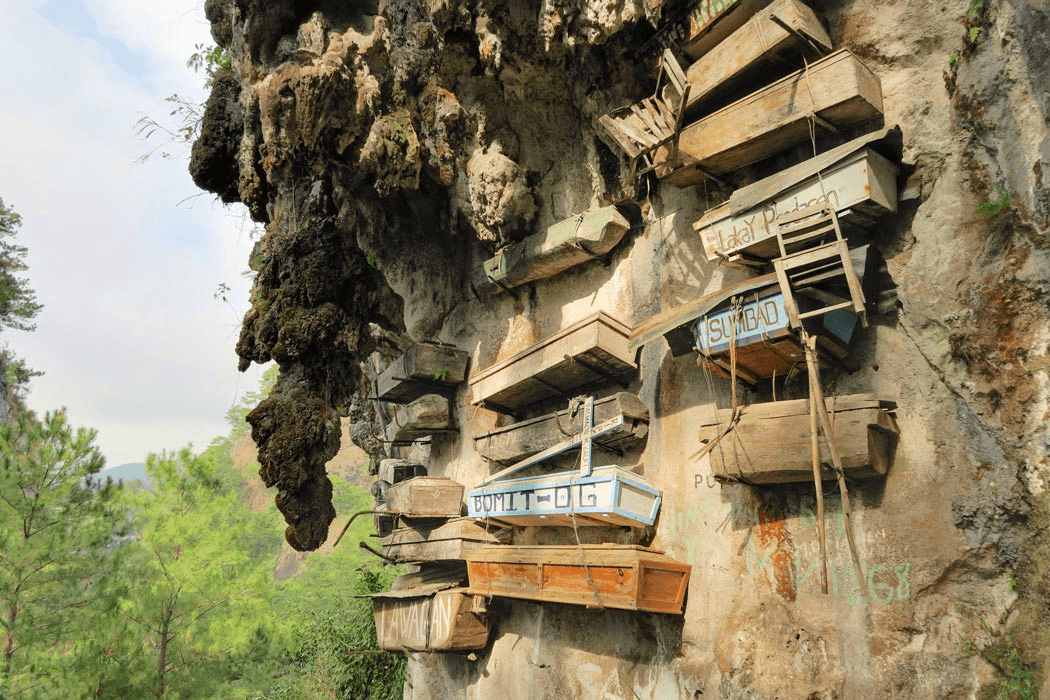
High above the ground in Sagada, a mountain town in the Philippines, wooden coffins can be found attached to cliffs and tucked beneath rocky overhangs. The sight is startling. From a distance, the coffins can appear almost suspended in the mountainside. The practice belongs to the Kankanaey people of Sagada and is a century-old traditional burial custom found in the region. Coffins have been placed in caves, rock crevices and on cliff faces rather than simply being buried in the ground.
The reasons behind the practice are connected to beliefs about death, ancestors and the relationship between the living and the dead. Some traditions hold that placing the dead higher up brings them closer to the ancestral world. Hanging coffins are not the ordinary burial practice for everyone in Sagada, nor should the tradition be treated simply as an eerie tourist attraction. It is part of an indigenous cultural tradition that has survived alongside major changes in the region. Modern burials have become increasingly common, while the older practice is now carried out far less frequently. What looks mysterious from the outside therefore has a deeper explanation: a centuries-old way of understanding death, remembrance and the place of ancestors.
Source: Hanging Coffins of Sagada
The Ponari Stone: Indonesia’s Mysterious “Healing” Stone
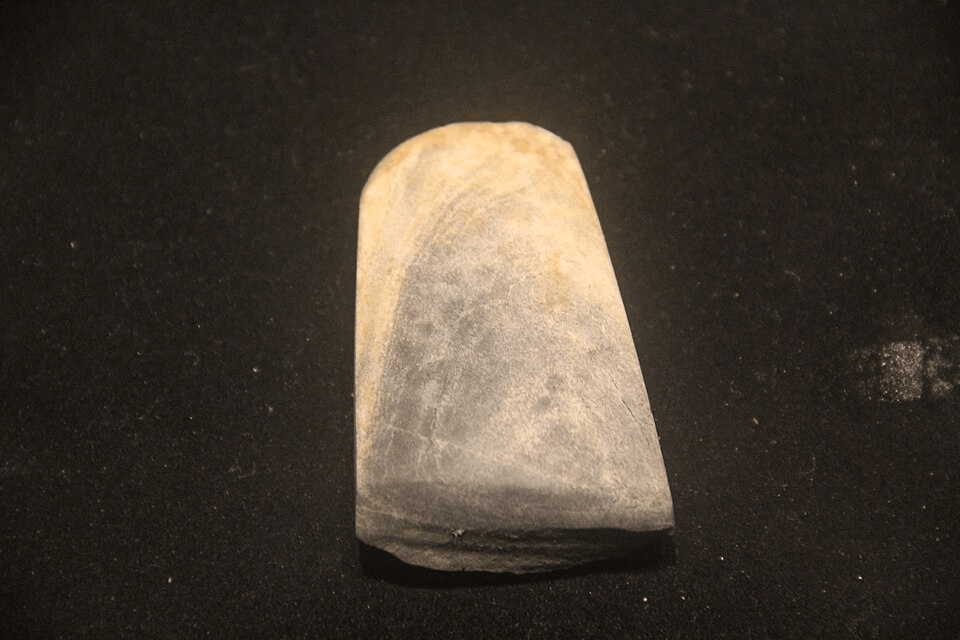
In 2008, a nine-year-old Indonesian boy named Ponari became the centre of an extraordinary phenomenon in East Java. According to Ponari and his followers, a mysterious stone appeared after he was struck by lightning during a storm. The stone was believed to possess healing powers: Ponari would dip it into water, and people seeking treatment would drink the water. Word of the supposed healing powers spread rapidly, attracting enormous crowds to the boy’s village. What began as a local belief soon became a national media phenomenon, with thousands of people reportedly travelling to see him.
The story became known as the Ponari Stone phenomenon and raised questions that went beyond whether the stone could actually heal anyone. Why did so many people place their faith in it? How did a local story become a nationwide sensation? And what happens when traditional beliefs, desperation and mass media collide? The Ponari Stone is remembered not because the stone itself was proven to possess extraordinary properties, but because of the remarkable social phenomenon that formed around it.
Where History Meets Mystery
From unusual natural phenomena and centuries-old traditions to modern internet legends and unexplained archaeological discoveries, these stories reflect the remarkable variety of mysteries found across Asia. Some have possible explanations, while others remain surrounded by unanswered questions and competing interpretations. As research continues and stories are passed from one generation to another, each mystery retains its own place in the cultural and historical landscape of the region.
Also Read: The Bizarre Oakville Blobs: The Strange Rain of 1994