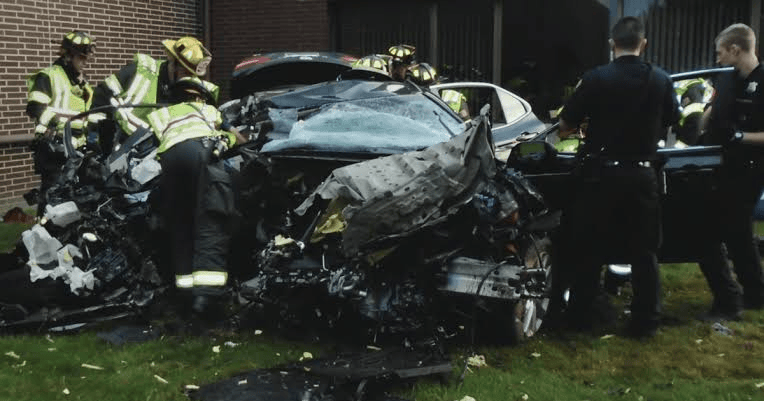
Netflix’s The Crash (2026) covers one of the most debated criminal cases in recent years, revisiting the 2022 deaths of 20-year-old Dominic Russo and 19-year-old Davion Flanagan after a high-speed collision in Strongsville, Ohio. What initially appeared to be a devastating traffic accident quickly transformed into a murder investigation, leaving investigators, legal experts, and the public sharply divided over one central question: was the crash intentional?
 The documentary follows the investigation from multiple perspectives, combining courtroom testimony, police evidence, interviews, and archival footage to reconstruct the events leading up to the collision. The documentary explores how investigators concluded that the crash was deliberate while also presenting the defense’s arguments, allowing viewers to understand why the case remains the subject of intense discussion years later.
Also read: Princes in the Tower: A Royal Mystery
The Crash Review: A Measured Look at a Case That Still Divides Opinion
Netflix’s The Crash (2026) revisits one of the most debated criminal cases in recent American history, where 17-year-old Mackenzie Shirilla drove her car into a building wall that killed Dominic Russo and Davion Flanagan in Strongsville, Ohio. What was initially reported as a tragic car crash quickly evolved into a murder investigation, with prosecutors arguing that the collision was intentional. The documentary explores how investigators reached that conclusion while also acknowledging the arguments presented by the defense, offering viewers a structured account of a case that continues to spark discussion.

Through police records, courtroom proceedings, interviews, archival footage, social-media posts, and expert commentary, the documentary carefully reconstructs the timeline leading up to the crash. It explains how investigators analyzed witness statements, digital evidence, and crash reconstruction findings before prosecutors ultimately pursued murder charges. By presenting these elements in chronological order, the film remains accessible even for viewers who are unfamiliar with the case.
The documentary also succeeds in highlighting the complexity of the case without overwhelming viewers with legal jargon. While it explains the prosecution’s theory in detail, it also acknowledges the defense’s position and the broader debate surrounding intent of the only survivor of the fatal collision. Rather than presenting the story as a straightforward crime with obvious answers, The Crash demonstrates why the investigation became such a closely watched trial and why opinions remain divided years later.
Source: Netflix’s New #1 Movie May Be the Most Polarizing Film of the Year
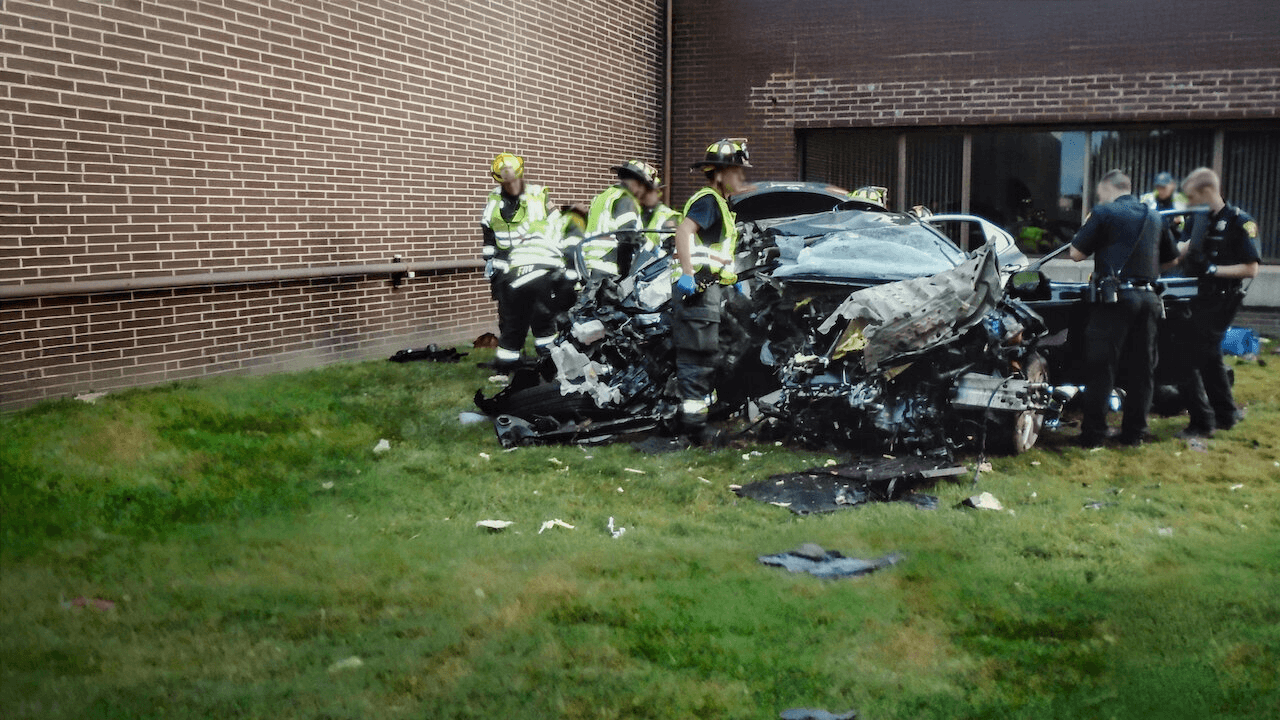
What the true crime documentary does especially well is show how a criminal case can become a social-media event. The documentary leans into clips, posts, and public reaction to demonstrate how Shirilla’s online presence became part of the larger story, not just background noise. That angle is one of the film’s most critical strengths because it reflects how modern true crime is often judged as much through digital behavior as through physical evidence.
The documentary works because it refuses to let the crash remain just an accident story. It turns the case into a stark reminder that in the digital era, evidence is no longer limited to the scene itself; it can live in data, video, posts, and the public’s reaction long after the sirens fade.
The Crash is now streaming on Netflix.
Also read: The Lead Masks Case (1966): A Chilling Discovery on a Lonely Hill