


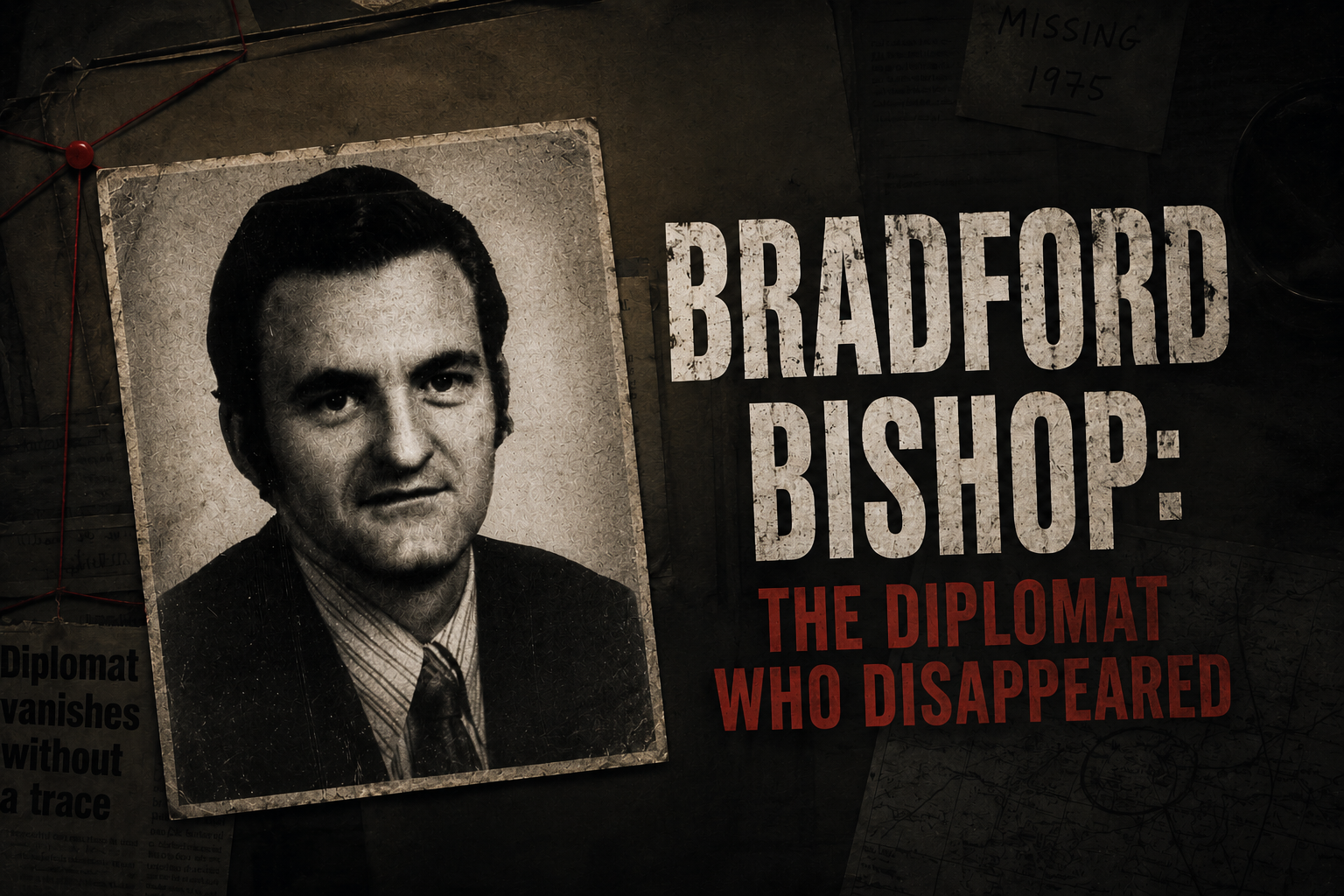
On the surface, William Bradford “Brad” Bishop Jr. appeared to have everything. He was a highly educated U.S. Foreign Service officer, spoke several languages, had a promising diplomatic career, and lived with his wife, mother, and three sons in Bethesda, Maryland. To friends and colleagues, he was intelligent, reserved, and successful. But behind that carefully maintained image, investigators believe Bishop was struggling with professional disappointment, financial pressure, and deteriorating mental health.

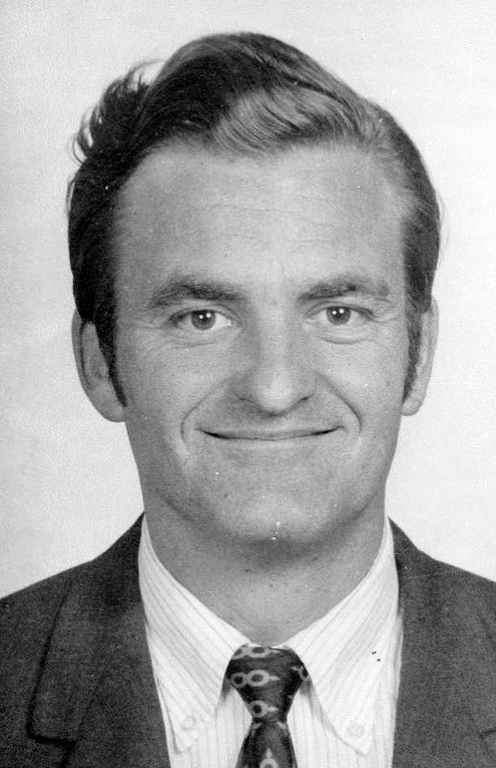
On the evening of March 1, 1976, those hidden tensions allegedly erupted into one of America’s most chilling family annihilation cases, before the suspected killer disappeared without a trace. Nearly fifty years later, the Bradford Bishop case remains officially unsolved, and Bishop himself is still wanted by authorities.
Also read: Victor Lustig: Master Of The Con
Who Was Bradford Bishop?
William Bradford Bishop Jr. was born on August 1, 1936, in Pasadena, California. A graduate of Yale University with additional postgraduate degrees, he served in the U.S. Army before joining the U.S. State Department as a Foreign Service officer. His work took him to several countries, and he reportedly spoke multiple languages fluently. He married his high school sweetheart, Annette Bishop (37), and together they raised three sons: William Bradford Bishop III (14), Brenton Germain Bishop (10), Geoffrey Corder Bishop (5). Also living with the family was Bishop’s mother, Lobelia Bishop (68). From the outside, the Bishops looked like an accomplished, close-knit family. Few people suspected the tragedy that was about to unfold.
The Day Everything Changed

On March 1, 1976, Bishop learned he had been passed over for a promotion at the State Department, a setback that reportedly devastated him. Witnesses later recalled that he appeared unusually upset before leaving work early. Instead of returning to work later, investigators believe Bishop spent the afternoon making several calculated purchases. He withdrew cash, bought a small sledgehammer, a gas can, and a shovel before driving home. Police believe these purchases were part of a carefully planned crime rather than a spontaneous act.
According to investigators, Bishop arrived home that evening and began attacking members of his family one by one. Authorities believe he first killed his wife, Annette, followed by his mother and later, his three sons while they were asleep upstairs. All five victims died from blunt-force injuries consistent with the hammer Bishop had purchased earlier that day. The brutality of the crime shocked investigators, particularly because there had been no public indication that Bishop would harm his own family.
Source: ‘The Hunt’: Bradford Bishop
The murders did not end inside the Bishop home. Investigators say Bishop loaded the bodies into the family car and drove approximately 500 miles south to a remote wooded area in the Great Smoky Mountains National Park in North Carolina. There, he dug a shallow grave, placed the bodies inside, poured gasoline over them, and set them on fire before leaving the scene. The following day, forest rangers investigating smoke in the area discovered the partially burned remains along with a shovel and a gasoline can that would later help connect the crime to Bishop.
The Vanishing of Bradford Bishop
For several days, no one reported the Bishop family missing. Concern arose only after a neighbour noticed the family’s unusual absence and contacted the police. Officers entering the Bethesda home found blood throughout the house, immediately indicating a violent crime. Dental records later confirmed that the remains discovered in North Carolina belonged to Annette, Lobelia, and the three Bishop children. By the time authorities realised Bishop was the prime suspect, he had nearly a week’s head start. Investigators located his abandoned station wagon on March 18, 1976, at a campground in the Great Smoky Mountains National Park in Tennessee.
Inside were personal belongings, including a shotgun, an axe, and evidence linking the vehicle to the murders. Despite an extensive search, Bishop was never found.
Why Was He Never Caught?
The mystery surrounding Bishop’s disappearance has fascinated investigators for decades. Unlike many fugitives, Bishop possessed qualities that could have helped him evade capture:
– He spoke several languages.
– He had extensive international travel experience.
– He possessed diplomatic knowledge and overseas contacts.
– His diplomatic passport was never recovered.
Over the years, credible sightings placed him in countries including Italy, Switzerland, and Sweden, though none resulted in an arrest. Authorities have also explored the possibility that he lived quietly under a false identity. Whether Bishop successfully built a new life abroad or died while on the run remains unknown.
The FBI Investigation

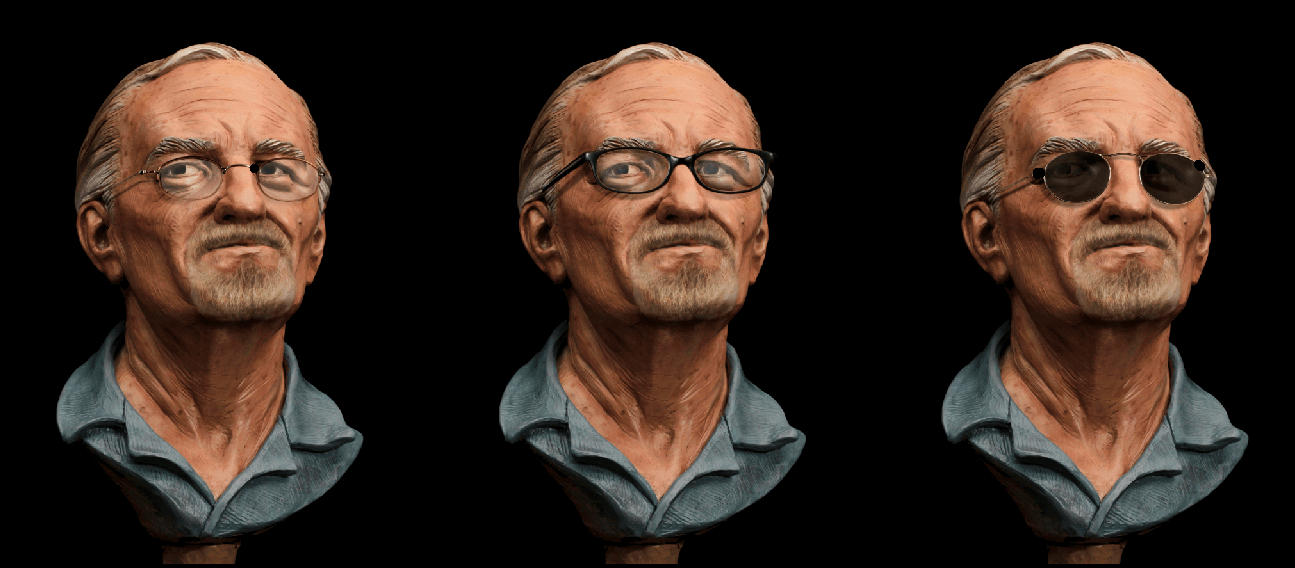
The case never went cold. In 2014, the FBI added Bishop to its Ten Most Wanted Fugitives list to generate new leads and public attention. Age-progression images and forensic facial reconstructions were released, suggesting what he might look like decades after the murders. Although Bishop was removed from the list in 2018 to make room for other fugitives, authorities emphasised that he was not cleared or forgotten. He remains wanted on murder charges, and an INTERPOL Red Notice is still active.
Also read: Where Did Brandon Swanson Go?