The newspapers called him “The Axeman of New Orleans.”
No fingerprints. No confirmed identity. No arrests.
Then, in March 1919, everything changed. The killer allegedly wrote a letter to the newspapers claiming he was a demon from hell. Warned that he would kill anyone not listening to jazz on a specific Tuesday night.
The city obeyed.
Was the Axeman simply a ruthless murderer? Or was someone manipulating an entire city through fear?
Editor’s Note: Because the crimes occurred more than a century ago and historical records sometimes conflict, the exact number of victims and details of individual attacks vary among sources. The article above reflects the broad historical consensus while noting where uncertainty remains.
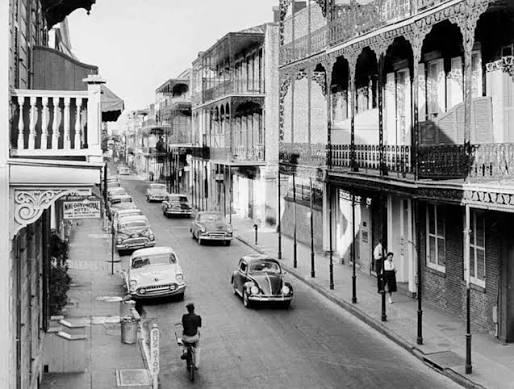
New Orleans has always been known for its music, vibrant nightlife, and rich culture. But between 1918 and 1919, the city became the stage for one of America’s most terrifying historical killings. Families began waking to the sound of splintering wood in the middle of the night. An unknown figure slipped through homes using the victims’ own axe before disappearing into the darkness without leaving a proper trail.
Also Read: Princes in the Tower: A Royal Mystery
A City Living in Fear
The murders began in May 1918 and continued into October 1919. Unlike many serial killers who stalk strangers outdoors, the Axeman targeted people while they slept in their own homes. Most victims were Italian-American grocers or members of their families. This initially led investigators to wonder whether the attacks were connected to organized crime, personal revenge, or racial prejudice. However, no theory ever fully explained every attack.
One disturbing detail connected many of the crimes. The killer usually entered through a back door or window by using a chisel to remove wooden panels from the door. Apparently, the killer also found an axe already inside the victims’ home instead of bringing one. The Axeman usually carried out his attack while victims slept. He always left valuables untouched. Because robberies rarely occurred, investigators quickly ruled out theft as the motive. The attacks appeared motivated solely by violence.
The Known Attacks
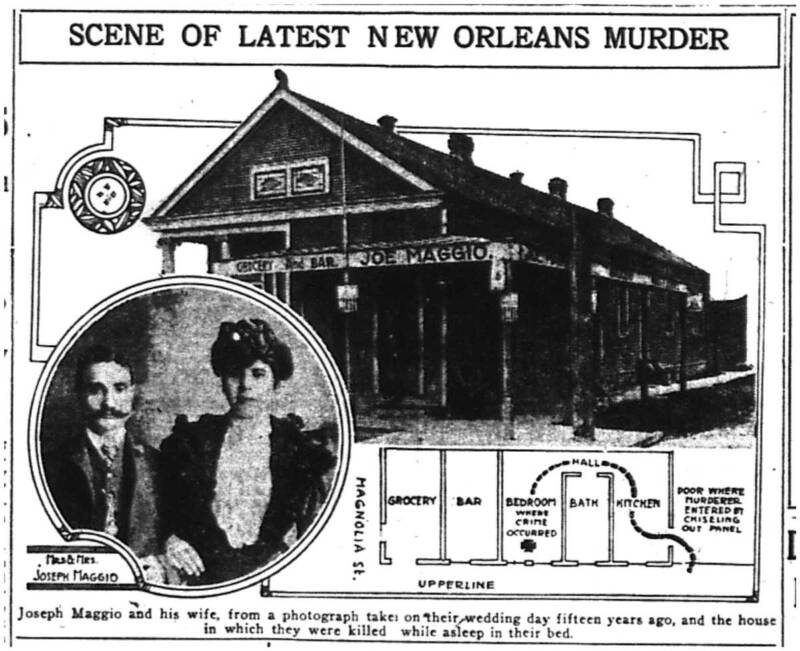
Joseph and Catherine Maggio (May 23, 1918)
Joseph Maggio and his wife Catherine operated a grocery store in New Orleans. One night, neighbors heard strange noises but thought little of them. The next morning, the couple were discovered brutally attacked in their bedroom. Joseph died shortly afterward. Catherine also succumbed to her injuries. Police found a bloody axe belonging to the family. However, money and valuables remained untouched.
Louis Besumer and Harriet Lowe (June 27, 1918)
Just weeks later, another couple became victims of the Axeman of New Orleans. Louis Besumer, another grocer, and his companion Harriet Lowe were attacked while sleeping. Both survived initially despite devastating injuries. Suspicion briefly turned toward Lowe herself after conflicting statements, but investigators failed to prove any involvement. No clear suspect emerged. She later died following a failed surgery.
Over the following months, attacks continued. Among those targeted were Steve Boca and Mike Pepitone. Some victims survived long enough to describe hearing footsteps or seeing a shadowy figure, but none could positively identify the attacker.
Source: The Axeman of New Orleans
The Cortimiglia Family: The Most Infamous Attack
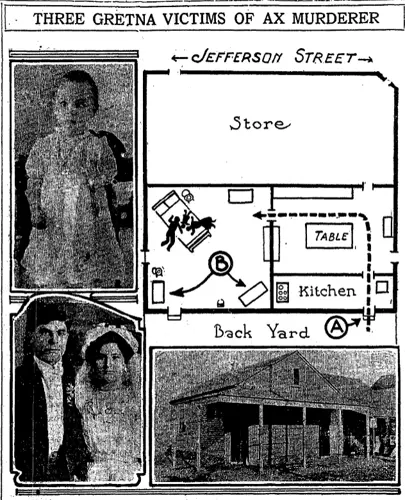
One of the most heartbreaking attacks occurred in March 1919. Charles Cortimiglia, his wife Rosie, and their two-year-old daughter Mary Jane were assaulted while sleeping. Luckily, Charles and Rosie survived, but their young daughter did not. The tragedy intensified public outrage. Later, police arrested one of the family’s relatives after accusations made during the investigation. The confession later unraveled, and the charges were dismissed, leaving the murders unsolved.
The Letter That Terrified an Entire City
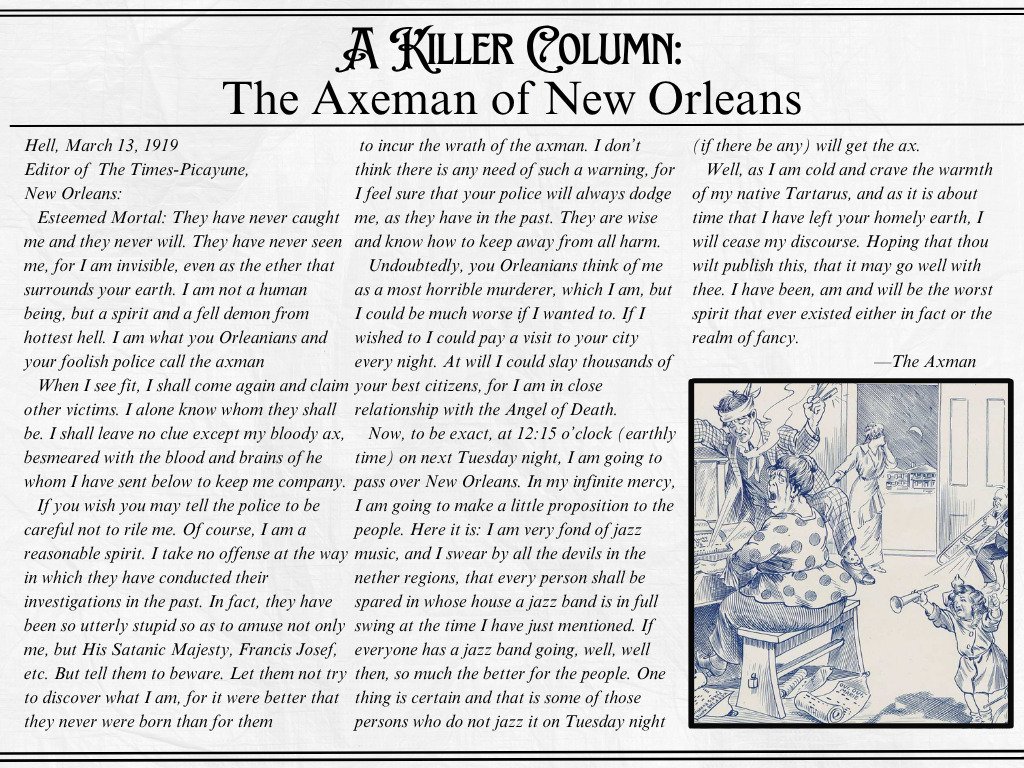
On March 13, 1919, newspapers received a handwritten letter supposedly from the Axeman. The author claimed to be a supernatural being and declared that he would kill again on the following Tuesday night. However, there was one unusual condition. Anyone listening to jazz music would be spared. Whether the letter truly came from the killer has never been proven.
Yet, out of fear, the city reacted as if it had. On the evening of March 19, 1919, something extraordinary happened. Dance halls stayed open, and bands performed through the night. Homes kept their windows open while jazz music echoed through neighborhoods. Families who had never cared for jazz played records simply out of fear. Remarkably, no murders were reported that night. The coincidence transformed the Axeman of New Orleans from a serial killer into an enduring American legend.
The Mysterious Axman’s Jazz (Don’t Scare Me Papa)
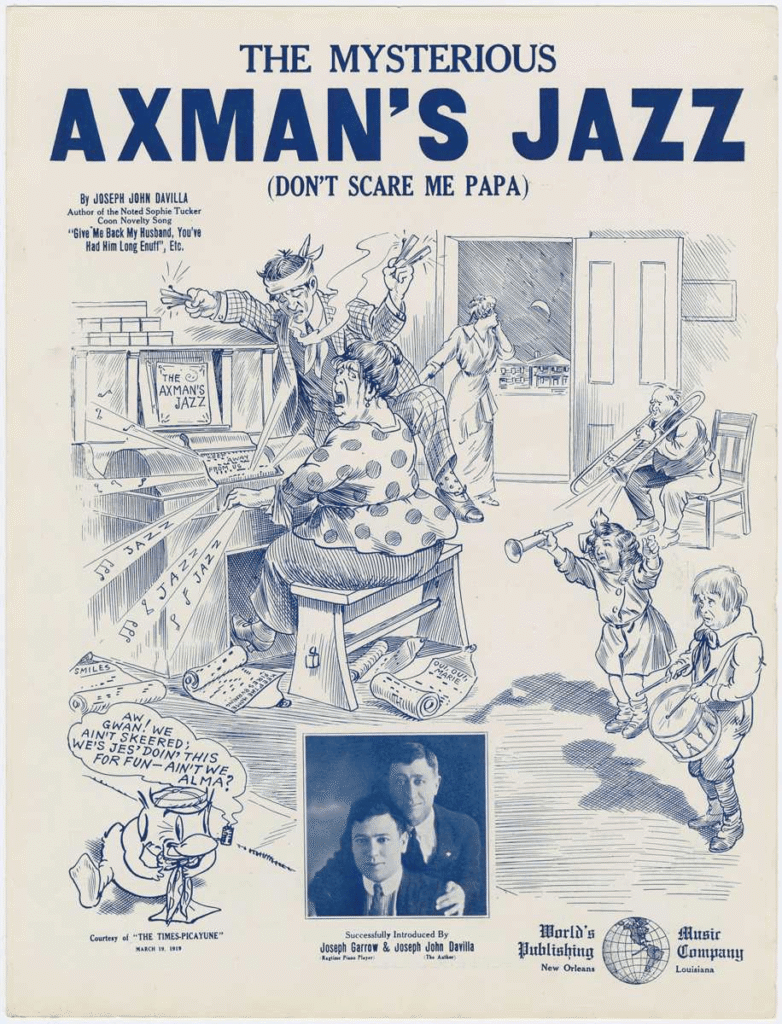
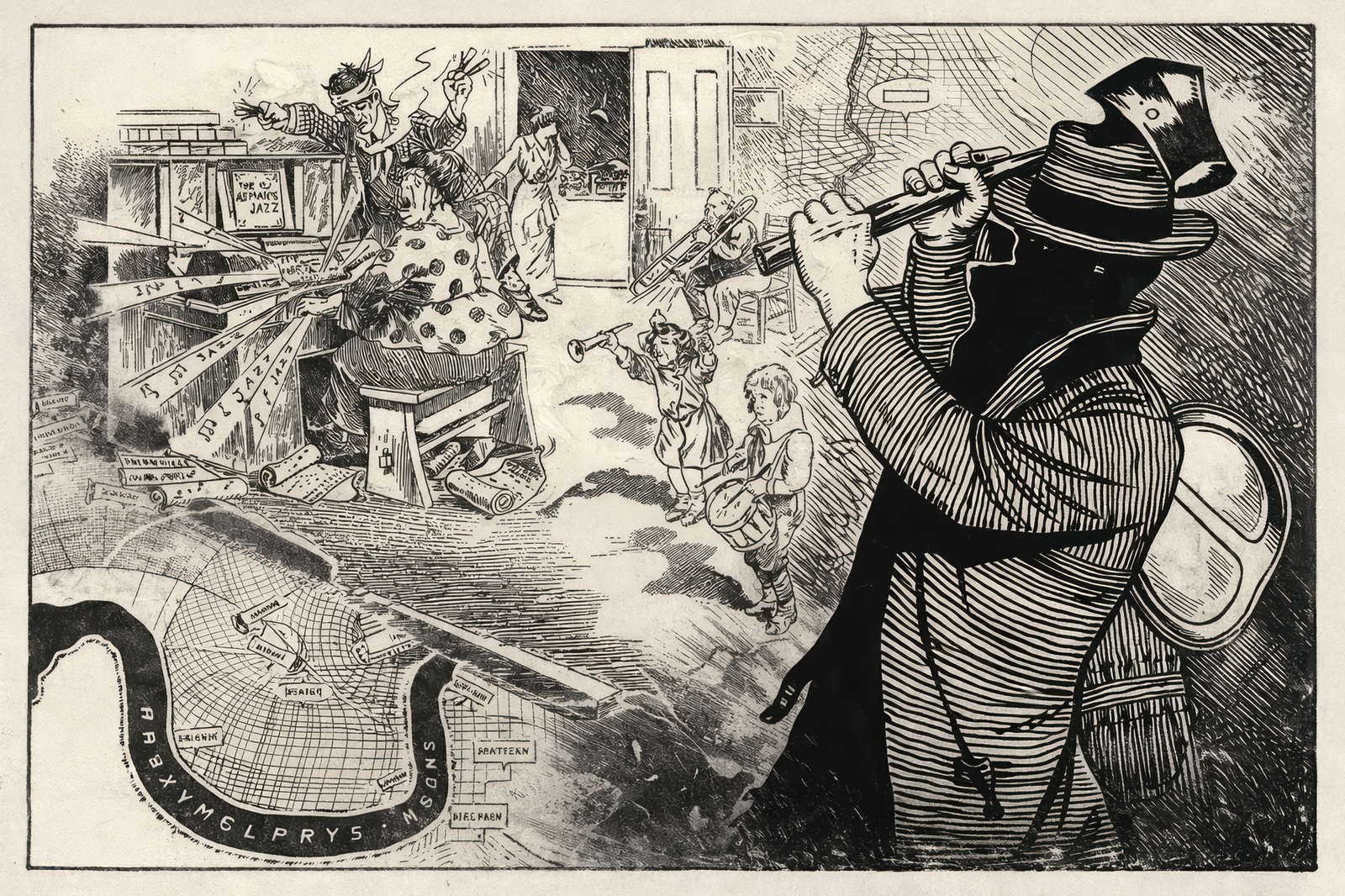
The song was written shortly after the publication of the infamous “Axeman’s Letter” in which the alleged killer claimed he would spare anyone listening to jazz on the night of March 19, 1919. The sheet music featured artwork of a shadowy ax-wielding figure looming over New Orleans, making it one of the most recognizable cultural artifacts associated with the case. The song itself is an upbeat jazz number that capitalized on the public fascination with the murders rather than recounting the crimes. The song was inspired by the widespread panic caused by the Axeman’s letter.
Who Was the Axeman?
More than a century later, no one knows the identity of the Axeman of New Orleans. Some historians believe the attacks may have been linked to extortion or the Black Hand, a criminal extortion network active among some Italian immigrant communities at the time. However, evidence remains inconclusive. Others believe the Axeman was an individual driven by a compulsion to kill—the randomness of the attacks and the lack of theft support this possibility.