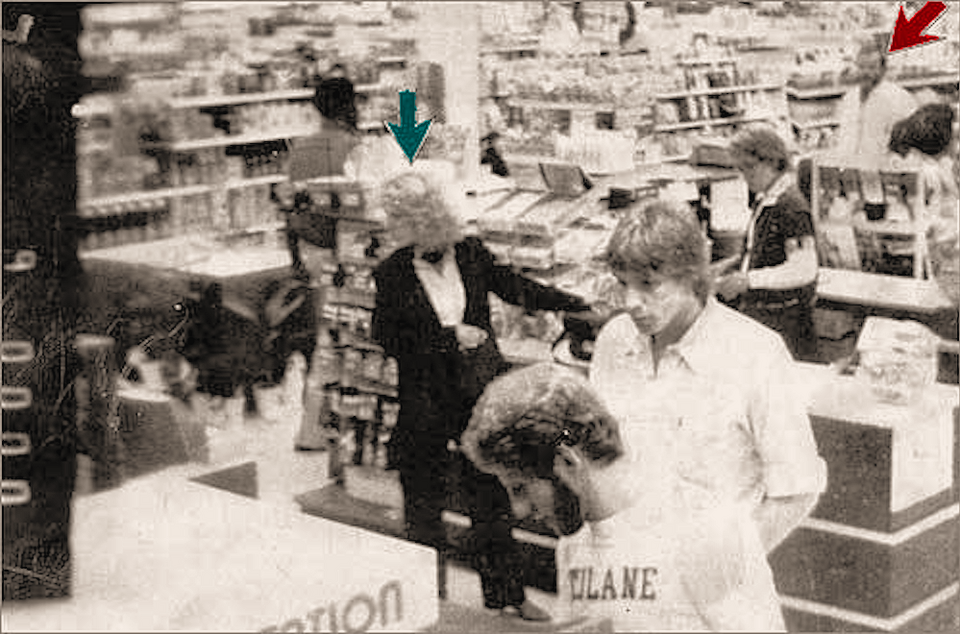
An ordinary painkiller became the centre of America’s criminal investigations in 1982. Across the Chicago metropolitan area, people began dying after taking Extra-Strength Tylenol capsules contaminated with cyanide. The victims had no apparent connection to one another, and there was no immediate explanation for why anyone would target an everyday medicine.
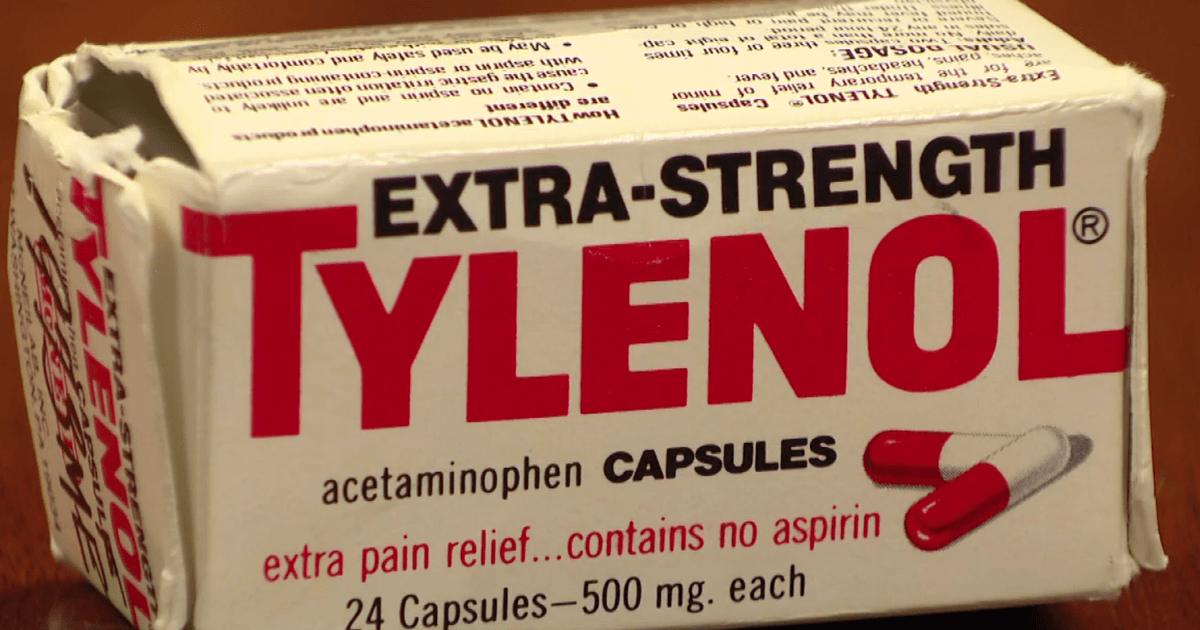
As panic spread, millions of bottles were pulled from shelves and investigators launched an extensive search for the person responsible. Although the case transformed the way medicines were packaged and sold, the identity of the killer remained a mystery for decades.
Lesen Sie auch:The Taos Hum: Unexplained Sound
A Wave of Poisonings
The first known victim was 12-year-old Mary Kellerman, who lived in Elk Grove Village, Illinois. On September 28, 1982, she took a Tylenol capsule for cold symptoms, became seriously ill and eventually died. That same day, 27-year-old postal worker Adam Janus also died after taking Tylenol. The tragedy deepened when his brother, Stanley Janus, and sister-in-law, Theresa Janus, took capsules from the same bottle and subsequently died. Three other victims were identified: Mary Reiner, a 27-year-old new mother; Mary McFarland, 31; and Paula Prince, a 35-year-old flight attendant.
Investigators determined that the capsules had been contaminated with potassium cyanide. The poisonings appeared to be connected not to a single household or workplace but to products that had reached consumers through ordinary retail channels. The victims’ lack of an obvious connection made the investigation particularly difficult. There was no clear motive, no immediately identifiable suspect and no straightforward explanation for how the contaminated products had reached store shelves.
Quelle:The Chicago Tylenol Murders
A Nationwide Panic and a Massive Investigation
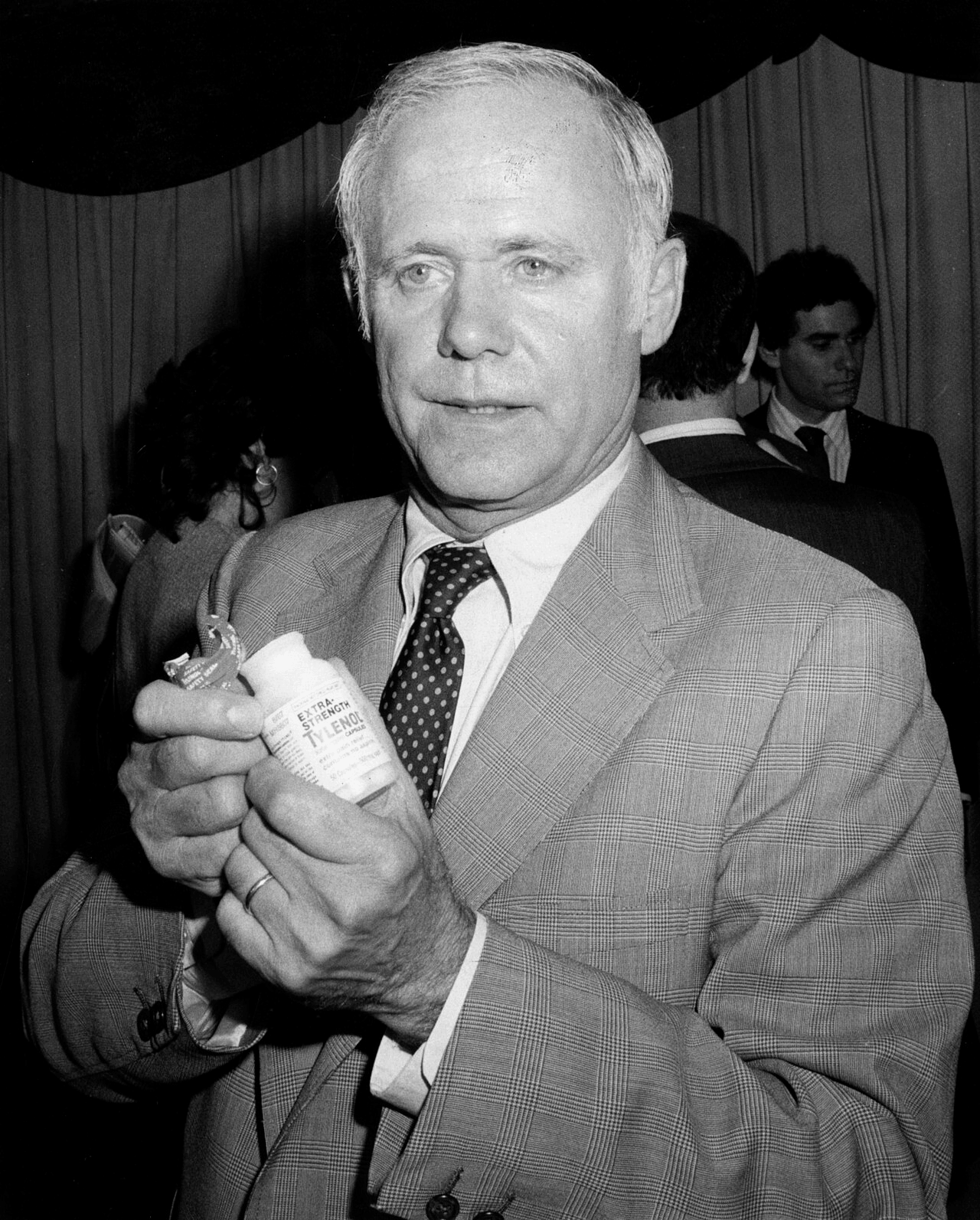
As news of the deaths spread, fear extended far beyond Chicago. Consumers began questioning whether medicines in their homes were safe, and authorities urged people to exercise caution with Tylenol products. Johnson & Johnson, the manufacturer of Tylenol, responded by recalling millions of bottles. The crisis became one of the most significant product-tampering investigations in American history, involving the FBI and numerous state and local law enforcement agencies.
Investigators faced a difficult question: Where had the tampering taken place? The evidence suggested that the capsules had been contaminated after leaving the manufacturing process. This raised the possibility that someone had accessed products after they reached the distribution or retail stage. The absence of a clear connection between the victims made it difficult to establish a reliable sequence of events or identify a specific location where the tampering had occurred.
The case also changed consumer safety practices. Tamper-evident packaging became much more prominent, and federal legislation introduced in 1983 made tampering with consumer products a federal crime. The tragedy demonstrated how a single criminal act could undermine public confidence in an entire category of everyday products.
James Lewis: The Man Investigators Suspected

One of the most significant developments came when an individual named James W. Lewis sent an extortion letter to Johnson & Johnson. The letter demanded $1 million and threatened further deaths unless the money was paid. Investigators connected Lewis to the letter through fingerprints. He was eventually arrested and convicted for attempted extortion. However, he was never charged with the seven murders.
Quelle:Tylenol murders
Lewis denied committing the murders. Subsequent investigative efforts included a search of his home in 2009 and DNA comparisons in 2010. The testing did not establish a match between his DNA and evidence recovered from the contaminated bottles. Despite the suspicions surrounding him, investigators did not obtain sufficient evidence to charge him with the killings. Lewis died in July 2023, leaving the case without a judicial resolution.
A New Lead Decades Later
For years, the investigation appeared to have reached a dead end. However, a reported development involving the identity of a man who died from cyanide poisoning in Idaho in 1982 brought renewed attention to the case. The man, identified as Mathew Francis Betkouski, had previously been known as an unidentified person. Investigators examining his death reportedly uncovered information that attracted the attention of authorities looking into the Chicago Tylenol murders.
According to reports, Betkouski had worked in drugstores, had expressed an interest in cyanide and the idea of committing the “perfect crime”, and had visited the Chicago area before the 1982 poisonings. These details prompted renewed interest in a possible connection between the two cases. Investigators in Idaho reportedly shared relevant information with Chicago authorities. However, the connection remains unproven. Authorities have not conclusively identified Betkouski as the perpetrator of the Tylenol murders. The development nevertheless introduced a new line of inquiry into a case that had remained unresolved for more than four decades.
A Case Without Closure
The Chicago Tylenol murders remain one of the most consequential unsolved criminal cases in modern American history. Seven people lost their lives, an entire country questioned the safety of everyday medicines, and the investigation changed product packaging practices for generations.
Although James Lewis remained a major figure in the investigation, he was never convicted of the murders. The potential lead involving Betkouski has renewed questions about the case, but no publicly established evidence has conclusively identified the person responsible. The greatest difficulty may lie in the nature of the crime itself. The victims were seemingly unrelated, the contaminated products had passed through ordinary commercial channels, and the available evidence has not produced a definitive answer. More than four decades later, the central question remains unanswered: Who contaminated the Tylenol capsules, and why?
Lesen Sie auch:Top 5 Chinese Folklore Stories That Will Leave You Wondering