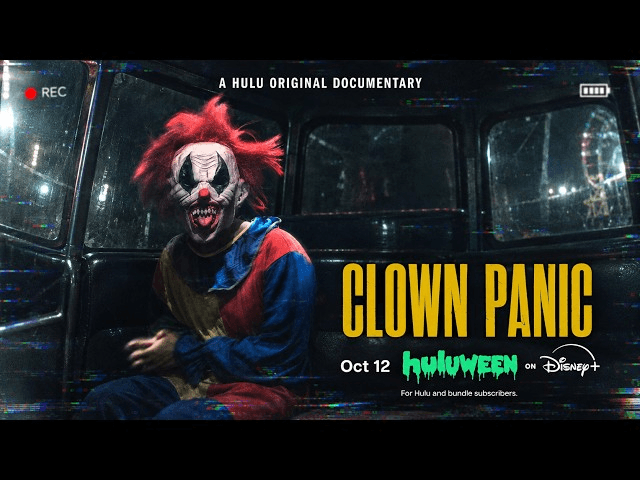
In 2016, reports of sinister clowns lurking near neighbourhoods and schools turned an ordinary figure of entertainment into a source of widespread fear. What began as a series of unsettling sightings soon spiralled into a viral phenomenon, fuelled by alarming images, online rumours and growing public anxiety.
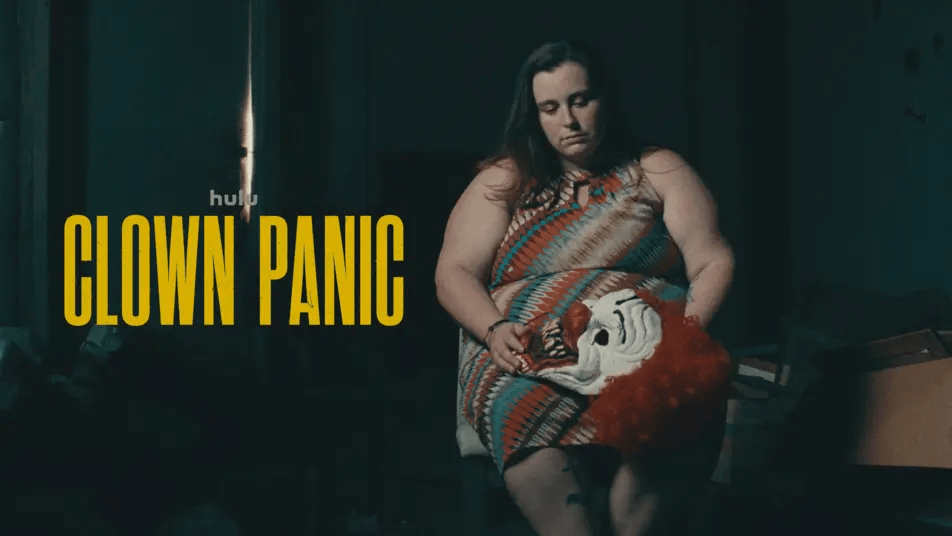
Nearly a decade later, Hulu’s Clown Panic revisits the bizarre events that blurred the line between genuine threats and internet-fuelled hysteria. The documentary examines how the creepy-clown phenomenon spread, why it captured public attention, and how social media helped transform isolated reports into a much larger cultural scare.
Also Read: The Widower: ‘Til Death Do Us Part (2026)
How the 2016 Clown Panic Began
The documentary revisits South Carolina, where reports of mysterious clowns hiding in wooded areas began attracting attention in 2016. Some children reportedly described seeing clowns near their community, and the stories soon travelled beyond the places where they originated.
As reports multiplied, the phenomenon became increasingly difficult to separate from rumour and imitation. News coverage amplified the stories, while social media allowed photographs, videos and unverified claims to reach audiences far removed from the original incidents. The consequences were not limited to online discussions. Reports prompted police investigations, heightened concern among parents and school-related security measures in some communities. In several instances, authorities also dealt with hoaxes and copycat behaviour, demonstrating how the growing panic could create real-world disruption even when individual claims remained unsubstantiated.
The fear was particularly striking because it revolved around a recognisable cultural symbol. Clowns had long appeared in horror films and popular entertainment, but the 2016 sightings seemed to bring that unsettling image into ordinary neighbourhoods. For people encountering alarming posts or hearing reports from nearby communities, the distinction between a staged prank and a credible threat was not always immediately clear.
What Does Hulu’s Clown Panic Explore?
Released on 12 October 2026 as part of Hulu’s Huluween programming, Clown Panic uses archival footage, viral internet videos and interviews with witnesses, law enforcement personnel, and cultural commentators to revisit the events. Its approach places the phenomenon within a broader discussion about how fear spreads and how public perception can change when information circulates faster than it can be verified.
One of the documentary’s most interesting subjects is the relationship between social media and collective anxiety. “When I’m thinking about what happened in 2016, it feels so absurd, but underneath that is something that I think is kind of approaching what we call a moral panic,” director Ed Perkins tells Gold Derby, comparing it to the “Salem witch trials for the digital age.”
A single unusual sighting might once have remained a local story. Online platforms, however, can connect similar reports from different locations, making separate incidents appear to form part of a coordinated pattern. Each new post can reinforce existing fears, encouraging more people to share their own encounters or interpret ambiguous events through the same lens. The film also considers the people affected by the panic. While frightening clown imagery attracted attention, performers who worked as clowns faced an uncomfortable association with threats and intimidation despite having no connection to the incidents. The episode illustrates how a widespread rumour can influence the reputation of an entire group.
The documentary combines the unsettling atmosphere of the original events with a closer examination of their social consequences. Its subject is unusual, but the questions it raises are familiar. How does misinformation gain credibility? Why do frightening stories spread so quickly? And what happens when public anxiety begins influencing behaviour?
When Online Fear Becomes Reality
The 2016 clown panic offers a revealing example of how modern urban legends develop. Fear does not always require a single confirmed explanation or a clearly identified threat. Sometimes, uncertainty itself allows a story to grow, particularly when alarming images and repeated claims circulate across different platforms. The phenomenon also demonstrates that an event can have genuine consequences even when many of the stories surrounding it are exaggerated, unverified or deliberately fabricated. Police resources, school routines, public trust and the livelihoods of innocent people can all be affected by the spread of a rumour.
With Clown Panic, Hulu revisits a peculiar chapter of recent internet culture through the perspective of a decade’s hindsight. The documentary is not simply about why people found masked figures frightening. It is about how a collection of unsettling reports became a shared national obsession, and how technology helped that transformation happen.
Ultimately, the clown scare remains a reminder that viral attention is not the same as verified evidence. In an online environment where disturbing stories can travel across the world within minutes, the challenge is not only deciding what is frightening, but also determining what is actually true.
Also Read: The Dorothy Jane Scott Murder: The Mystery of the Unknown Caller