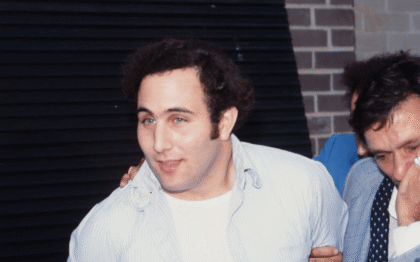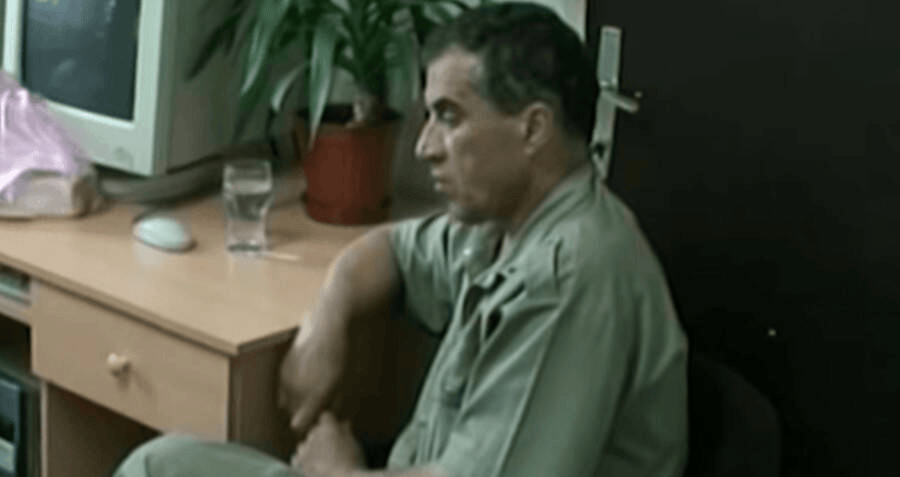
Vlado Taneski was a Macedonian journalist whose name became synonymous with one of the most disturbing true crime cases in the Balkans. For years, he worked as a local reporter in Kičevo, covering everyday community stories and the grim murders that later made him infamous. In 2008, he turned out to be the very killer he had been writing about, turning a trusted newsroom figure into the central suspect in a shocking murder investigation.
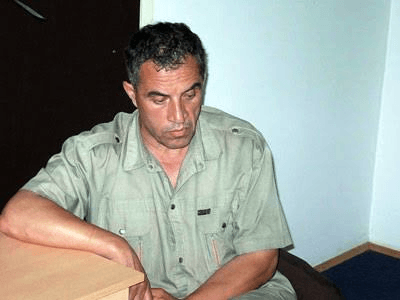
What made the case especially unsettling was the overlap between his profession and the crimes. Taneski’s articles were said to contain details that had not been publicly released, which immediately raised suspicion among investigators. The closer police looked, the more the story appeared to point back to the reporter himself.
Also read: The Cryptoqueen: Ruja Ignatova
Vlado Taneski’s Background
Taneski was born in 1952 and spent a good span of time working in journalism. He was based in Kičevo, a small town in North Macedonia, where he reported on local affairs and crime. By the time his arrest made headlines, he was already known in the community as an experienced journalist who regularly reported crimes rather than a public criminal figure.
Reports about the case suggest that he may have had a complicated personal history and an unusual fixation on the victims based on the similarity of age and background. Some sources noted that the women he was linked to were older, poor, and worked as cleaners, and investigators believed they were similar to his mother in age and social background. That detail became one of the key theories in the case, even though no final trial ever settled every question.
The Victims
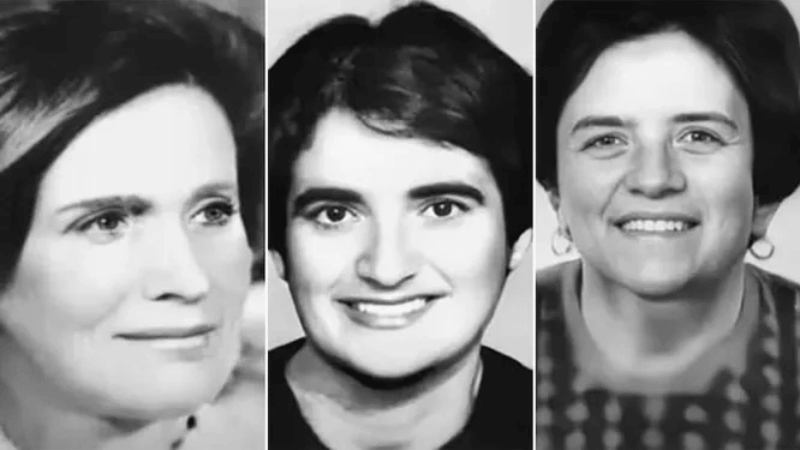
The case centred on three women: Mitra Simjanoska (64), Ljubica Licoska (56), and Zivana Temelkoska (65).
Mitra Simjanoska was the first major victim linked to the investigation. She disappeared in November 2004 and was later found dead in January 2005. Reports described the recovered body as bound, unclothed, tortured, and strangled with telephone cable, found wrapped in a plastic garbage bag in disposal sites around the town of Kičevo.
Ljubica Licoska vanished in November 2007 after leaving home to buy groceries. Her body was found in February 2008, and authorities said she had also been s*xually assaulted, beaten, and strangled. Zivana Temelkoska, the last known victim, disappeared in May 2008. Days later, her body was found similarly to the previous bodies that were recovered.
How the Police Closed in
The turning point came when police noticed that Taneski’s reporting included information that had not been shared with the public. He appeared to know “too much” about the crime scenes, the method of killing, and the condition of the bodies. That detail, combined with forensic evidence, shifted him from a reporter on the case to the prime suspect. DNA evidence reportedly linked Taneski to the murders, giving police grounds to charge him. He was arrested on June 22, 2008, and the police recovered telephone cords, the victim’s personal belongings, and in-depth writings on them after searches in his home.
Source: Journalist Wrote About a String of Gruesome Murders — But He Was Hiding a Secret and ‘Knew Too Much’
Charges and Ending
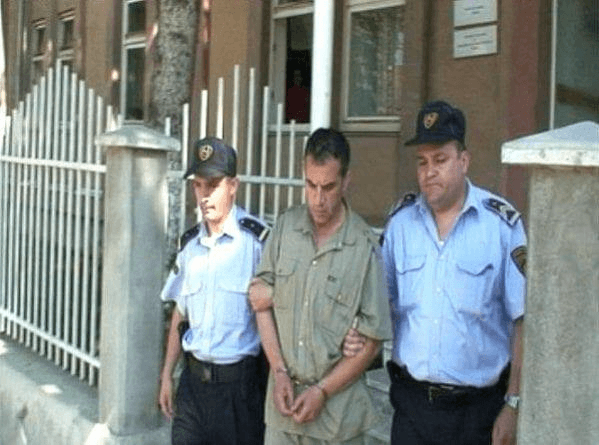
Taneski was formally charged with the murders of Zivana Temelkoska, Ljubica Licoska, and Mitra Simjanoska. He was also suspected of having a possible connection to the disappearance of a 78-year-old cleaner because of the strikingly similar pattern in his choice of victims. However, he was found dead in his prison cell on 23 June 2008, preventing the case from proceeding to trial. Authorities ruled his death a suicide, concluding that he had drowned himself by submerging his head in a bucket of water inside his prison cell.
Conclusion
Vlado Taneski’s case remains one of Europe’s most unsettling criminal cases. It exposed how a trusted local journalist could allegedly hide violent crimes behind his reporting. Because he died before trial, there was no courtroom conviction, leaving the case legally unfinished, but a name strongly associated in public memory as one of Macedonia’s notorious serial killers.
Also read: The Witness (2026): A Netflix Series Review