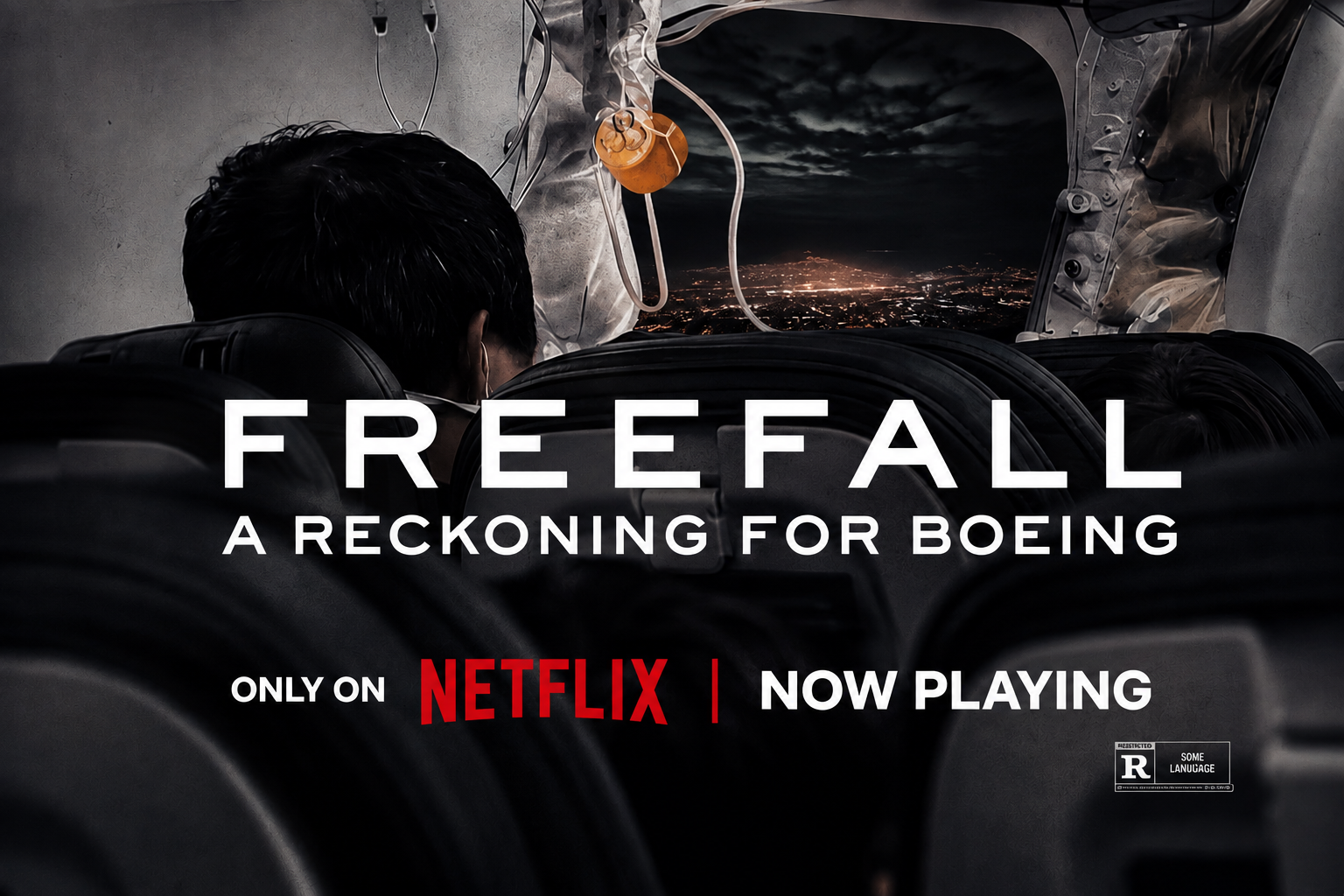
Netflix’s Freefall: A Reckoning for Boeing returns to one of the most controversial corporate and aviation stories of recent years. Directed by Rory Kennedy, the 2026 documentary examines Boeing’s troubled history through whistleblower accounts, questions surrounding aviation safety, and the company’s response to repeated warnings. Rather than focusing solely on the 737 MAX disasters, the film looks at the wider culture and decisions that allowed Boeing’s problems to persist.
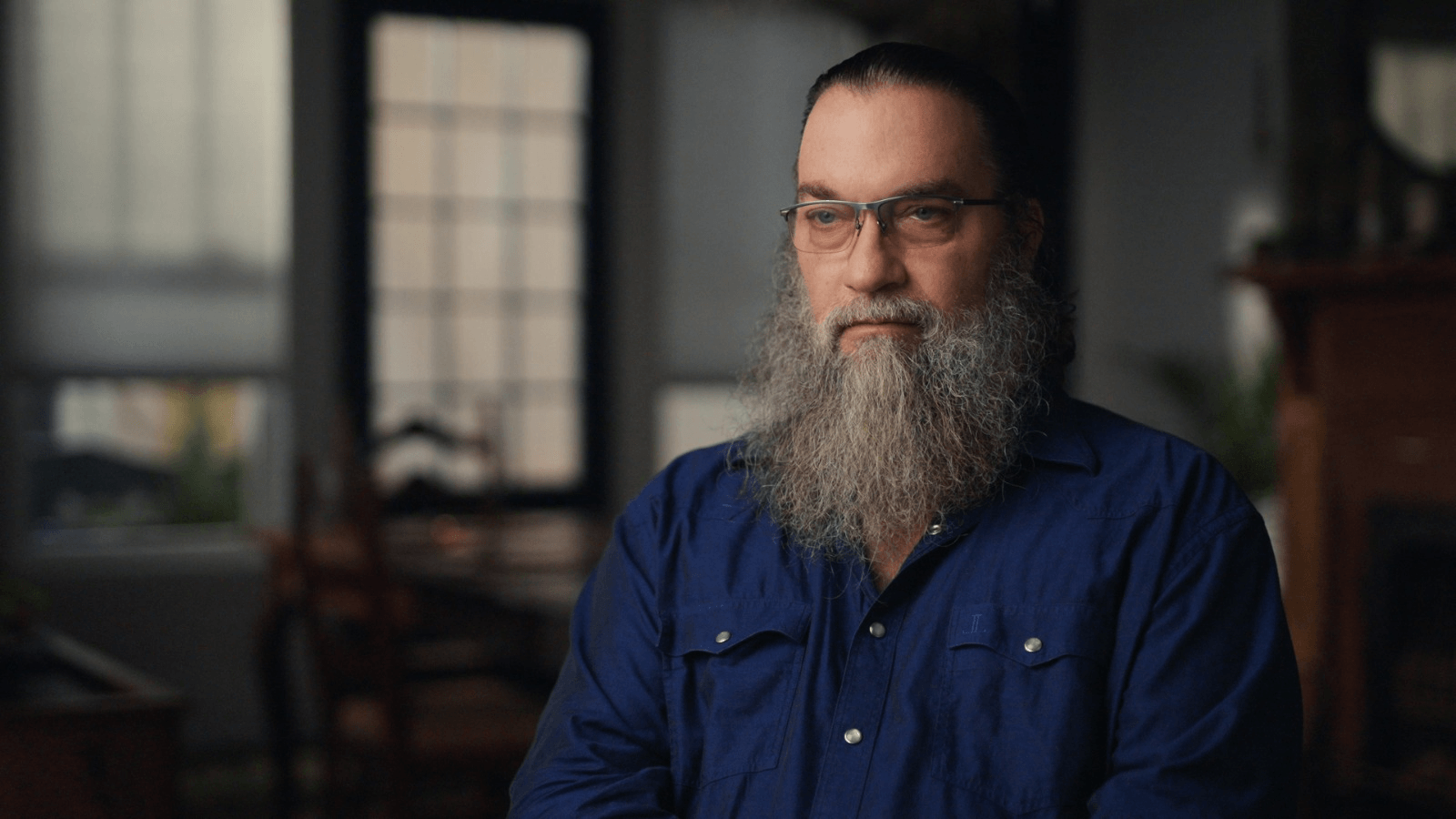
Following the success of Downfall: The Case Against Boeing, Freefall tells audiences something new about a story that has already received extensive coverage. The documentary expands its focus, particularly through the story of former Boeing quality manager John Barnett and other whistleblowers.
Also Read: Netflix’s A Toxic Love Story (2026): Worth Watching?
Freefall: A Reckoning for Boeing Goes Beyond the Headlines
Directed by Rory Kennedy, the August 19, 2026, released documentary follows the disturbing trail of safety complaints and whistleblower testimony surrounding Boeing. While Downfall concentrated heavily on the 737 MAX crashes, Freefall widens the lens. Kennedy examines a corporate culture that former employees describe as increasingly focused on cost-cutting, production targets, and financial performance. Netflix itself describes the film as an investigation into allegations that Boeing’s culture of cost-cutting and cover-ups contributed to fatal aviation safety failures.
John Barnett’s story gives the documentary much of its emotional weight. The former Boeing quality manager had spent decades at the company before raising concerns about manufacturing and safety practices. His recordings and testimony are particularly effective because they allow audiences to hear his concerns in his own words rather than simply receiving a retrospective account of them.
The documentary also connects these concerns to the wider Boeing controversy, including the two fatal 737 MAX crashes and the 2024 Alaska Airlines door-plug incident. Rather than presenting these events as isolated failures, Kennedy constructs an argument that they should be examined as symptoms of deeper systemic problems.
The strongest part of Freefall is also what makes it uncomfortable. It does not treat Boeing’s problems as an abstract corporate scandal. The film repeatedly brings the consequences back to ordinary passengers, employees, and families. Its interviews with whistleblowers are compelling, and the inclusion of Barnett’s testimony gives the film an unusually personal dimension. The documentary also benefits from its timing.
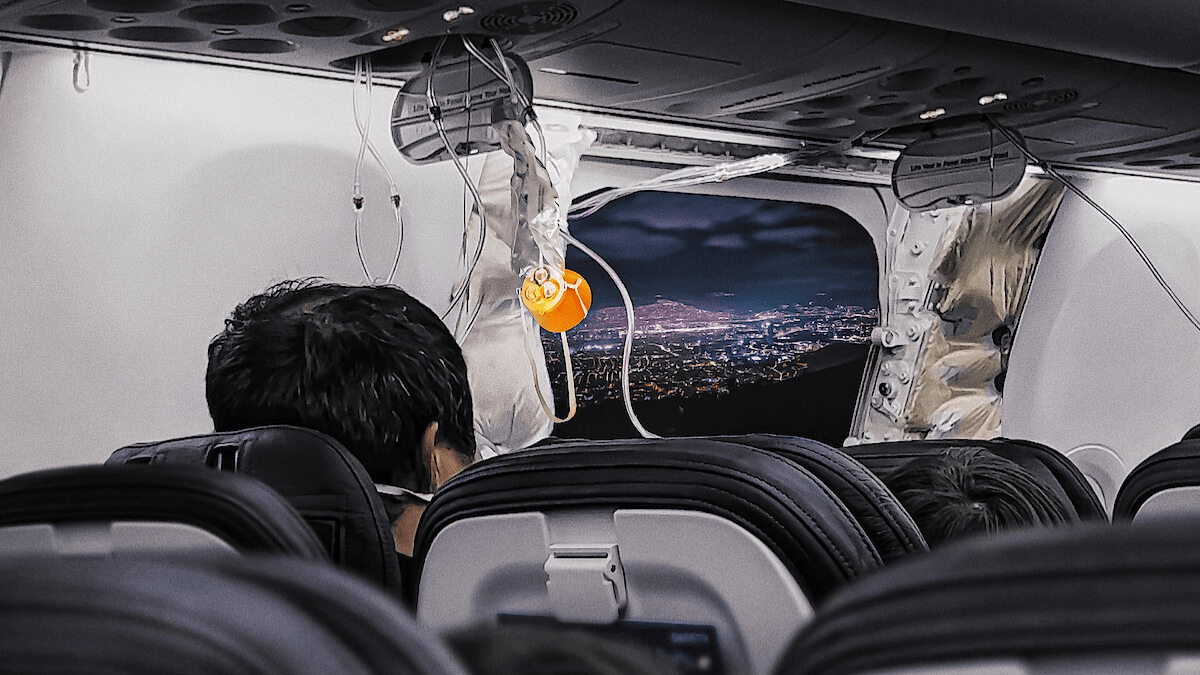
Viewers who watched Downfall may find parts of Freefall familiar. Yet the repetition also serves a purpose: the film argues that the Boeing story did not end when the 737 MAX was grounded, investigations began, or promises of reform were made. Importantly, Freefall does not simply turn John Barnett’s death into a conventional true-crime mystery. Kennedy has explained that the film deliberately keeps the investigation into his death from becoming its entire focus, instead using his story to examine the larger corporate and safety issues surrounding Boeing.
Source: ‘Freefall: A Reckoning for Boeing’ Review: Flight Risks
Final Thoughts: Is Freefall Worth Watching?
Freefall: A Reckoning for Boeing is an uncomfortable but worthwhile documentary, particularly for viewers interested in corporate scandals, investigative journalism, aviation, or documentaries that examine the consequences of institutional failure. It works effectively as a continuation of Downfall. Where Downfall asked how Boeing reached the 737 MAX crisis, Freefall asks a more unsettling question: what happened after the warnings became impossible to ignore?
The film’s greatest strength is its ability to make corporate accountability feel personal. Whistleblowers are not presented merely as sources of information. They become central figures in a story about the risks of speaking up when powerful institutions are involved. It is an urgent documentary about safety, corporate responsibility, and the human cost of ignoring warnings. If you enjoyed Downfall: The Case Against Boeing (2022), Freefall: A Reckoning for Boeing (2026) is a natural follow-up.
Streaming now on Netflix.
Also Read: Nasnas: The Half-Human Creature of Arabian Folklore