Some disappearances begin with a scream. Others begin with silence. On February 17, 2008, Marilyn Bergeron walked out of her family’s home in Quebec City, Canada. She climbed into her grey Toyota Matrix and drove away. She was expected to return. She never did. But what makes Marilyn’s case so haunting isn’t just her disappearance. It’s what happened in the weeks before it.

She had abruptly left Montreal, abandoned the life she had built, and returned to her parents’ home in fear. She repeatedly told them that she had done “something terrible.” When her family asked what she meant, she refused to explain.
Was she hiding from someone?
Was she protecting someone?
Or was the truth too frightening to say aloud?
Who Was Marilyn Bergeron?

Marilyn Bergeron was born in 1983 and grew up in Quebec. Friends described her as friendly, independent, and intelligent. She enjoyed music, art, and spending time with people she cared about. Like many young adults, she had moved away from home to build her own life. She eventually settled in Montreal, where she worked and lived independently. Nothing about her life suggested she would suddenly disappear. Then, everything changed.
Also Read: Inside the Joshua Guimond Cold Case
A Sudden Return Home
In January 2008, Marilyn unexpectedly left Montreal and returned to live with her parents in L’Ancienne-Lorette, near Quebec City. The sudden decision surprised everyone. She seemed deeply distressed. Her parents noticed almost immediately that something wasn’t right. Marilyn appeared nervous, anxious, and constantly on edge. She avoided discussing what had happened in Montreal. Whenever they tried asking, she would change the subject. Then came the sentence that would define the entire mystery.
“I’ve done something terrible.”
She reportedly repeated similar statements more than once. But she never explained what she meant. According to reports, Marilyn also told others she was frightened. According to her family, she appeared convinced that someone might be looking for her. Whether that fear was based on a real threat or something only she perceived has never been established publicly. Investigators have never confirmed any evidence that she was being actively pursued. This uncertainty has fueled years of speculation.
The Last Confirmed Day
Note: The exact sequence of her final movements is not completely certain from public records.
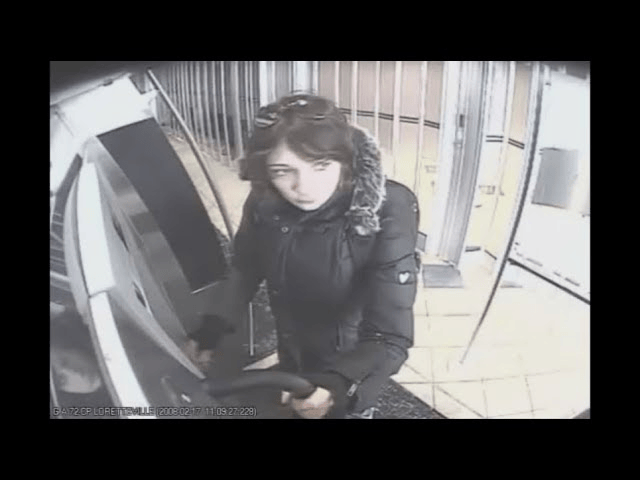
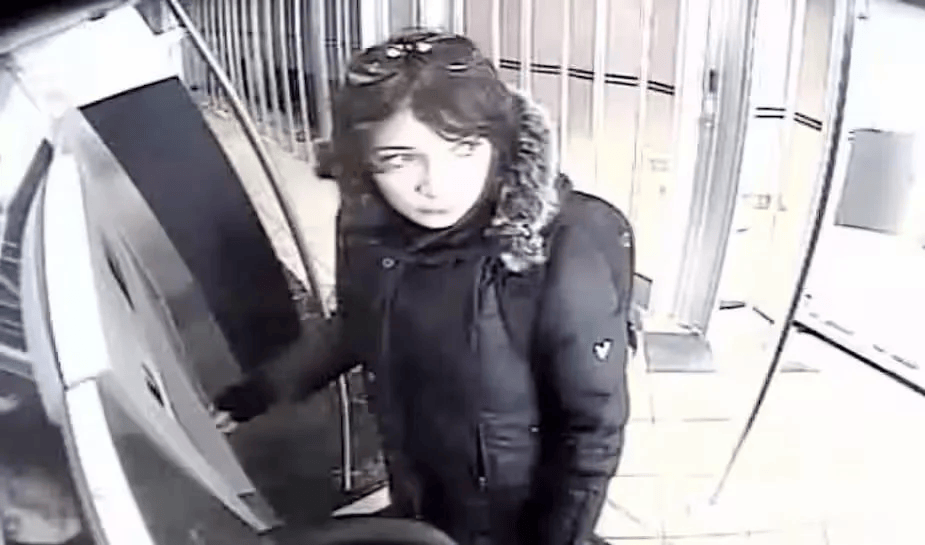
On February 17, 2008, Marilyn Bergeron left her parents’ home. She was driving her grey Toyota Matrix. Before leaving, nothing suggested she intended to disappear forever. Hours passed without any sign of her. Then days. Then weeks. Before vanishing, she was seen at the Café Dépôt located in Place Royale, a historic area of Old Quebec. Witnesses reported that she purchased a drink and appeared to be alone. One of the most important clues emerged that same day. Security cameras recorded Marilyn at an ATM inside a shopping centre in Quebec City. The footage showed her withdrawing money. After that, the trail went cold.
Also Read: Lindsay Buziak Murder: The Unsolved Real Estate Trap
Theories Behind the Disappearance
Note: No theory has ever been proven.
Someone from Montreal
Some investigators and followers of the case believe whatever frightened Marilyn began during her time in Montreal. Maybe she witnessed something. Maybe she became involved with dangerous people, or maybe she believed she had accidentally caused harm. There is no publicly confirmed evidence supporting any specific criminal connection.
Mental Health Crisis
Another possibility is that Marilyn was experiencing a serious mental health crisis. Her unusual fear, vague statements, and sudden move home have led some observers to consider this explanation. But again, no official finding has publicly confirmed that her disappearance was the direct result of a mental illness. Without Marilyn herself, many questions remain impossible to answer.
Foul Play
Some suspect Marilyn encountered someone after leaving the ATM. If she trusted the person, she may have entered another vehicle voluntarily. If not, she could have become the victim of a crime shortly afterward. Investigators have never publicly identified a suspect.
A Voluntary Disappearance
Another theory suggests Marilyn intentionally disappeared to escape whatever troubled her. Yet this explanation raises difficult questions. She left behind her family, her identity, and every known connection. No verified financial or digital activity has convincingly shown she started a new life.
The Investigation
Police conducted extensive searches and interviewed family members, friends, and acquaintances. Her disappearance has remained an active missing-person case for years. Despite public appeals and media coverage, investigators have never announced evidence explaining what happened after the ATM recording. The case remains unsolved.
Unverified Witness Report: Nearly two years after Marilyn Bergeron disappeared, a Quebec resident reported a strange late-night encounter. Around 2 a.m, he was awakened by a knock at his door. When he answered, he found a distressed young woman in tears asking to use his telephone. After no one answered the number she dialed, she asked for directions to a nearby street and walked away into the night. The encounter seemed unremarkable at the time.
However, about three months later, the man came across a photograph of missing woman Marilyn Bergeron online and contacted authorities, convinced the woman at his door had been her. Despite the report, investigators were unable to confirm the sighting, and no evidence has ever linked the woman to Marilyn.
Source: Is Marilyn Bergeron still alive somewhere in Canada?