For five years, a serial killer terrorised communities across northern England. Between 1975 and 1980, Peter Sutcliffe, later known as the Yorkshire Ripper, murdered 13 women and attacked seven others. His crimes triggered one of the largest manhunts in British history, involving hundreds of thousands of interviews and an enormous investigation across Yorkshire and neighbouring areas.
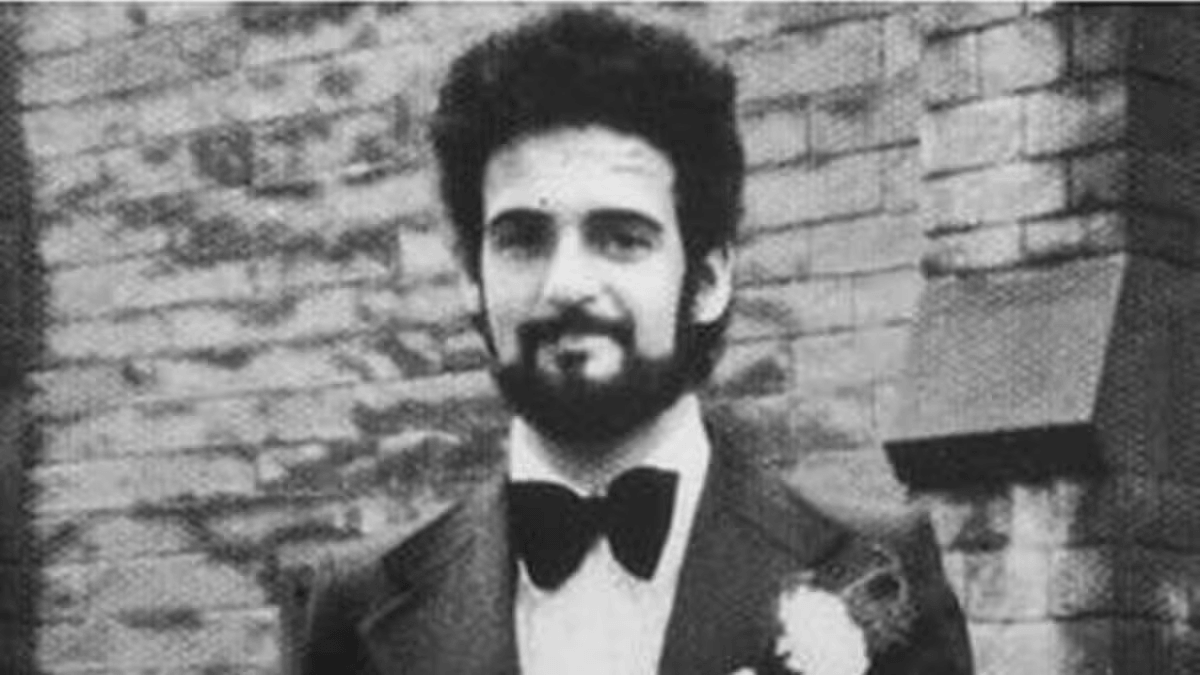
Despite the scale of the investigation, Sutcliffe was interviewed by police multiple times without being identified as the killer. A combination of investigative failures, a notorious hoax recording and missed evidence allowed the murders to continue for years. His eventual capture in January 1981 came almost by accident.
Lesen Sie auch:Hinterkaifeck Murders: Farmhouse of Secrets
The Yorkshire Ripper
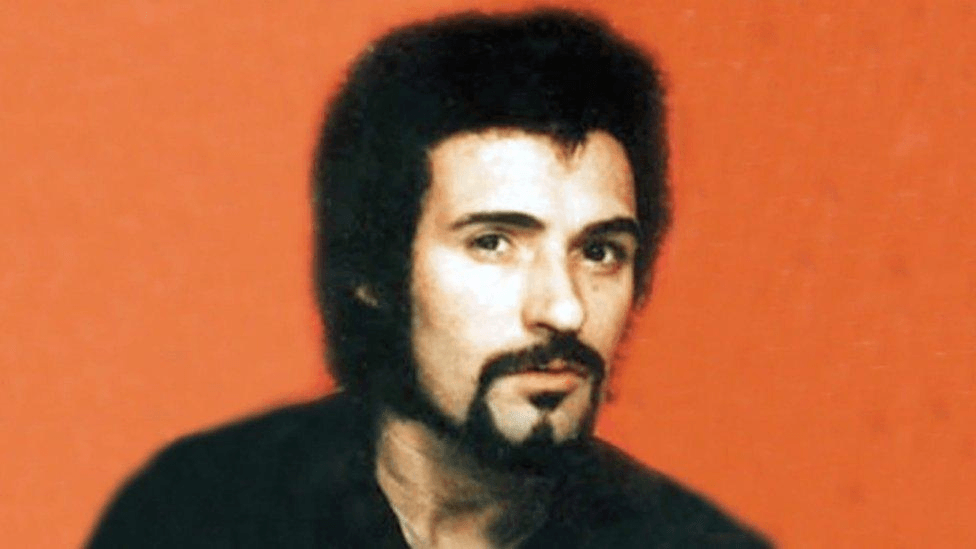
Peter William Sutcliffe, born in 1946, worked as a lorry driver before beginning a series of attacks that lasted from 1975 to 1980. Several women survived the attacks in which he used his typical weapons: a hammer or a sharpened object.
October 30, 1975 – Sutcliffe murdered 28-year-old Wilma McCann. She suffered blows to the head along with knife injuries. Her death became the first known murder attributed to him. The killing launched a major investigation, but no arrest followed.
January 20, 1976 – Sutcliffe killed 42-year-old Emily Jackson. The case shared characteristics with McCann’s murder, strengthening the belief that a serial killer was responsible.
1977, the attacks escalated – Sutcliffe murdered Irene Richardson (28), Patricia Atkinson (32), Jayne MacDonald (16) and Jean Jordan (21). MacDonald’s killing was particularly significant because she was not a sex worker, challenging assumptions about who the killer was targeting.
1978, three more victims – Yvonne Pearson (22), Helen Rytka (18) and Vera Millward (40) were murdered during the same year. Sutcliffe’s attacks had now extended beyond Yorkshire, including Manchester.
1979 – Sutcliffe murdered Josephine Whitaker (19) and Barbara Leach (20).
1980, the final murders – Marguerite Walls (47) and Jacqueline Hill (20), in August and November. He also attacked several other women during this period.
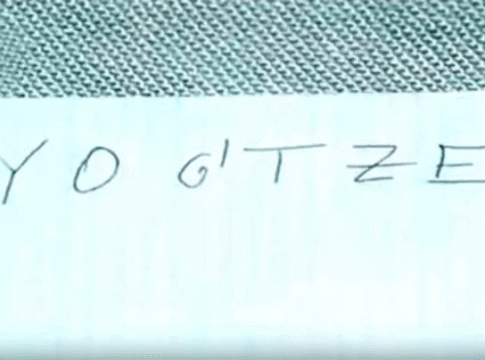
By this stage, the investigation had accumulated an enormous amount of information. Sutcliffe himself had already been interviewed nine times, but investigators failed to identify him as the killer. A major distraction was the so-called Wearside Jack hoax: a man named John Humble sent police a recording and letters claiming to be the Ripper, sending investigators down a false trail toward the north-east of England.
Quelle:The Yorkshire Ripper is apprehended
How Was the Yorkshire Ripper Finally Caught?
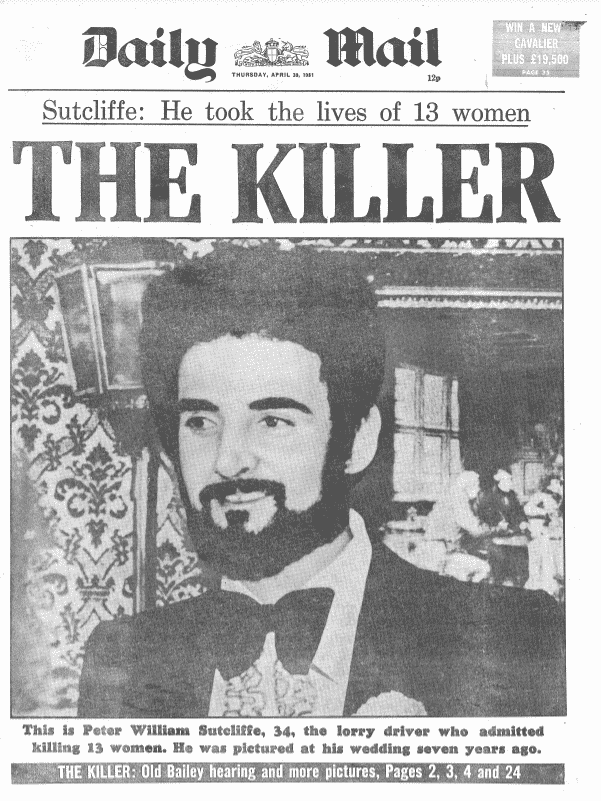
The end of the manhunt came on January 2, 1981, in Sheffield. Two South Yorkshire police officers noticed a car with false registration plates. Inside was Sutcliffe, accompanied by a sex worker. The officers arrested him because of the suspicious circumstances surrounding the vehicle, and he was taken away for questioning. Afterwards, Sergeant Ring, who arrested Sutcliffe, returned to the location and discovered a hammer and knife that had been left nearby. The discovery became crucial evidence. Sutcliffe was transferred to West Yorkshire Police for intensive questioning, and on January 4, 1981, he admitted that he was the Yorkshire Ripper and began giving a statement.
After years of painstaking investigation, the manhunt ended because of a relatively ordinary police stop involving false number plates. The weapons found afterwards helped connect the apparently routine arrest to the murders investigators had been trying to solve for years.
Quelle:Netflix’s The Ripper Examines Why the Police Failed to Catch the Yorkshire Serial Killer For Years
What Happened to Peter Sutcliffe?
After his arrest in January 1981, Peter Sutcliffe was charged with the murders of 13 women and the attempted murders of seven others. His trial began at the Old Bailey in May that year. Sutcliffe pleaded not guilty to murder on the grounds of diminished responsibility, but the jury rejected his defence and found him guilty of all 13 murders. He was given 20 concurrent life sentences and a recommended minimum of 30 years before any possibility of parole.
Sutcliffe spent the rest of his life in custody, initially in prison before being transferred to Broadmoor Hospital in 1984 after being diagnosed with paranoid schizophrenia. He remained there for decades and later returned to prison custody. On 13 November 2020, Sutcliffe died at University Hospital of North Durham after contracting COVID-19 after reportedly refusing any treatment for the same. He was 74 years old.
The case later became an important example of how investigative assumptions can affect a major criminal investigation. Police had concentrated heavily on the idea that the killer primarily targeted sex workers, while several victims did not fit that profile. The investigation was also badly affected by the Wearside Jack hoax and the huge volume of information gathered over five years.
Lesen Sie auch:Jennifer Kesse: Vanished Between Home and Work