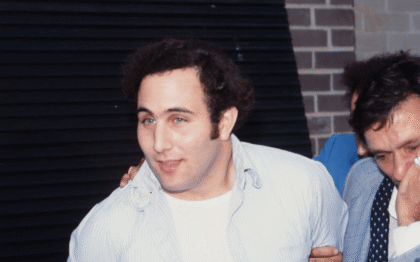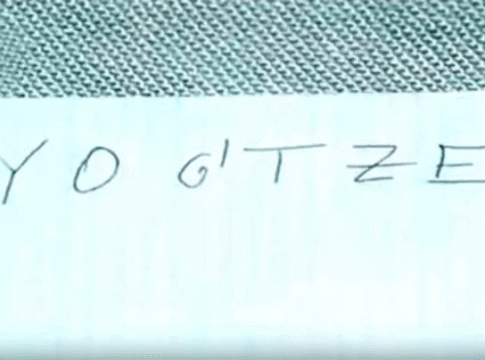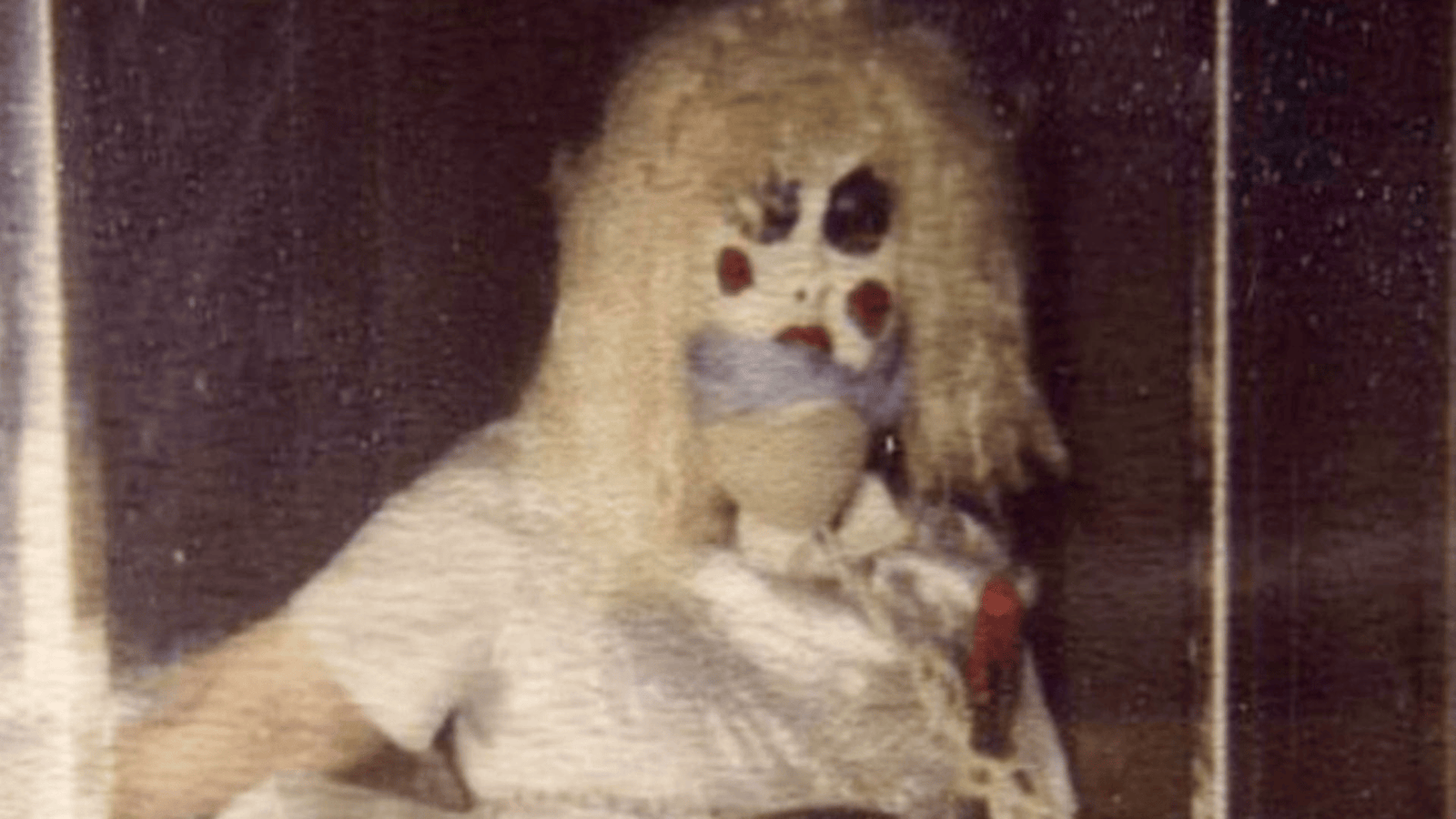
For more than three decades, a killer hid behind an ordinary life in Wichita, Kansas. He was a husband, a father, a church leader, and a local employee. But behind that nicely maintained public image was Dennis Rader, the man who referred to himself as BTK- Bind, Torture, Kill. There was no warning. No pattern that anyone could recognize. One day, an ordinary family would vanish into unimaginable horror, and then the killer would disappear without a trace. The only clue left behind was a chilling signature hidden within taunting letters sent directly to police and the media.
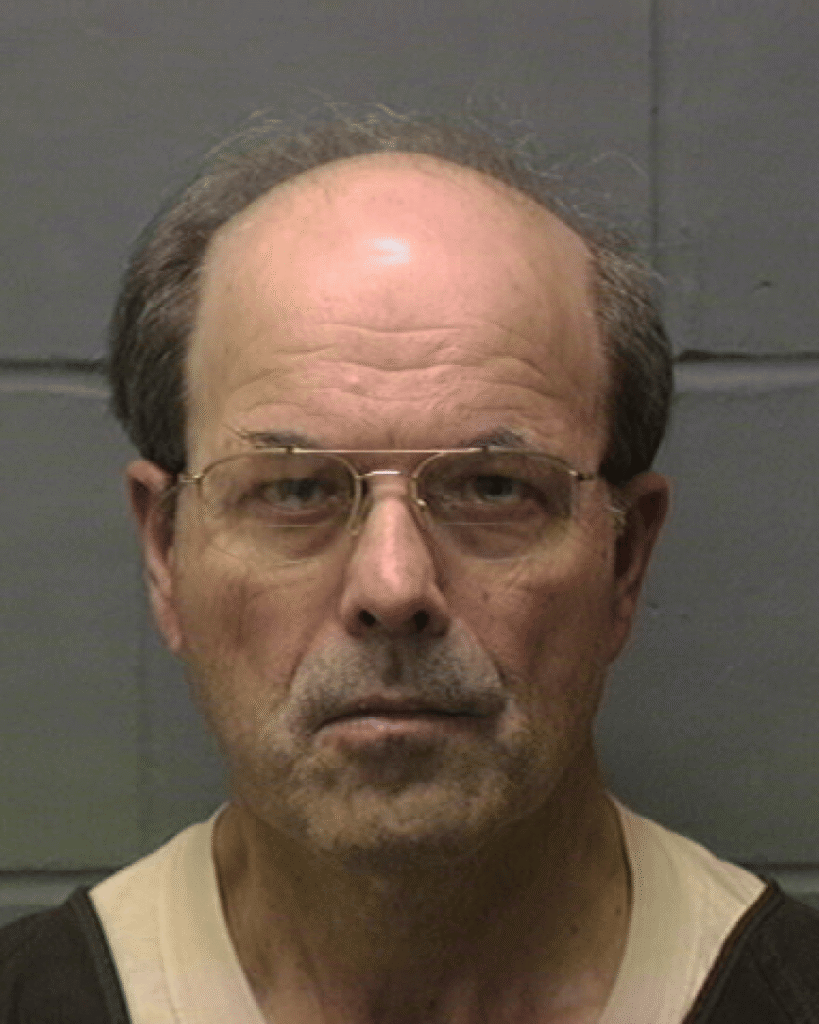
For more than 30 years, fear gripped Wichita, Kansas, as investigators struggled to identify the elusive predator hiding in plain sight. While the city searched for a monster, the man happily lived an ordinary life. This is the story of the BTK Killer, Dennis Rader. A chilling case of deception, obsession, and a decades-long hunt that finally ended because of a single mistake. From his first brutal murders to the investigation that exposed his double life, this case remains one of the most disturbing examples of how evil can hide behind the most ordinary face.
Also Read: The Cryptoqueen: Ruja Ignatova
Dennis Rader Before Becoming the BTK Killer
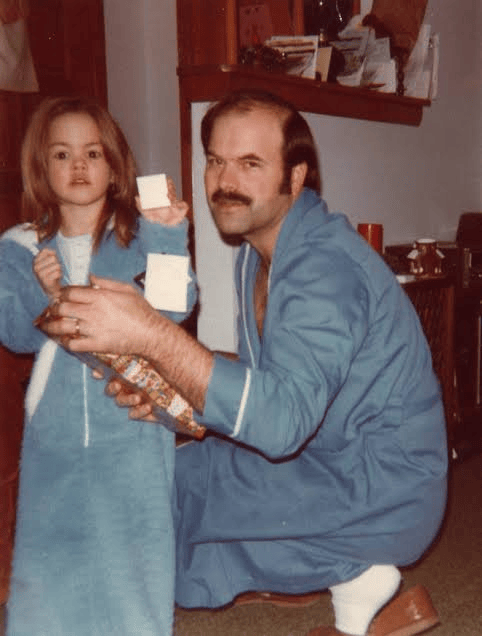
Long before the name BTK became synonymous with fear, Dennis Rader was simply another boy growing up in the quiet plains of Kansas. Born on March 9, 1945, in Pittsburg, Kansas, Rader was the oldest of four sons born to William Elvin Rader and Dorothea Mae Cook Rader. Soon after his birth, the family settled in Wichita. To neighbors, teachers, and relatives, Dennis appeared unremarkable. He attended local schools, completed chores, and lived a typical middle-class childhood. Yet beneath that ordinary exterior, investigators and psychologists later concluded that Rader had begun developing disturbing fantasies at a young age.
Growing up in a World of Violent Fantasies
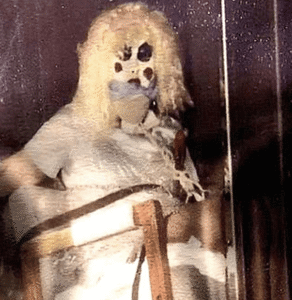
According to Dennis Rader’s own future statements and court testimony, he experienced violent fantasies during adolescence. He talked about becoming fascinated with domination, restraint, and control. These thoughts remained unnoticed by everyone around him. As he grew older, those fantasies became increasingly elaborate. Rather than fading with age, they developed into recurring obsessions that he later claimed he struggled to suppress.
Researchers have long debated what shaped Rader’s psychology. It can be a combination of personality traits, compulsive behaviors, and long-standing violent fantasies. Others emphasize that no single childhood event explains why someone becomes a serial killer. Many people experience difficult childhoods without ever committing violent crimes. Ultimately, there is no accepted scientific explanation that fully accounts for Rader’s actions.
Building the Perfect Mask
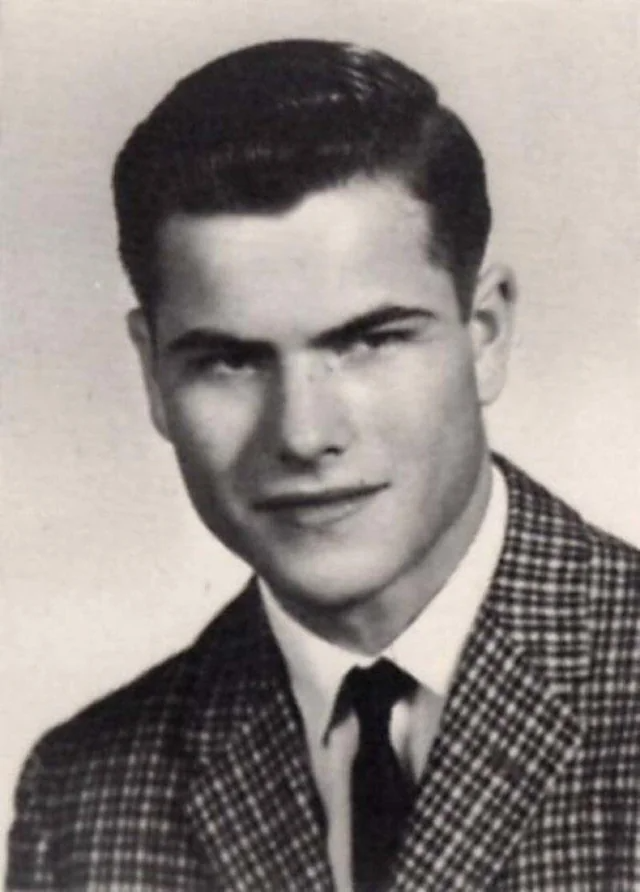
After graduating from high school, Dennis Rader attended college before serving in the United States Air Force from 1966 to 1970. He was stationed overseas during part of his military service. He returned to Kansas and resumed a normal life. In 1971, he married Paula Dietz. Together they eventually had two children. Rader held several jobs over the years, including a role at an outdoor supply company. Later, he became a compliance officer for Park City, Kansas, where he enforced local ordinances and animal control regulations. He was also active in his church, eventually serving as president of the church council. To many who knew him, he appeared dependable, disciplined, and deeply involved in his community.
Source: Who is BTK aka Dennis Rader? A look at the serial killer who terrorized Wichita, Kansas.
The Birth of the BTK Killer
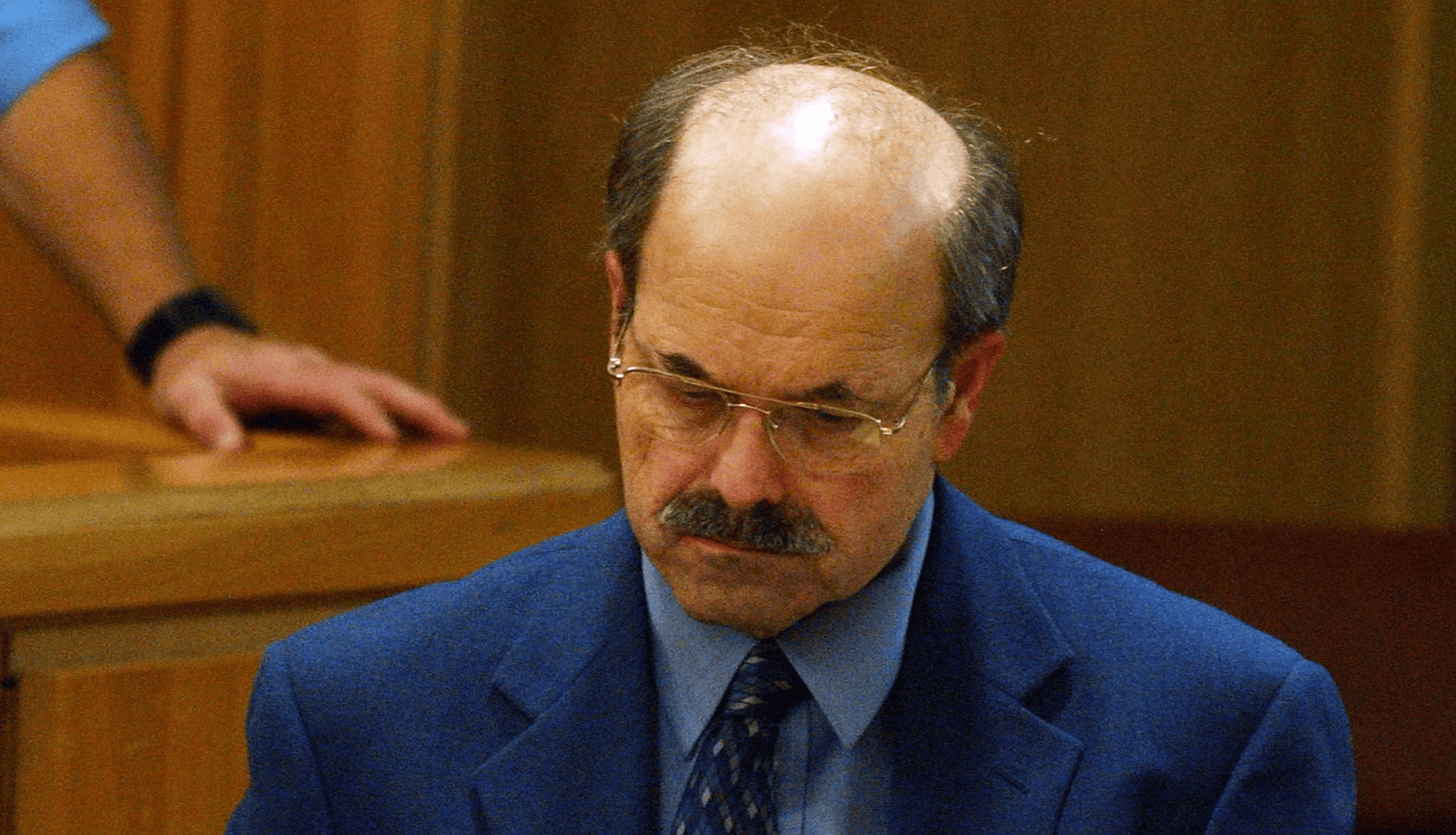
By the early 1970s, Rader’s violent fantasies consumed him. He spent months planning attacks, observing potential victims, and imagining crimes long before carrying them out. He referred to these fantasies as “projects,” treating them with chilling detachment. He often approached homes by pretending to have a legitimate reason for being there or by entering when he believed the occupants were vulnerable. Once inside, he would quickly overpower his victims, restrain them, and maintain control through intimidation. His crimes were driven by a desire for domination rather than theft or personal revenge. His known victims were:
The Otero Family (January 15, 1974) :
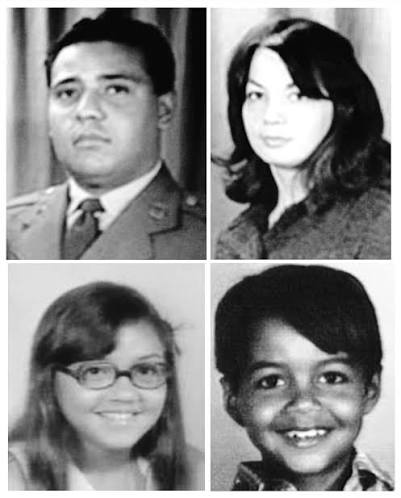
On the morning of January 15, 1974, Dennis Rader entered the home of Joseph Otero (38), his wife Julie Otero (33), and their children Joseph Jr. (9) and Josephine (11). He had been watching the family and initially expected only Julie and the children to be home. Instead, Joseph Otero was also present, forcing Rader to change his plans. After intimidating them, he cut the phone lines, held the family at gunpoint, and bound their hands. He later strangled Joseph, Julie, and their 9-year-old son Joey before hanging their 11-year-old daughter Josephine in the basement.
Kathryn Bright (April 4, 1974):
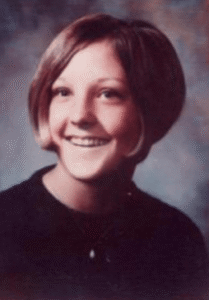
Less than three months later, Rader targeted Kathryn Bright, a 21-year-old woman living in Wichita. He named this plan as “Project Lights Out.” Rader had watched her home beforehand and believed she lived alone. However, her brother, Kevin Bright, unexpectedly returned during the attack. Rader forced Kevin to tie Kathryn up and then bound Kevin in a separate room. Somehow, Kevin managed to break free and attacked Rader, but he shot Kevin in the head. Kevin was still alive while Kathryn tried to fight back. Rader overpowered Kathryn and repeatedly stabbed her. Luckily, Kevin survived, but Kathryn succumbed to her injuries after being taken to the hospital.
Shirley Vian (March 17, 1977):
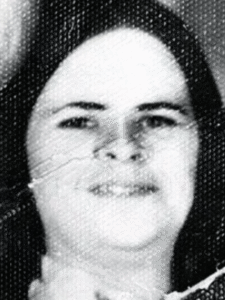
After nearly 3 years of silence, BTK struck again. His next victim was Shirley Vian, a 24-year-old mother. Rader entered her residence after determining she was vulnerable. In the same way, he held Vian at gunpoint and ordered her to lock her three young children in the bathroom. He stripped her and bound her hands behind her back. After taping her hands, he placed a plastic bag over her head and strangled her with a rope. Rader named this killing as “Project Green”. The most heart-wrenching fact is that one of her young sons was looking through the bathroom keyhole and saw his mother face down with the bag and rope around her neck. Rader shamelessly took Polaroid photos of his victim later.
Nancy Fox (December 8, 1977):
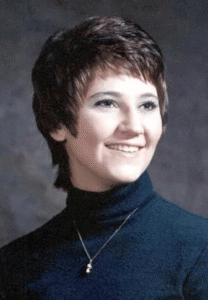
Later that same year, Rader targeted Nancy Fox, a 25-year-old woman living alone. On December 8, 1977, Dennis Rader stalked Nancy. He cut her phone lines and waited inside her Wichita home. After she returned, he bound her and strangled her with a belt. After killing her, he called the police to report the exact location of the body. Rader referred to the crime as “Project Foxhunt.” To taunt authorities and to ensure he received media attention, Rader sent a detailed sketch of the crime scene and one of Fox’s stolen identification cards to a local TV station.
Marine Hedge (April 27, 1985)

Dennis’s next target was Marine Hedge, who lived just a few houses away. He named this murder as “Project Cookie” to experiment with whether he could murder a neighbor and get away with it. According to the reports, Rader faked a headache to leave a Cub Scouts outing early and drove all the way to a bowling alley. He also faked a call pretending to be drunk to emergency services. He took a taxi to drop him off near Hedge’s house.
After reaching her house, he broke in and cut all the phone lines. When Hedge returned, he attacked her and used ropes and cords to bind her wrists and ankles. Later, he used the same equipment to strangle her to death. After the murder, he took her body to his church (Christ Lutheran Church). Rader then stripped her naked and photographed her in various b*ndage positions to satisfy his fantasies. Her body was later found in a remote ditch, 8 days later.
Vicki Wegerle (September 16, 1986)
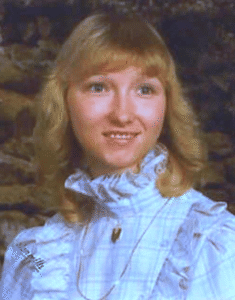
Vicki Wegerle, 28, was killed inside her Wichita home. He named this plan as “Project Piano” because he stalked her and heard her playing the piano before. Rader came to her place wearing a uniform, posing as a telephone repairman. After entering, he pulled a gun on her. She fought for her life, but sadly rader overpowered her and strangled her with a nylon stocking. She was left with DNA evidence under her fingernails. Thinking she was dead, he stole her driver’s license and left the house. In 2004, Rader sent a letter to The Wichita Eagle containing her driver’s license and photographs of her body.
Dolores Davis (January 19, 1991)

Dolores Davis, 62, was Rader’s final known victim. She was taken from her home near Park City, Kansas, and later found elsewhere. This murder happened nearly 17 years after Rader’s first known killings. According to the reports, Rader threw a concrete block through her glass door and entered her bedroom. Then, he handcuffed her, bound her with a pantyhose, and choked her to death. He later dumped her body under a bridge.
How BTK Killer was Finally Caught
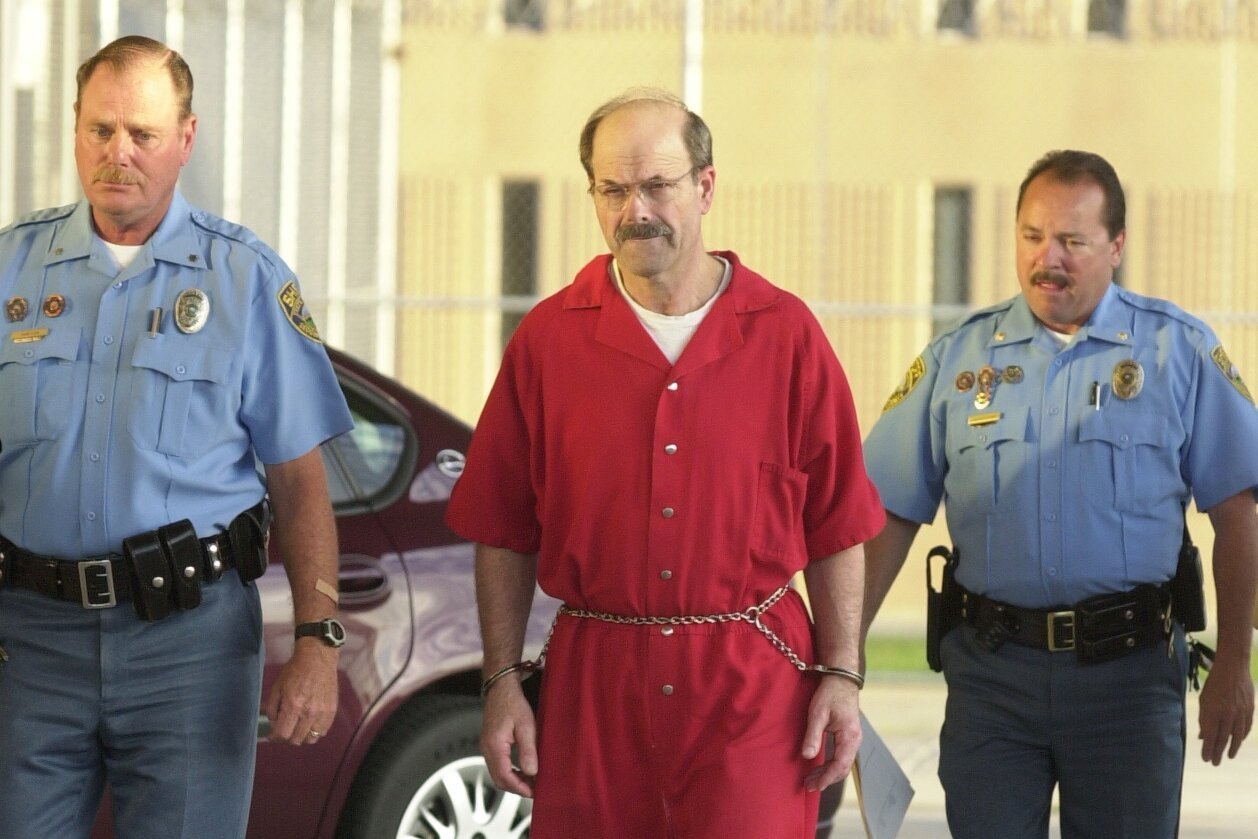
Dennis Rader had avoided identification for decades, but his desire for recognition ultimately brought investigators back to him. He had returned to the spotlight believing he could still control the investigation through his games. Instead, one piece of outdated technology, a floppy disk, helped reveal his identity. In 2004, on the 30th anniversary of his first murders, media coverage of the unsolved case increased. In fear of being forgotten, Rader mailed investigators a letter asking a crucial question:
“Can I communicate with a floppy disk, and not be traced?”
Source: The Capture of Serial Killer Dennis Rader, BTK
Police gave him false assurance and responded to him through a newspaper advertisement, stating “it would be safe.” In February 2005, Rader mailed a 1.44 MB floppy disk to a local television station. Digital forensic experts examined the disk and recovered metadata that Rader believed he had deleted. The metadata revealed that the disk had recently been used by someone named “Dennis.” The data also revealed that it had been created on a computer registered to Christ Lutheran Church in Wichita. Following the evidence, investigators caught him, putting an end to this game. However, to make an arrest, investigators needed concrete evidence.
Because Rader’s DNA was not in law enforcement databases, investigators sought another way to compare genetic material. They obtained a court order for a Pap smear sample belonging to Rader’s adult daughter, stored at a medical clinic. By comparing her DNA to biological evidence preserved from one of the BTK crime scenes, forensic scientists concluded the killer was a close biological relative. Combined with the digital evidence and other investigative findings, police finally confronted Rader on February 25, 2005. Realizing the investigation had unraveled his identity, Rader eventually admitted “I guess people are going to know I’m BTK.”
During lengthy interviews, Rader confessed to all 10 murders, describing each crime in detail. He later pleaded guilty to all ten counts of first-degree murder. On August 18, 2005, Dennis Rader was sentenced to 10 consecutive life sentences. He remains imprisoned at the El Dorado Correctional Facility in Kansas.