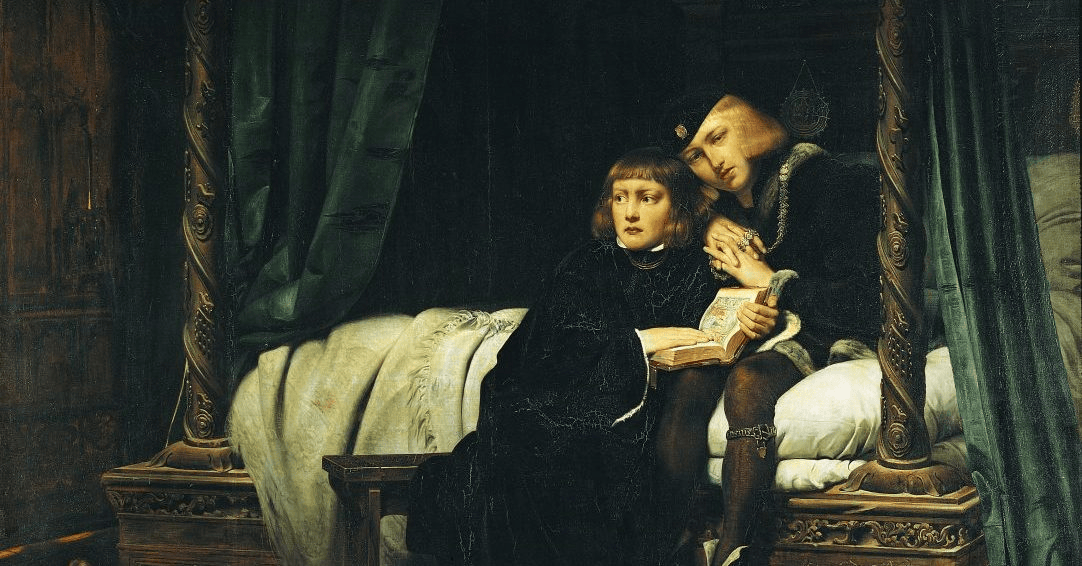
For centuries, the struggle for the English crown has been marked by shifting alliances, political intrigue, and ruthless contests for power. Yet among the many stories that emerged from the Wars of the Roses, few have remained as haunting as the disappearance of two young princes in the Tower who stood at the centre of England’s royal succession in 1483.
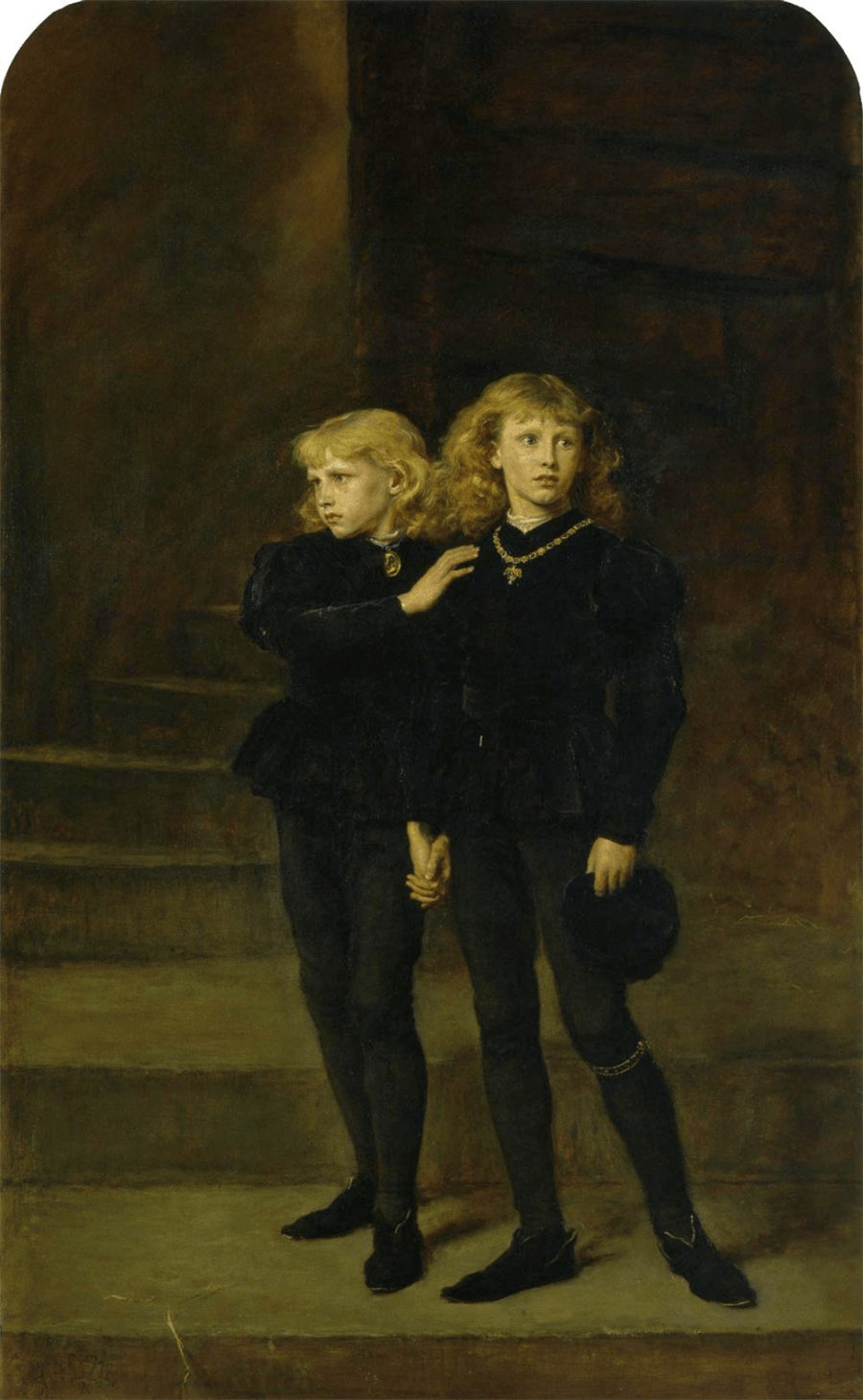
Edward V and his younger brother, Richard, Duke of York, were last seen inside the Tower of London after their uncle, Richard, Duke of Gloucester, assumed control of the kingdom. Their sudden disappearance gave rise to accusations of murder, competing theories, and centuries of historical debate. Their fate has inspired countless books, documentaries, and investigations, making the case one of history’s most enduring mysteries.
Auch lesen: The Lead Masks Case (1966): A Chilling Discovery on a Lonely Hill
Who Were the Princes in the Tower?
The “Princes in the Tower” refers to Edward V, aged 12, and his younger brother Richard of Shrewsbury, Duke of York, aged 9. They were the sons of King Edward IV of England and Elizabeth Woodville. Edward IV captured the Lancastrian king, Henry VI, in 1461 after his victory in the Wars of the Roses and imprisoned him in the Tower of London.
When King Edward IV died unexpectedly in 1483, the young Edward became England’s rightful king. However, as he was still a child, his uncle, Richard, Duke of Gloucester, was appointed as the Lord Protector until the coronation. Edward was brought to the Tower of London, a royal residence commonly used by monarchs before their coronation. His younger brother later joined him.
A Sudden Shift in Power
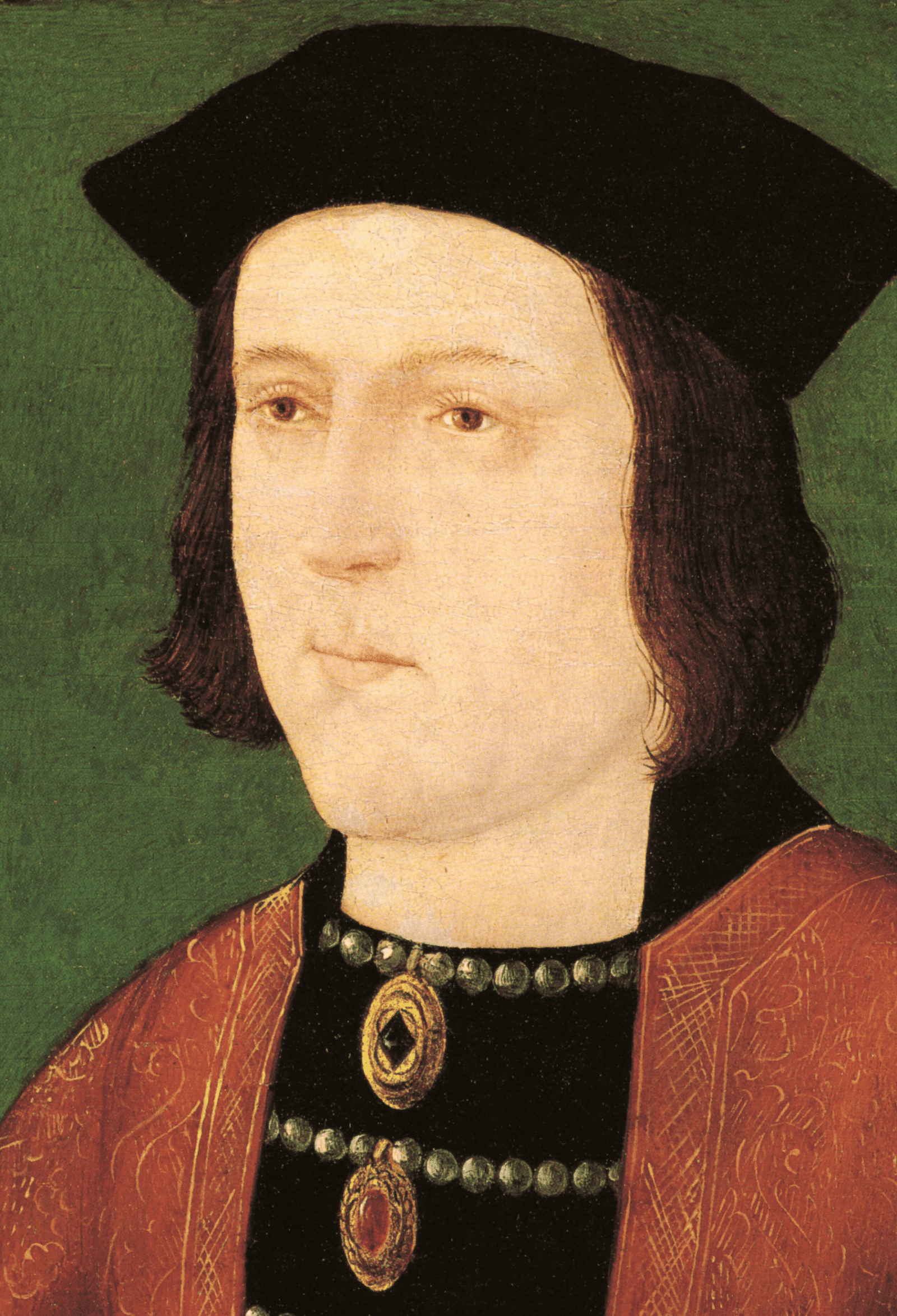
Political tensions quickly escalated after Edward IV’s death in April of 1483. Richard began a campaign questioning the Prince’s legitimacy and claimed that his late brother’s marriage to Elizabeth Woodville had been invalid, owing to its secrecy. Edward IV also had an alleged signed marriage contract with Lady Eleanor Talbot before the marriage to Elizabeth Woodville.
Parliament later passed the Titulus Regius (Royal Title), declaring Richard the lawful heir to the throne. He was crowned King Richard III in July 1483. As Richard assumed the crown, the two princes were seen less frequently. By the end of the summer, reports of their public appearances had stopped entirely. Their unexplained disappearance soon became a source of concern throughout England.
Quelle: The enduring mystery of the Princes in the Tower
What Happened to the Princes?
No contemporary record definitively explains their fate, but several theories have emerged over the centuries.
Theory 1: Richard III Ordered Their Murder
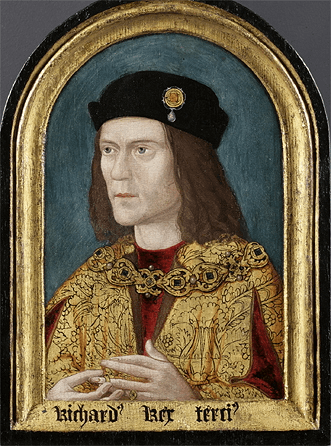
This remains the most widely known theory. Supporters argue that Richard had the strongest political motive. As long as the boys remained alive, they represented a legitimate claim to the English throne and could become rallying points for opposition. This theory relies heavily on Sir Thomas More’s early 16th‑century account, which claims Richard instructed his servant Sir James Tyrell to organise the killings using two men, Miles Forest and John Dighton.
Modern research by Professor Tim Thornton has strengthened the credibility of More’s narrative by showing that Forest’s sons were known at Henry VIII’s court, indicating More’s alleged killers were real individuals in his social circle rather than invented names. Recent studies therefore argue there is now “substantial grounds” for treating More’s description of a murder commissioned by Richard III as historically plausible, though still not conclusive proof.
Source: New study strengthens claims Richard III murdered ‘the Princes in the Tower
Theory 2: Henry VII Was Responsible
Another theory points to Henry Tudor, who defeated Richard III at the Battle of Bosworth in 1485 and became King Henry VII. A major alternative theory suggests Henry VII was responsible for the princes’ deaths, but only after he defeated Richard III at Bosworth in 1485 and took the throne. Henry systematically executed or imprisoned rival Yorkist claimants in the years following his accession, and the princes, if still alive, would have threatened the legitimacy of his new dynasty. However, no surviving document or confession directly links Henry to a murder, leaving this theory circumstantial and dependent on reading his later policies as evidence of prior wrongdoing.
Theory 3: The Princes Escaped
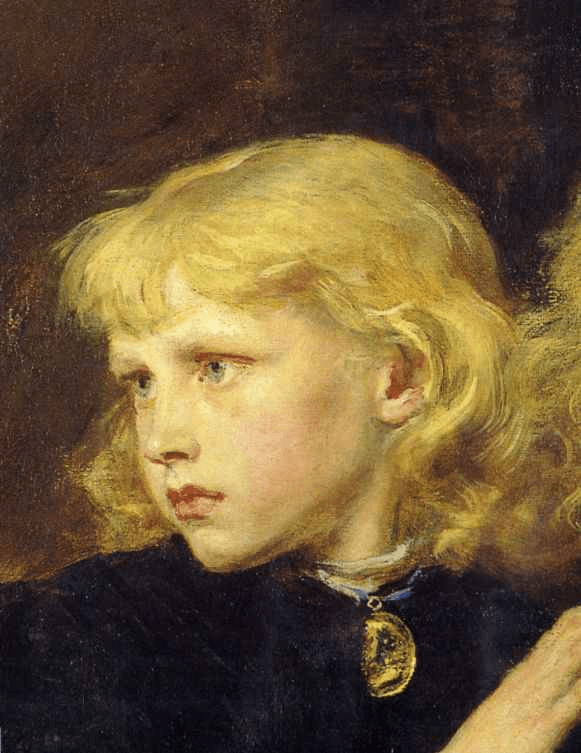
A smaller number of researchers believe that at least one of the boys may have survived. This theory gained attention because several individuals later claimed to be Richard, Duke of York. The most famous was Perkin Warbeck, who claimed that he was smuggled out of the Tower of London while his older brother, Edward V, was murdered. Modern historians generally reject his claim and still debate his true identity.
The Discovery of Two Skeletons
In 1674, workers renovating the Tower of London uncovered a wooden chest containing the skeletons of two children beneath a staircase. King Charles II ordered the remains to be placed in Westminster Abbey, where they remain today. Examinations conducted in the 20th century suggested the bones could belong to children of roughly the right ages, but the evidence was far from definitive. The remains have never undergone modern DNA testing, leaving their identities unconfirmed.
Final Thoughts
The mystery of the Princes in the Tower demonstrates how political ambition, limited historical records, and competing narratives can leave even the most significant events unresolved. Whether the brothers were murdered, secretly removed, or met another fate entirely, their disappearance continues to captivate historians and true crime enthusiasts alike.
Until new evidence emerges, the fate of Edward V and Richard, Duke of York, will remain one of the greatest unsolved historical crimes ever recorded.
Auch lesen: Der schockierende Diebstahl der Mona Lisa, der die Geschichte veränderte