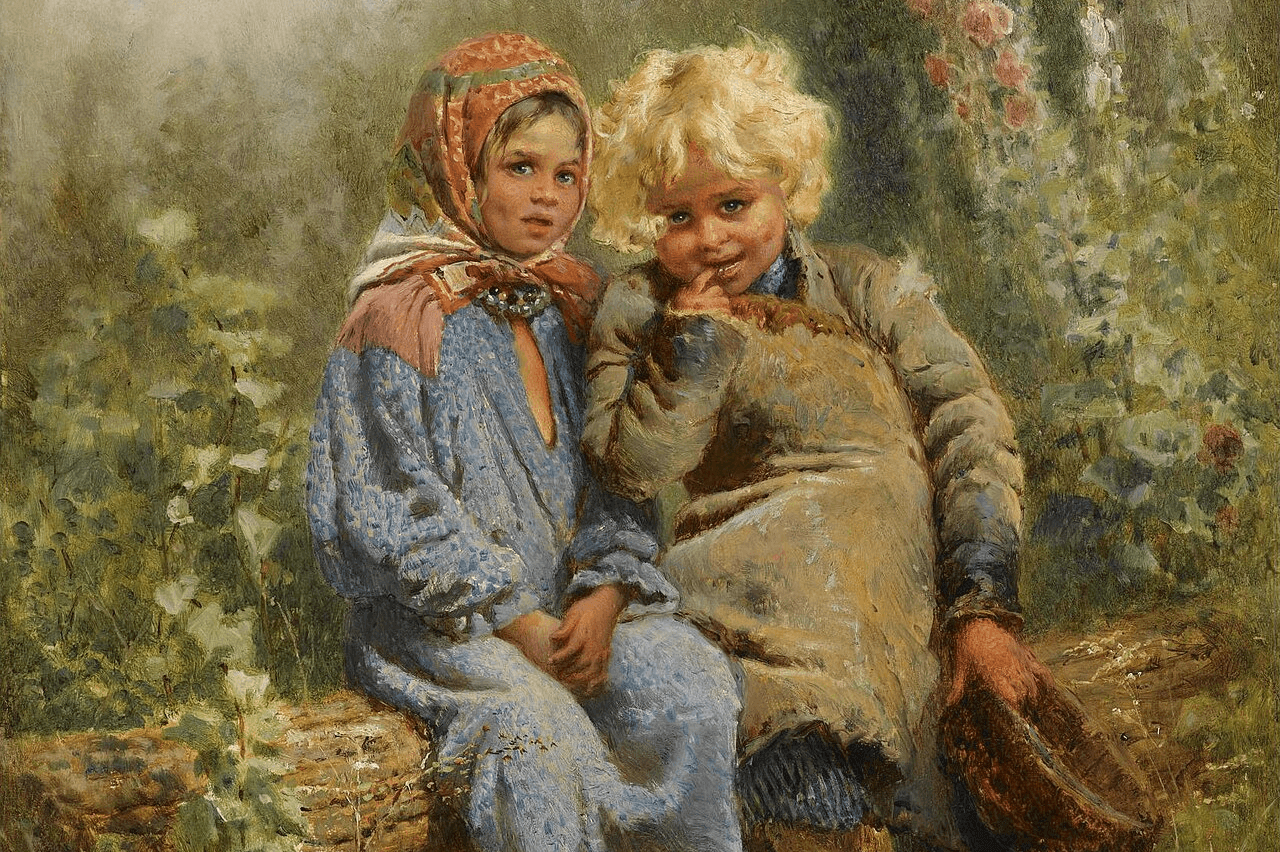
In the English village of Woolpit, Suffolk, a strange medieval tale has survived for centuries. The tale of two children who appeared unexpectedly near the village, speaking an unfamiliar language and having an unusual green tint to their skin. They were eventually taken in by local people, but their story became even stranger when they claimed to have come from a mysterious world.
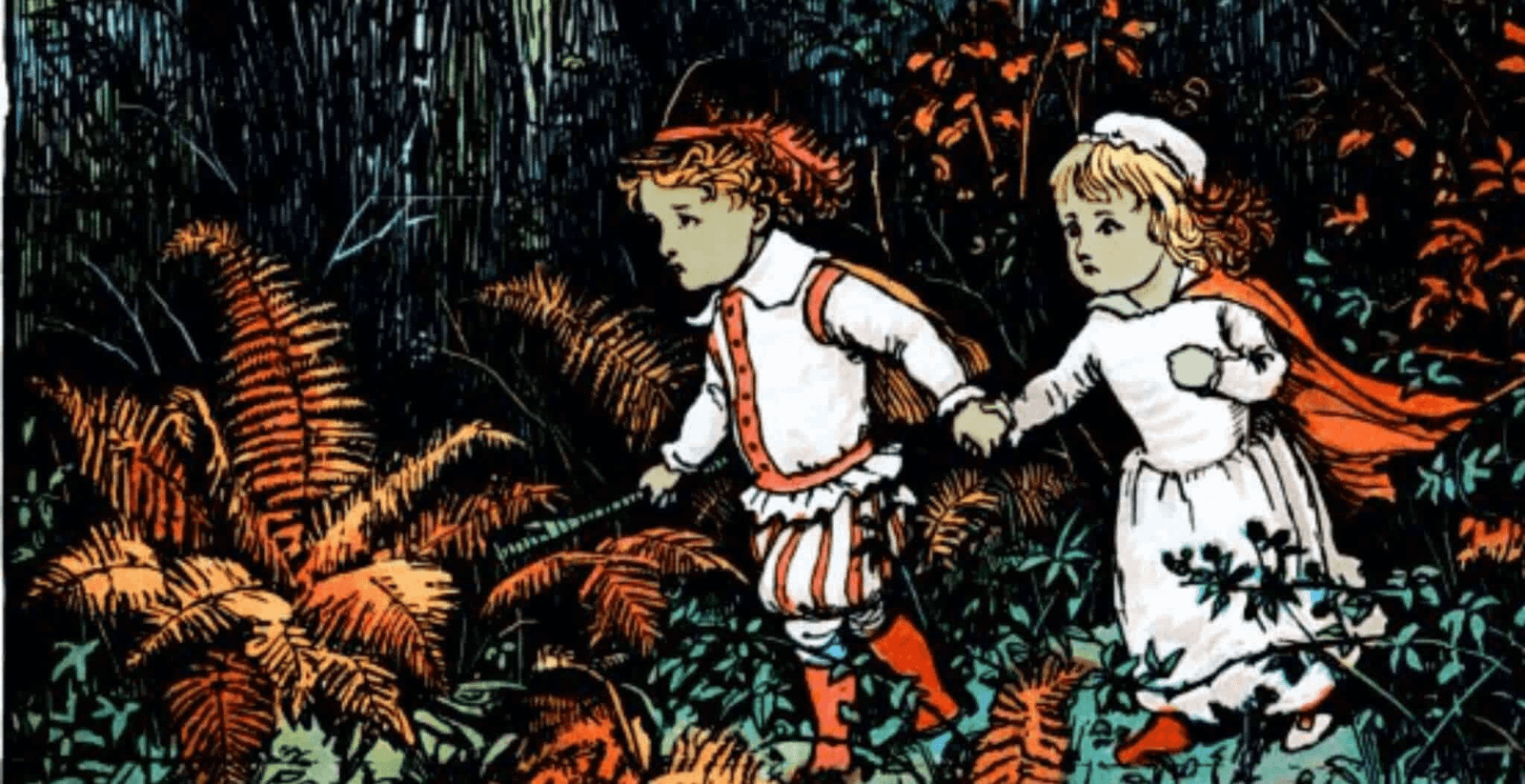
Known as the Green Children of Woolpit, the tale is one of the more unusual pieces of English folklore. Unlike many medieval legends involving monsters, saints, or supernatural creatures, this story centres on two apparently ordinary children whose origins were never satisfactorily explained.
Lesen Sie auch:The Tarasque: The Monster That Terrorized Medieval France
The Green Children of Woolpit
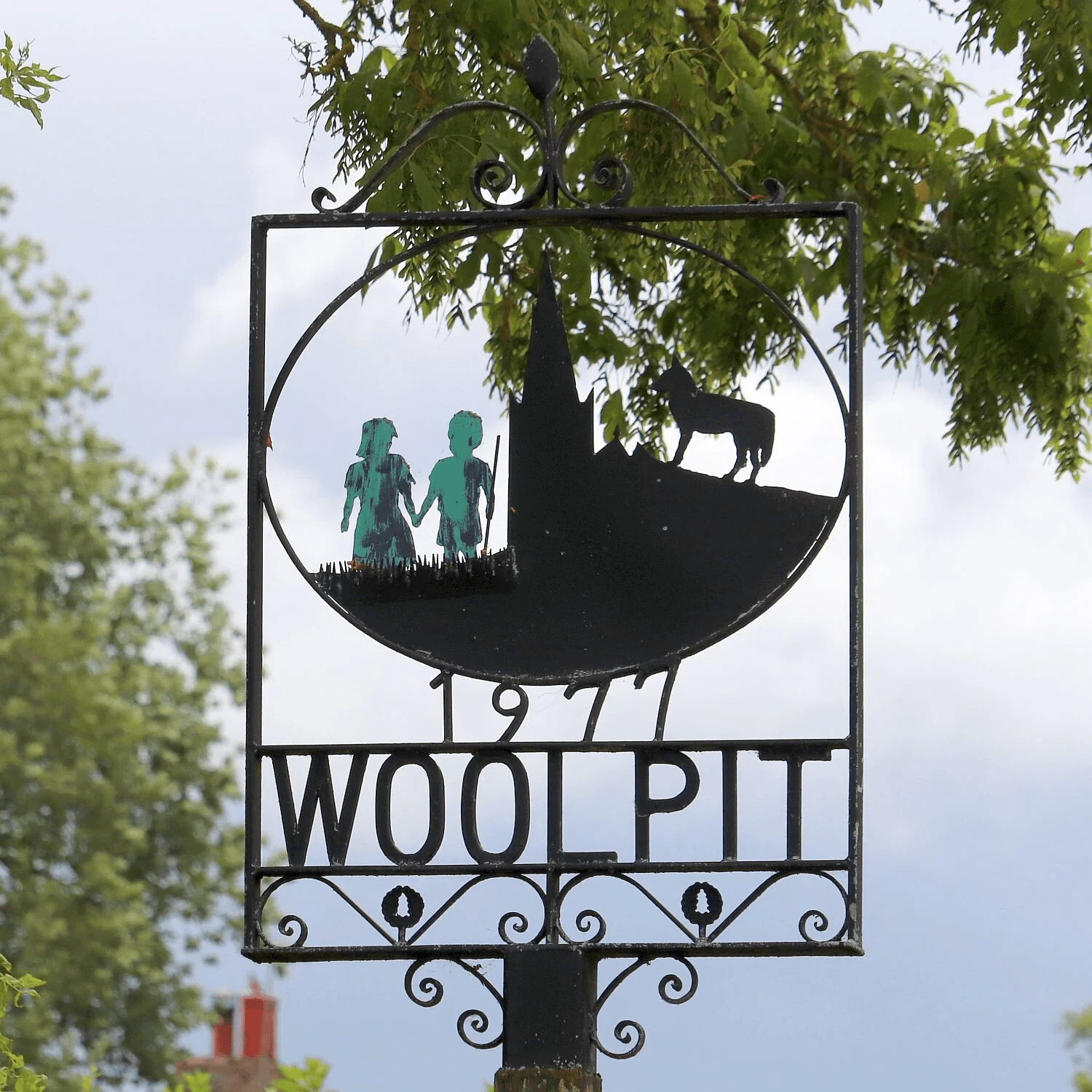
The story is generally placed in the 12th century, during the reign of King Stephen of England. The earliest written accounts are associated with two medieval writers: William of Newburgh and Ralph of Coggeshall. Their versions differ in some details, but both describe two children who were discovered near Woolpit.
Woolpit itself is a historic village in Suffolk, and its name is traditionally connected with pits used to trap wolves. It was in this rural setting that the unusual children supposedly appeared. According to the accounts, the children were discovered by local villagers near one of the wolf pits. They had distinctive green-colored skin and were dressed in clothing unlike that worn by the local population. Most strangely, they spoke a language that nobody around them could understand. The children were brought before local authorities and eventually taken into the household of Sir Richard de Calne, a landowner associated with the story.
Children Who Would Not Eat
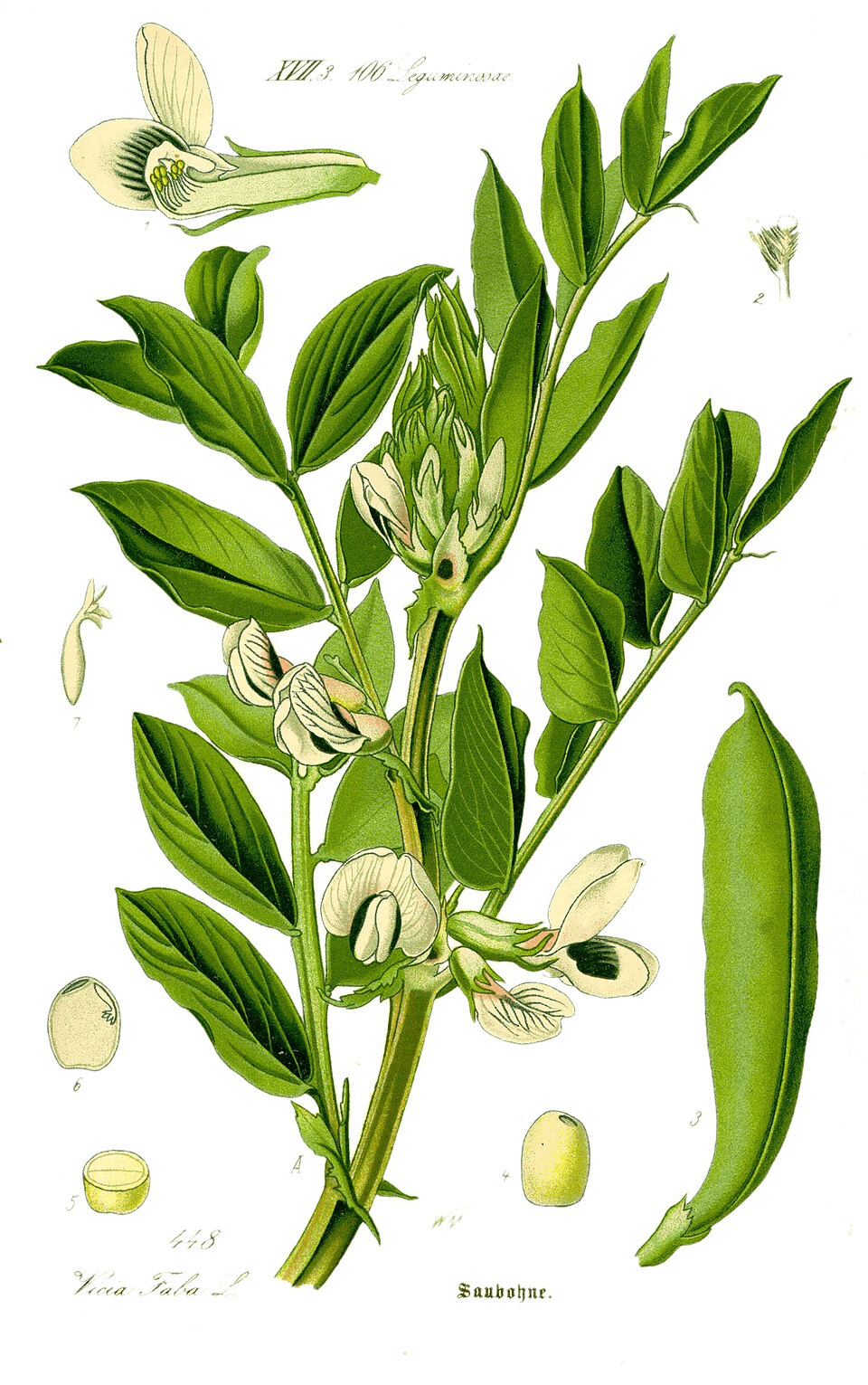
One of the first difficulties was food. The children reportedly refused almost everything they were offered. They seemed unfamiliar with ordinary food and could not communicate what they wanted. Eventually, they encountered green beans, which they recognised and were able to eat. For several months, it was the only food that they were willing to consume.
Over time, however, their behaviour supposedly changed as they became more accustomed to their new surroundings. They began eating other foods like bread, and the unusual green colouration of their skin gradually faded. The boy, however, did not live for very long. According to the medieval accounts, he became ill and died after being baptised. The girl survived and was eventually able to communicate in English. What she said about where she and the boy had come from turned the strange encounter into a lasting legend.
A World Without Sunlight
The girl reportedly claimed that she and her brother had come from a place called St. Martin’s Land. According to her explanation, the inhabitants of this place were similar to themselves, having a greenish appearance. She described a world where everything seemed to exist in a dim or twilight-like environment.
The girl also stated that she and her brother had been tending livestock in their father’s field when they came across something resembling a deep cavern. They had followed the sound of bells before finding their way into the new land. They entered it and eventually emerged somewhere unfamiliar, where they encountered the people who found them.
Quelle:The Green Children of Woolpit
What Happened to the Girl?
Unlike her brother, the girl reportedly adapted to life in England and became known as Agnes. She learned to speak English and was baptised. Later accounts claim that she entered the service of Sir Richard de Calne. According to some versions of the story, she eventually married a man from King’s Lynn. She was said to have retained certain unusual habits and to have been described as behaving in ways that were considered improper or strange according to medieval norms.
The girl was reportedly able to provide more information about her origins once she could communicate, but her explanation only raised further questions. There was no identifiable underground community matching her description, and no clear geographical location could be established for St Martin’s Land.
Theories Behind the Green Children
The unusual nature of the children has led to many different interpretations over the centuries. One explanation suggests the tale grew from a real incident involving Flemish children who became separated from their family. Their unfamiliar language, clothing, and appearance support this theory.
Another explanation focuses on the children’s green skin. Some writers have suggested that severe malnutrition or illness could have affected their appearance. One frequently proposed possibility is chlorosis, a historical term associated with Hypochromic Anemia, that was believed to cause a greenish complexion. The gradual loss of greenish hue from their body after their diet changed makes this a plausible theory. However, there is no way to establish that this condition was responsible for the children described in the medieval accounts.
Other interpretations are considerably more imaginative. Some have suggested that St Martin’s Land was a distorted memory of another nearby settlement, while others have treated the story as evidence of a supernatural or entirely separate world. There is, however, no reliable evidence that the children actually came from an extraterrestrial world.
Quelle:Who Were the Green Children of Woolpit? A New Look at a Medieval Mystery
Folklore or Historical Event?
The Green Children of Woolpit occupy an unusual space between history and folklore. The story was written down by medieval authors who treated the children’s arrival as an unusual event rather than simply presenting it as a fairy tale. At the same time, the most extraordinary elements like the green skin, an unknown land and a mysterious underground passage make it difficult to separate a possible historical incident from the folklore that developed around it. The accounts were also written years after the supposed event, meaning that the story had already existed as an oral tradition before reaching written form. That distance makes the Green Children particularly difficult to investigate.
The legend has survived because it combines several elements that make medieval folklore especially compelling. An unexplained arrival, unfamiliar customs, an unknown language and a mysterious place that cannot be located. Yet the story does not need a supernatural explanation to remain fascinating. If the children were based on real people, their experience may have involved displacement, illness, language barriers and a society they could barely understand. Centuries later, the Green Children of Woolpit remain one of Suffolk’s most recognisable legends. Their story sits somewhere between recorded history and folklore, leaving the central question unanswered. Who were the two strange children who appeared in Woolpit, and where did they really come from?
Lesen Sie auch:The Versailles Time Slip: Did 2 Women Witness the Past?